
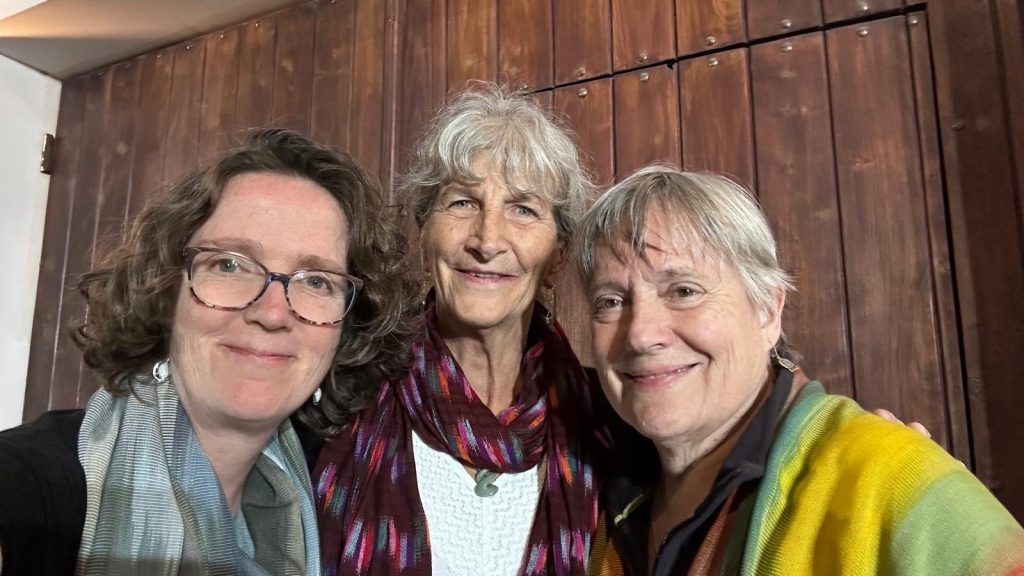
On March 6, 2026, Canadian teammates, Annette Borkent, Ruth Brighouse, and Birte Paschen, set off for Guatemala for the 24th year of the Safe Motherhood Project supported by Rose Charities Canada.
This year, we again joined the professional midwives that we had met last year, Elsa Chutá Gabriel, Juliana Tzoc Pretzantín, Carolina Menchú, and Gloria Marina Ac Cacao, to teach in the Department of Suchitepequez located on the Pacific Coastal Plain of Guatemala. The climate was hot and humid. Temperatures were about 30-32C with a humidity of 80-90%.
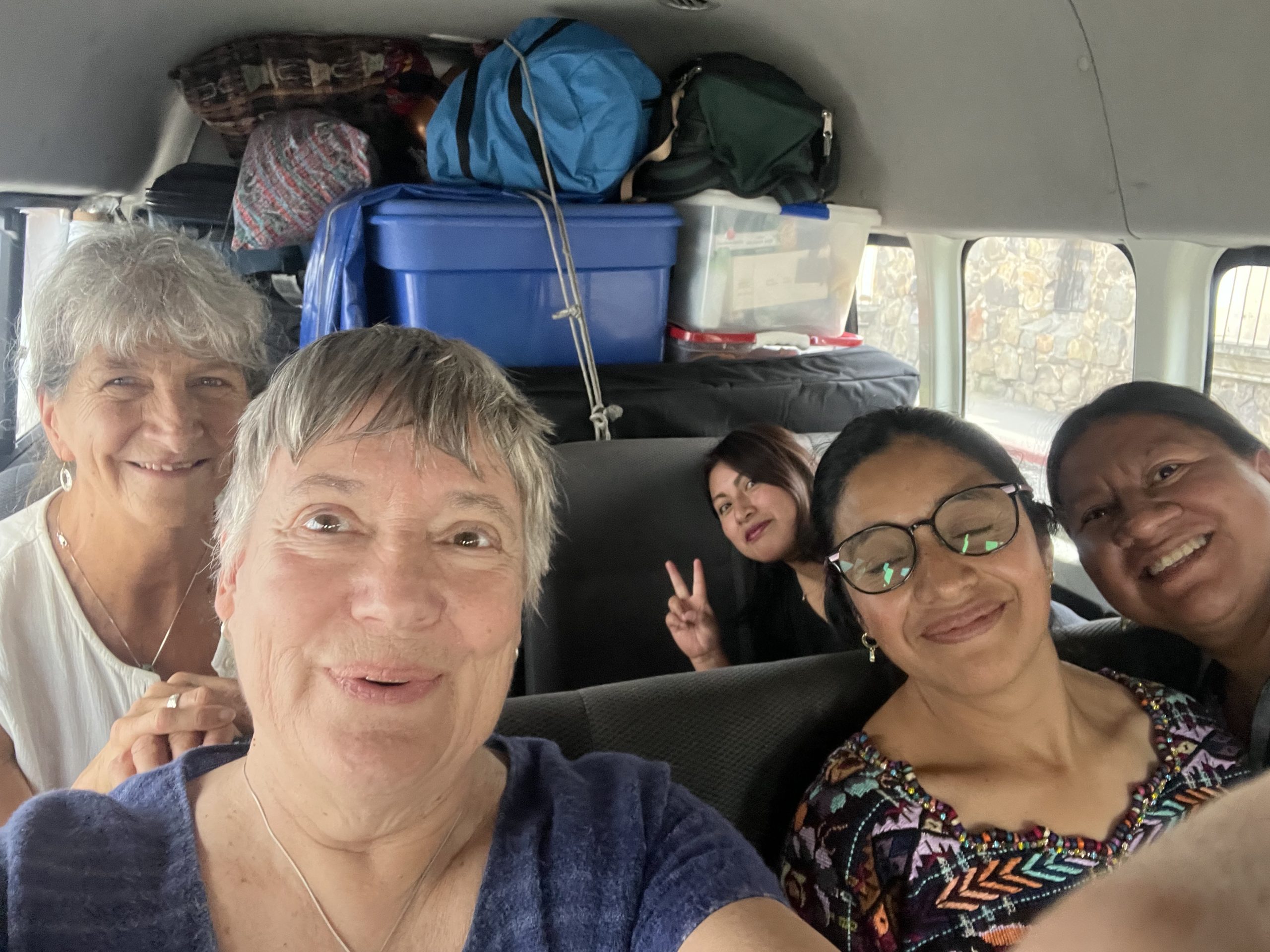
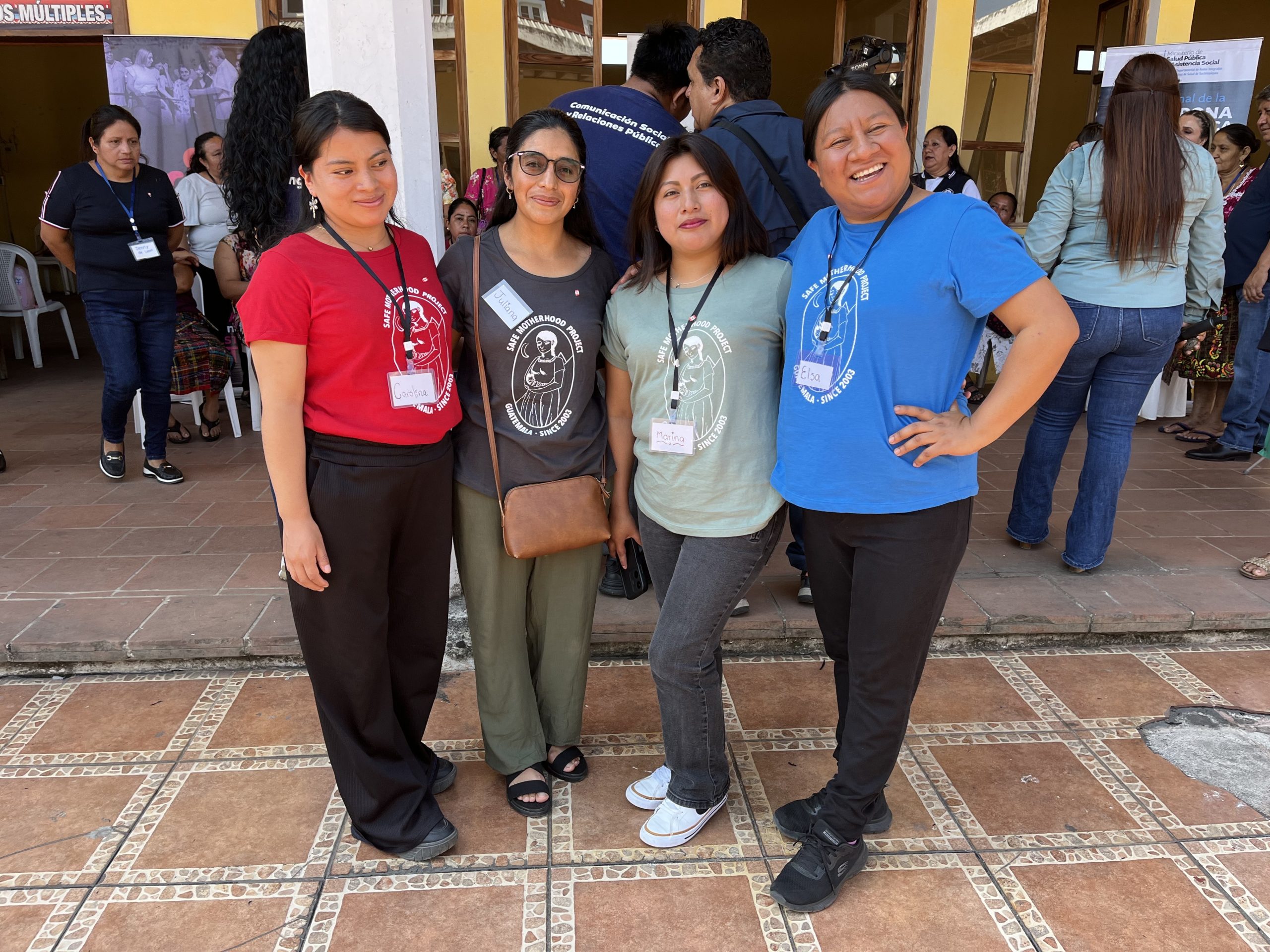
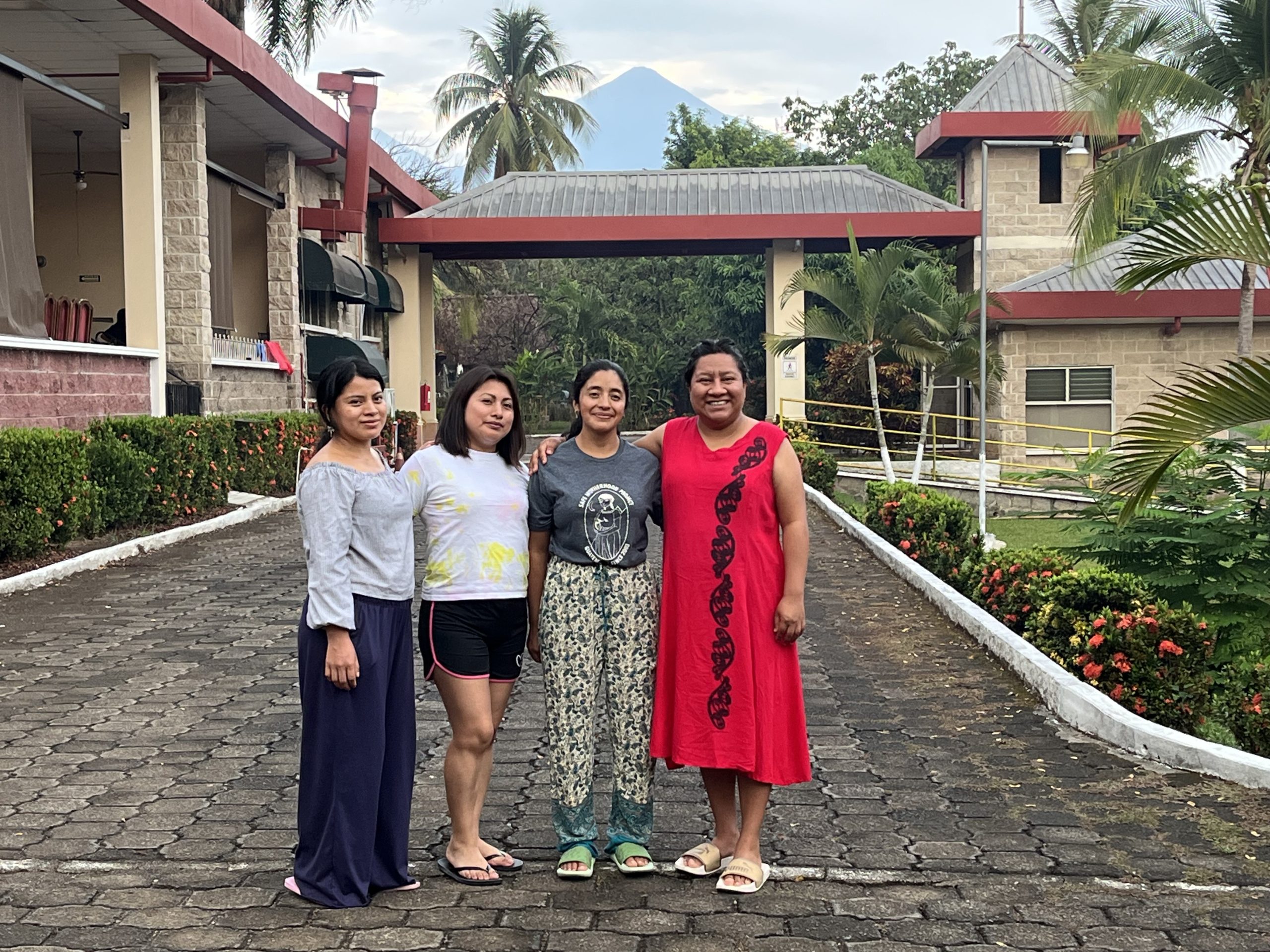
The professional midwives organized themselves to teach our curriculum on safe home birth practices and the management of obstetrical emergencies. We only interjected when needed. They proved to be excellent teachers with good knowledge and skills. Each midwife would assume responsibility for a day’s lessons with the rest of us helping when needed. These capable women found ways to make our course more engaging and fun. They made useful modifications to the course. We were delighted.
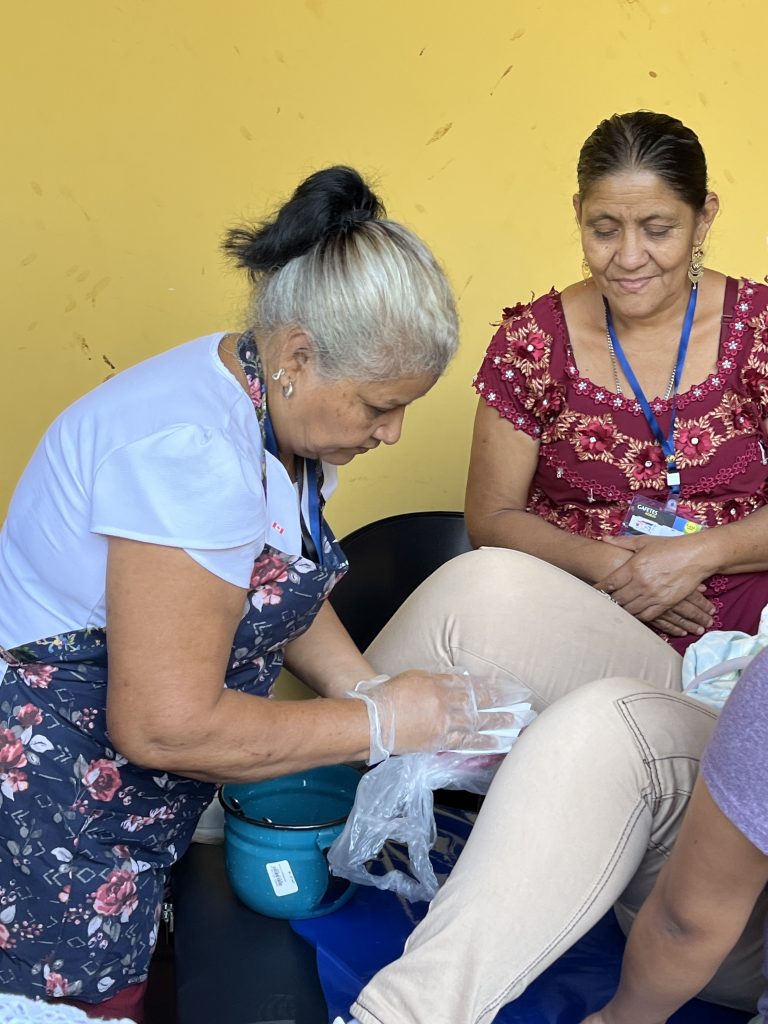
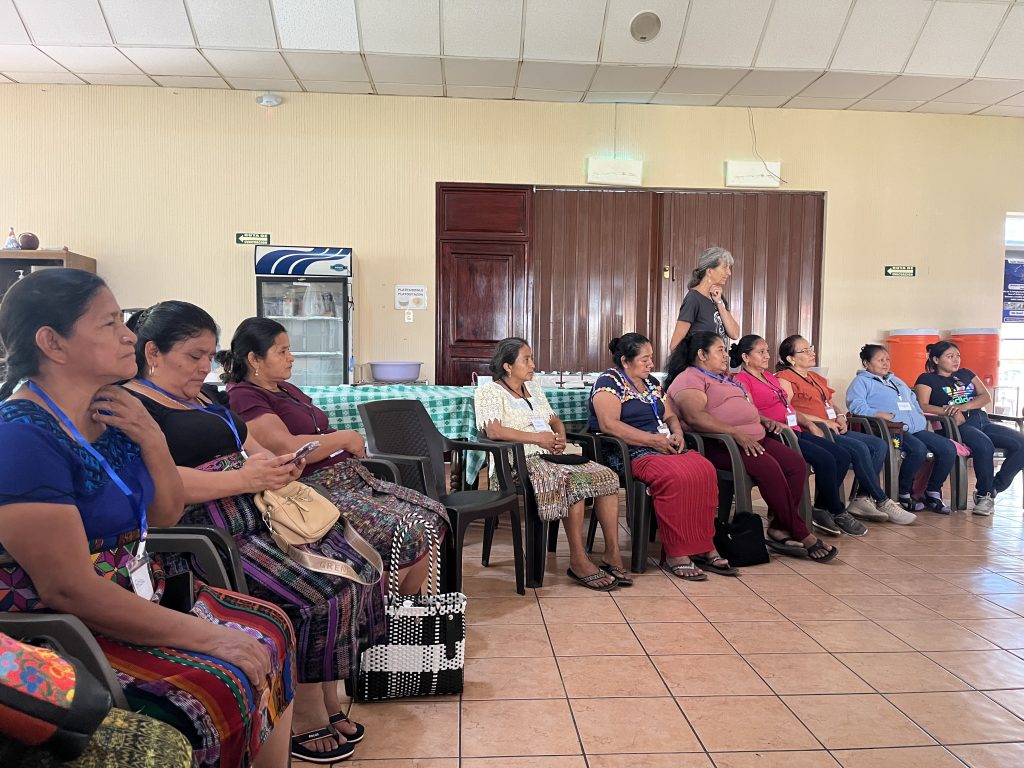
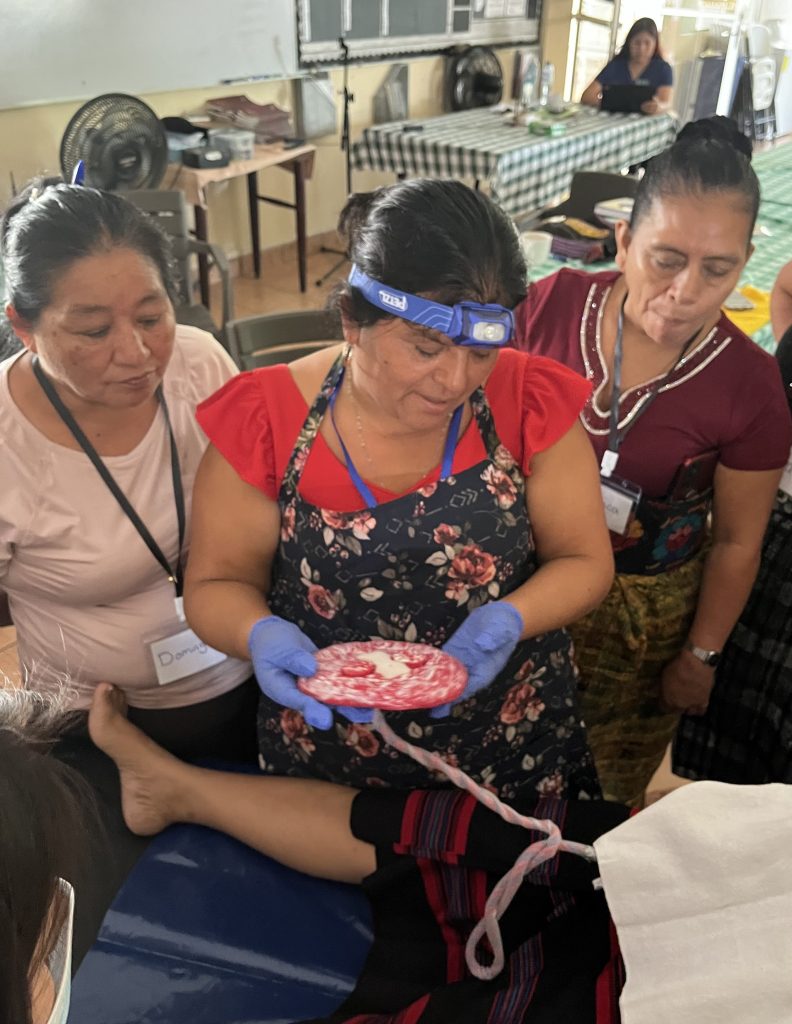
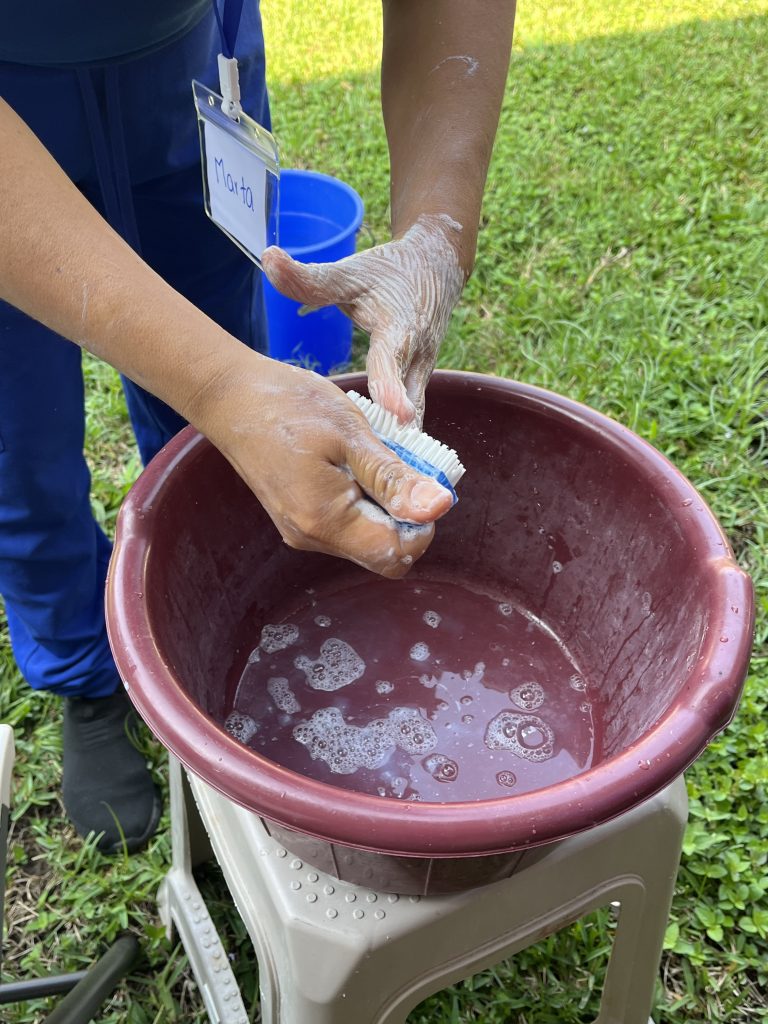
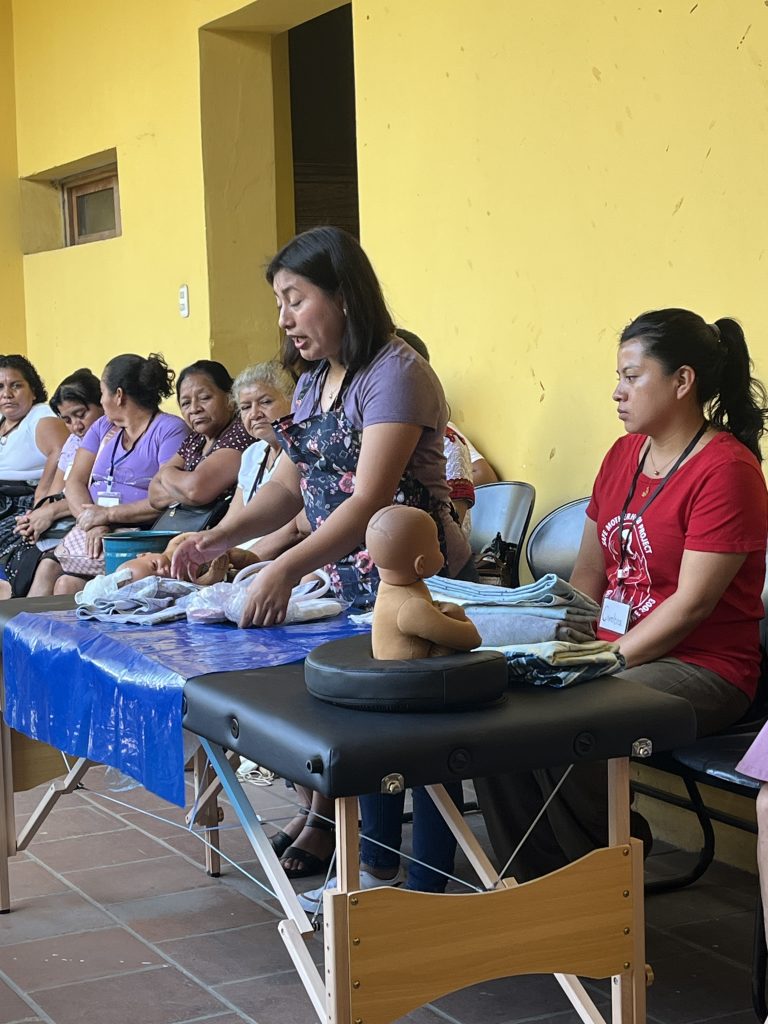
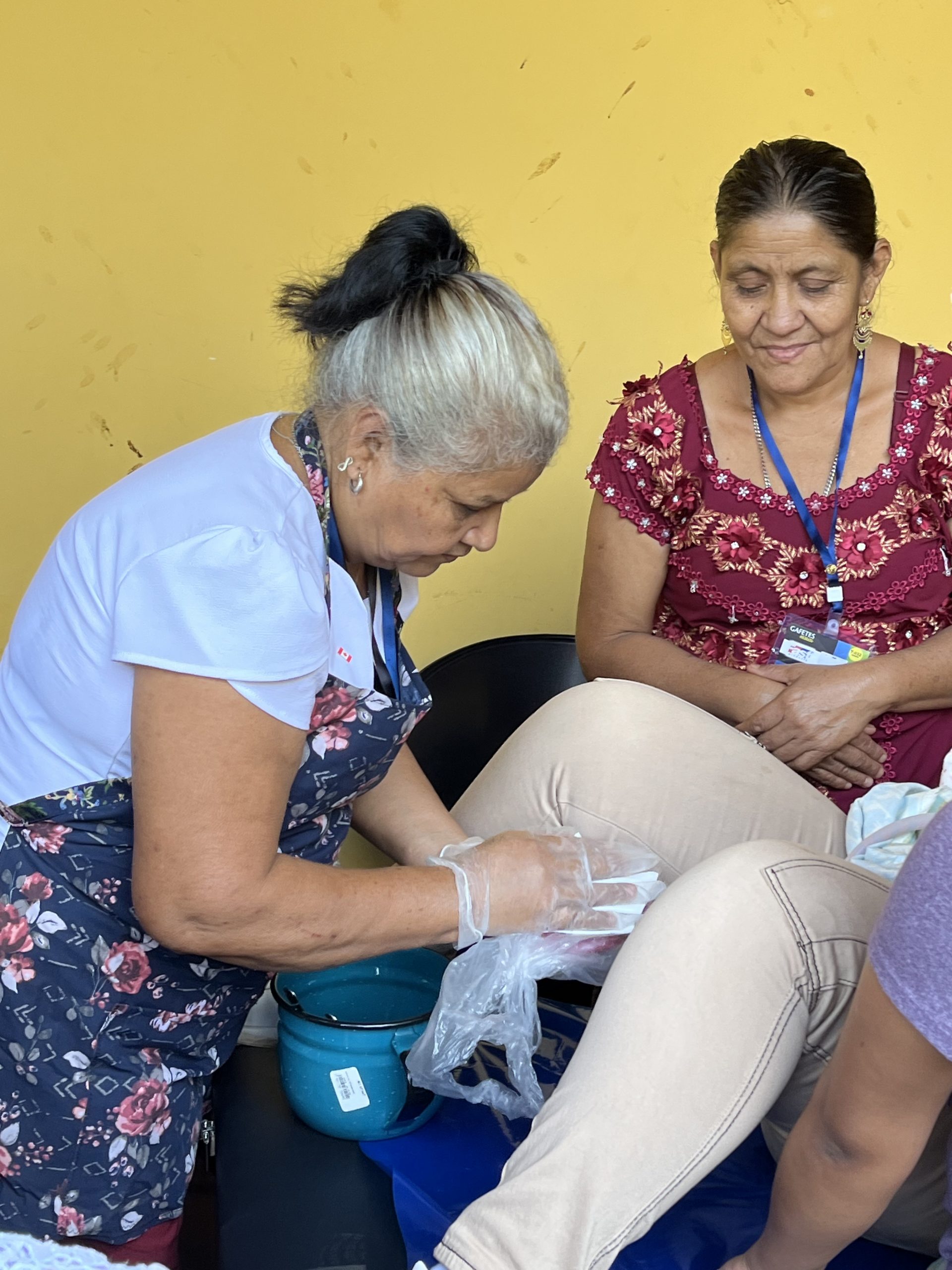
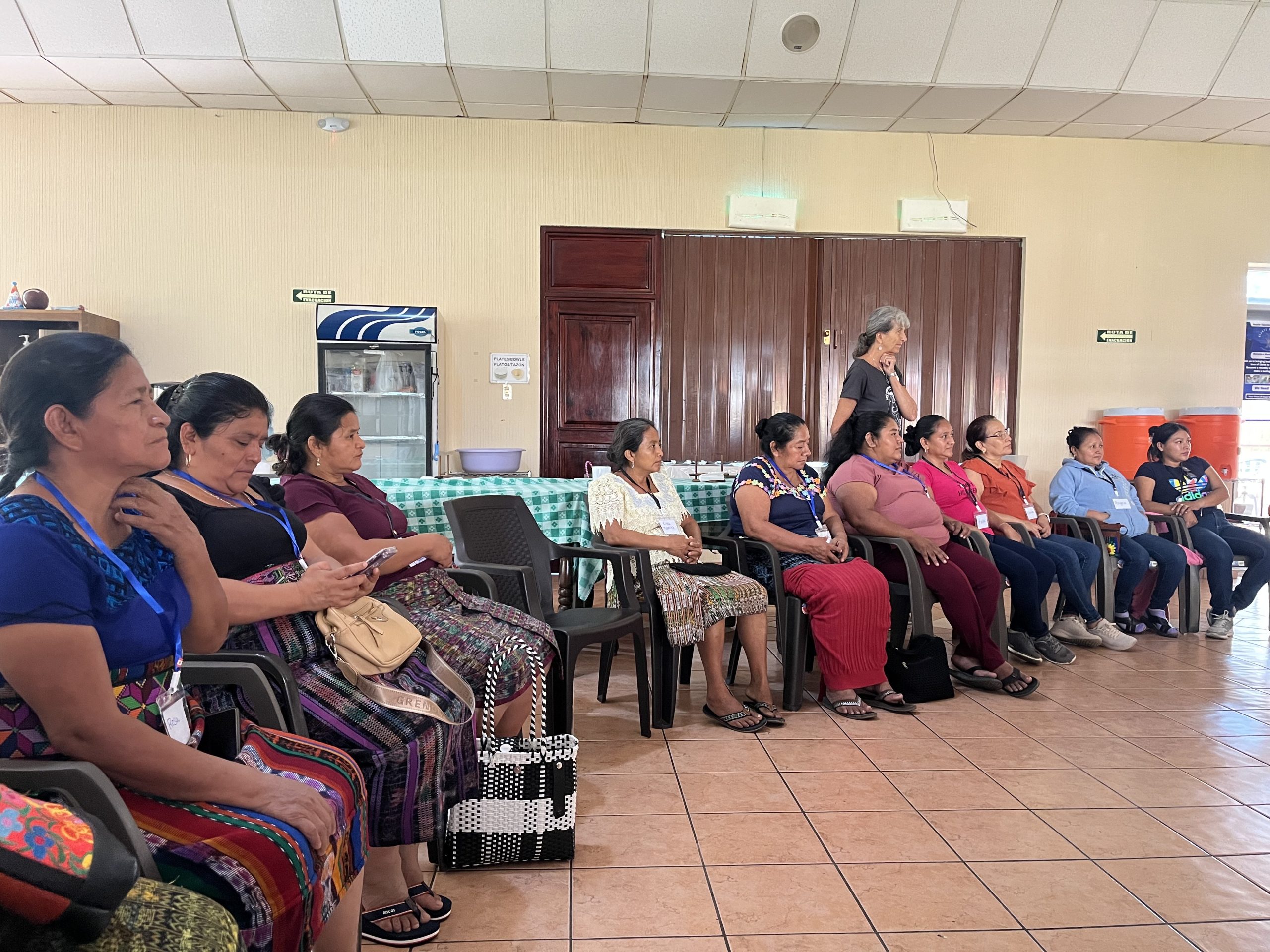
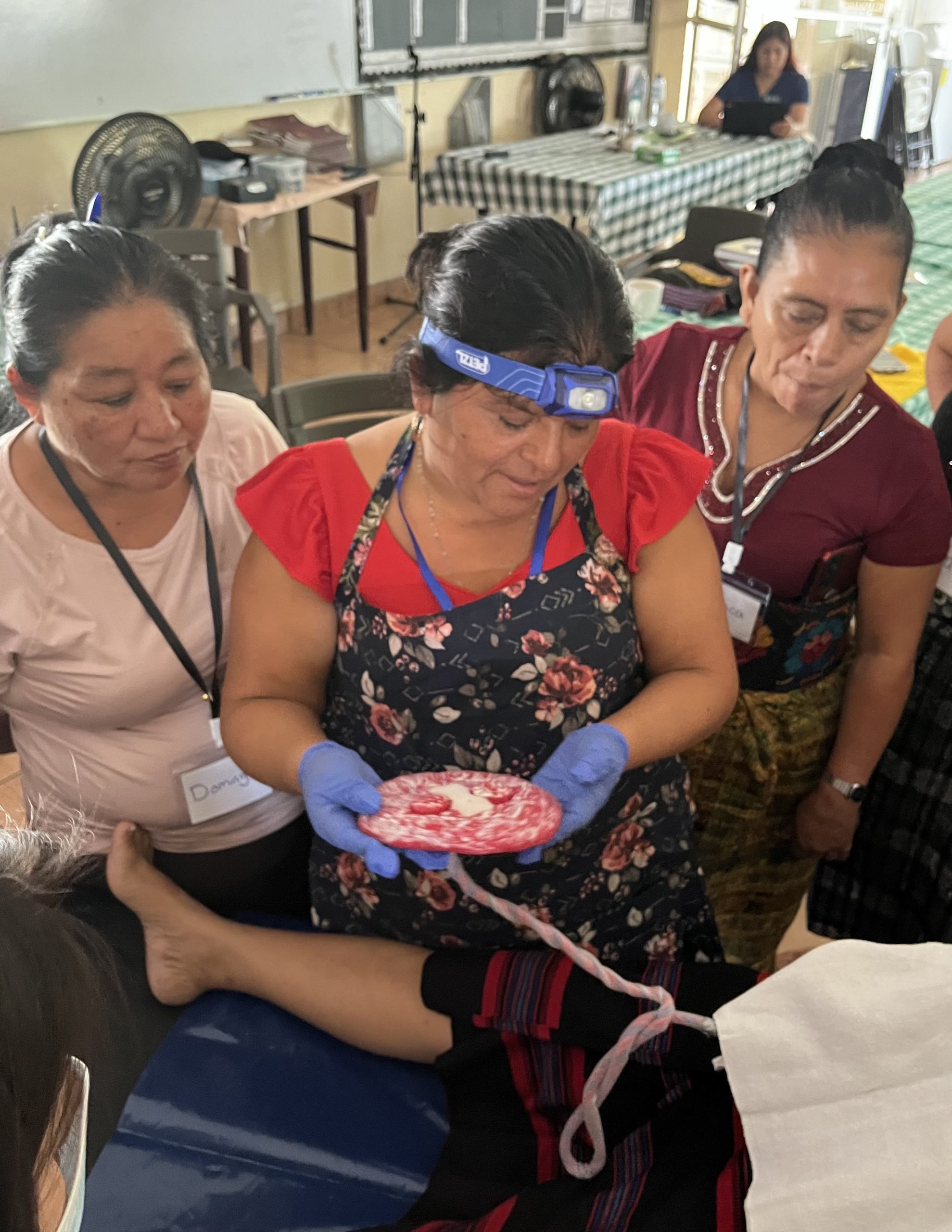
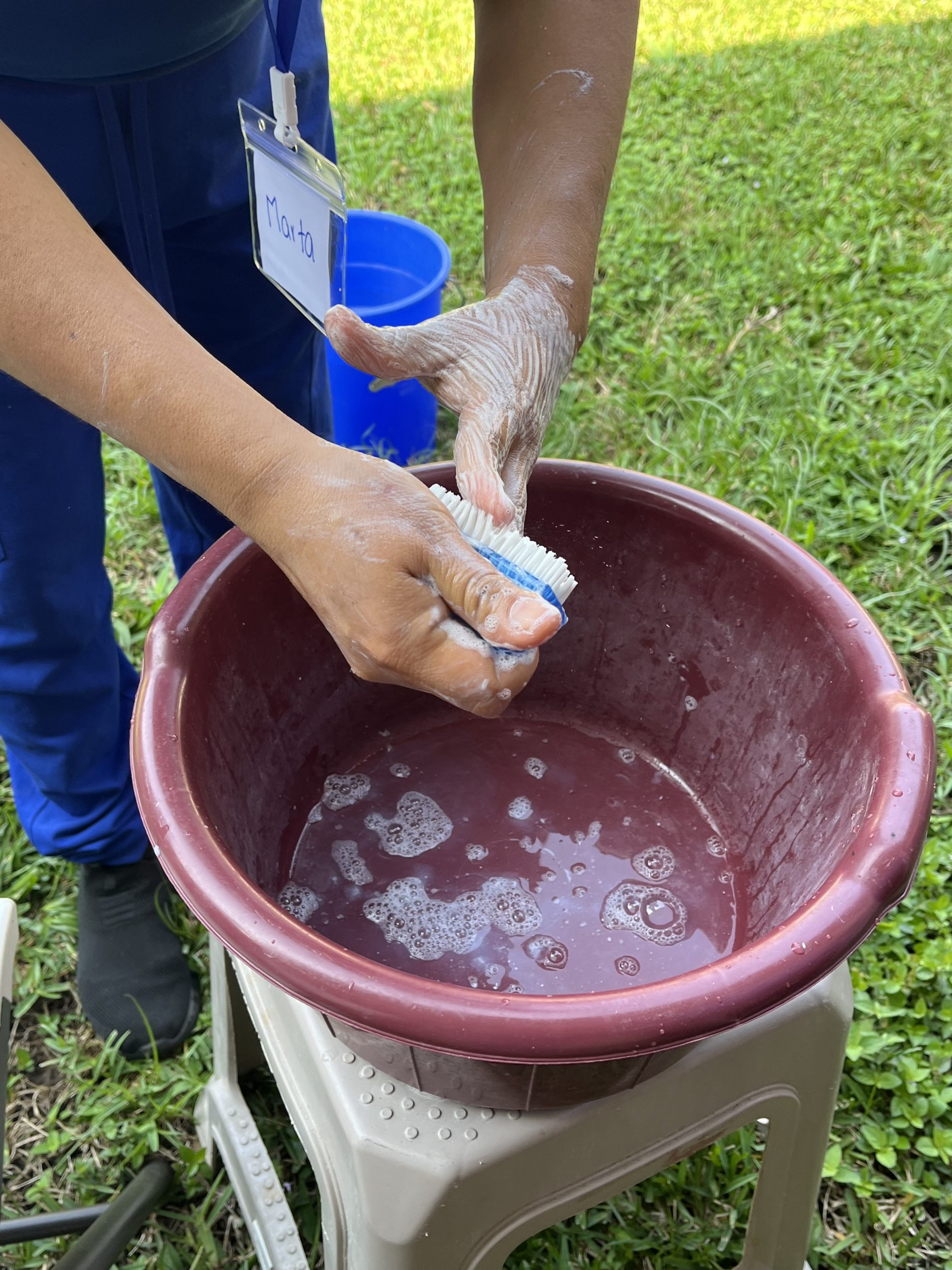
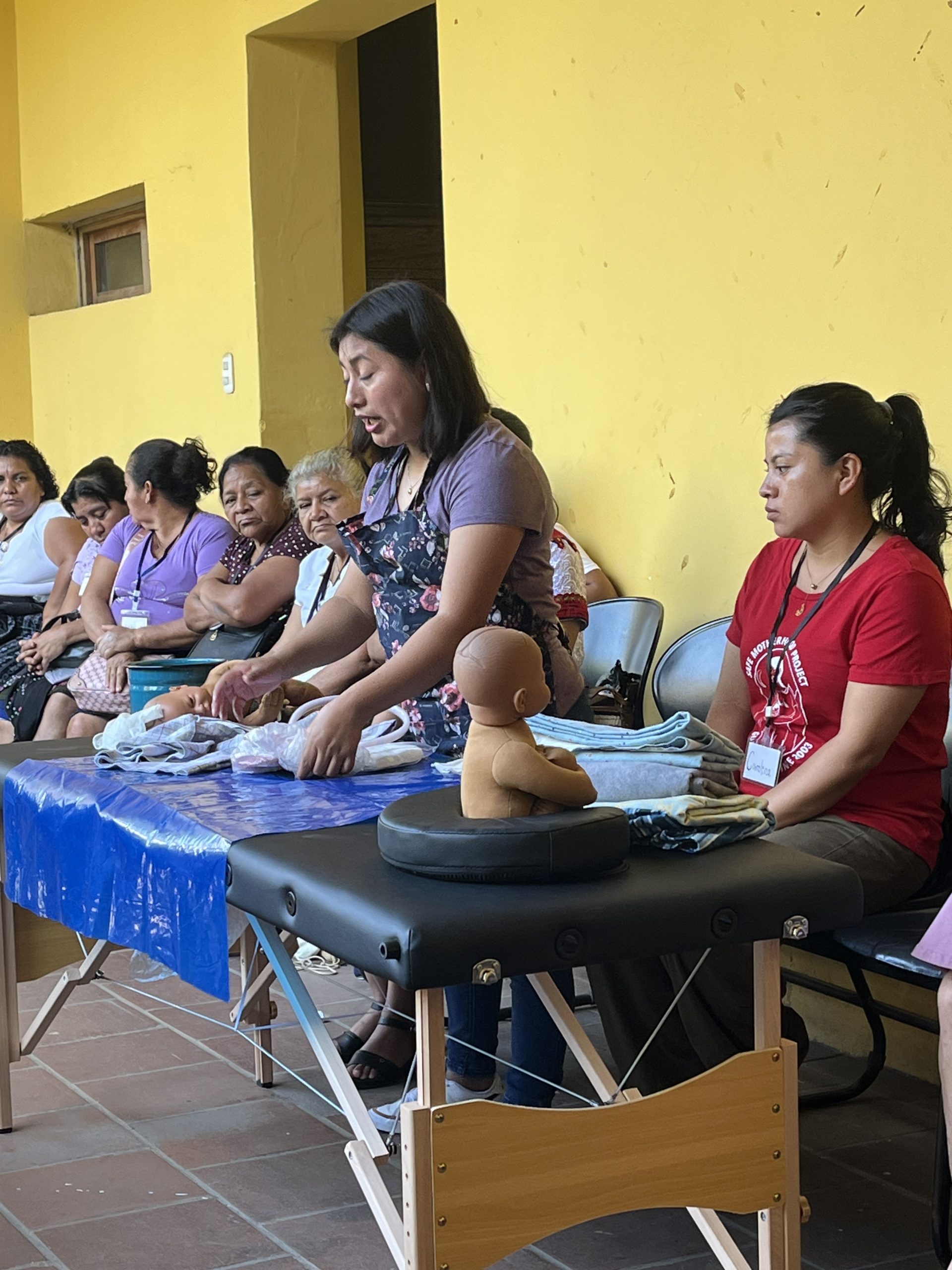
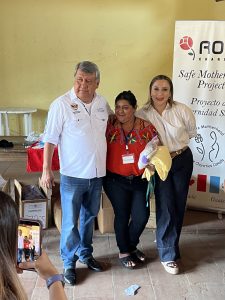
During our first week, 29 comadronas (traditional Mayan midwives) attended our course at the municipal offices in Mazatenango, the capital city of Suchitepaquez. Financial and physical support was provided by the Mayor and the Municipal Women’s Office.
Accordingly, we started our first day with speeches from local dignitaries.The media was in attendance, interviews were conducted, and our project was featured on local radio and television. This media exposure is valuable in raising awareness of the realities of rural living in Guatemala where there is a high rate of poverty and poor access to formal health care services.
Our class consisted mostly of women with many years of experience attending births. There were only 4 younger women aspiring to become comadronas.
We could sense some disgruntlement among our students when I introduced our Guatemalan instructors as “professional midwives.” We heard the phrase, “nace, no me hace” repeatedly. The phrase translated into English is, “I was born a midwife; I was not made a midwife.” Mayan comadronas continue to experience systemic racial discrimination by the formal health care system in Guatemala and yet, comadronas have an important spiritual and cultural role in their communities. The tension dissipated when our instructors explained that they were each a descendant of a comadrona. They expressed great respect for the experience our students had; and hoped that our time together could be an opportunity to share knowledge and experiences with each other. Our instructors also described how valuable their university training was to improve the safety of moms and their babies during childbirth. The rest of the week went much more smoothly and amiably.
During the second week, our course was held in the rural community of San Miguel Panán/Aldea Montellano, Suchitepequez. We lived and taught at the Christian Mission Hospital “Talentos de Salud International” It was a secure compound. Good meals were provided. We taught 28 students, who were also very experienced comadronas. Again, our midwife instructors did a great job teaching. We have confidence in the knowledge and skills of these four young women and believe they could teach the course independently.
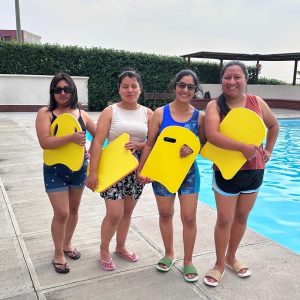
We were fortunate, in this hot climate, to have regular access to a swimming pool. During our spare time in the afternoons, we would take a dip to cool down. Our Guatemalan colleagues were afraid of the water because they did not know how to swim. We procured some flutter boards and Birte taught our midwives to swim. It was great fun.
The project in 2026 was a great experience. We already have invitations to offer more courses in 2027.


