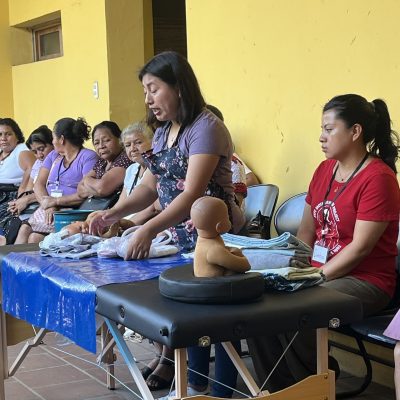
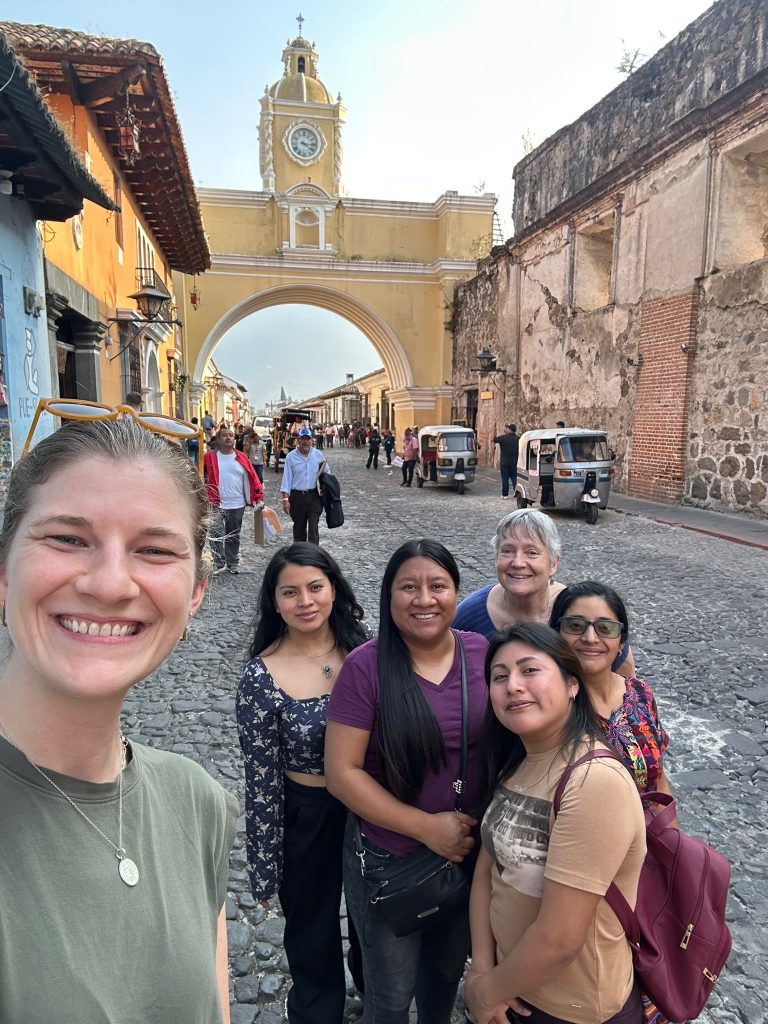
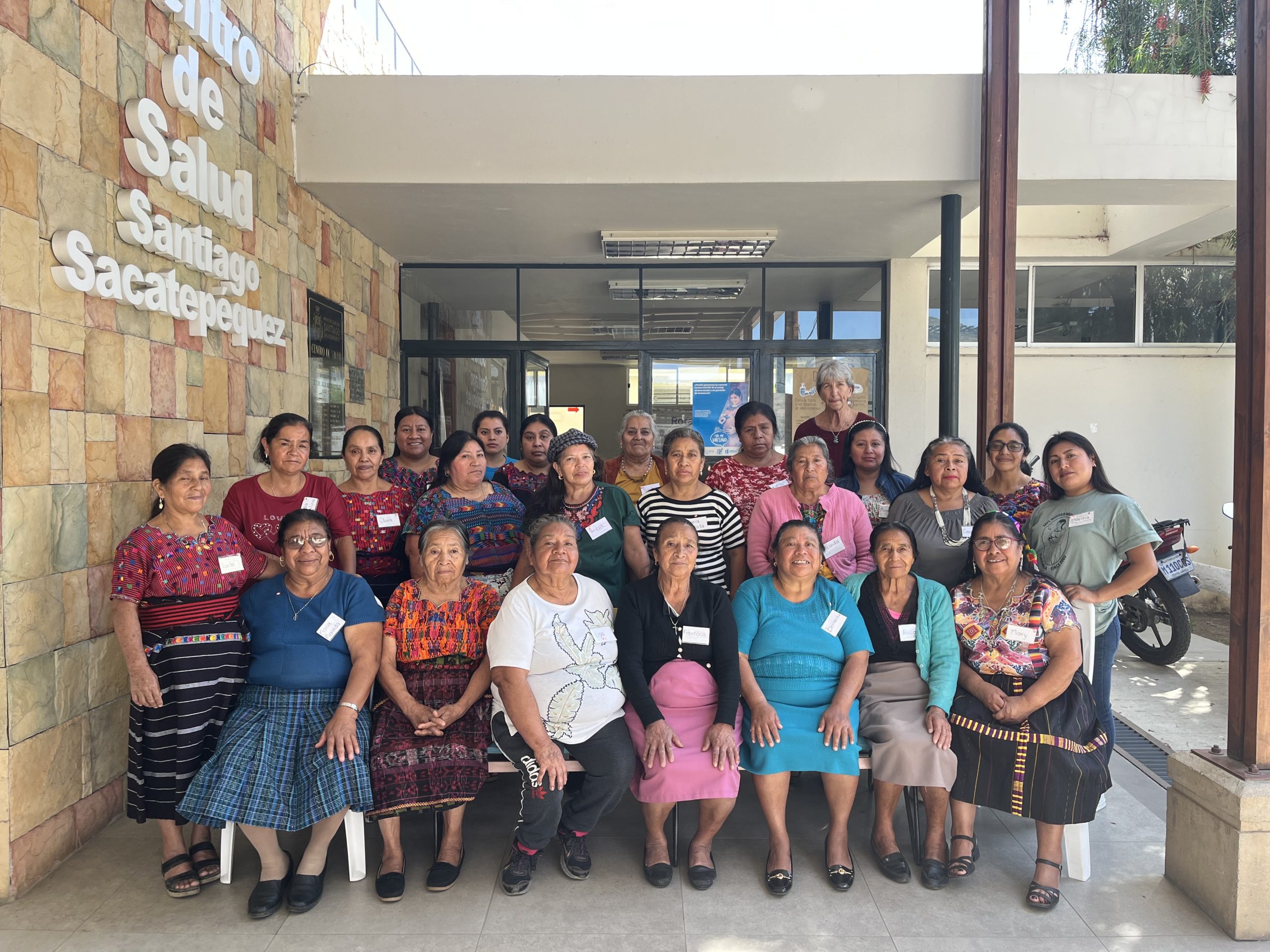
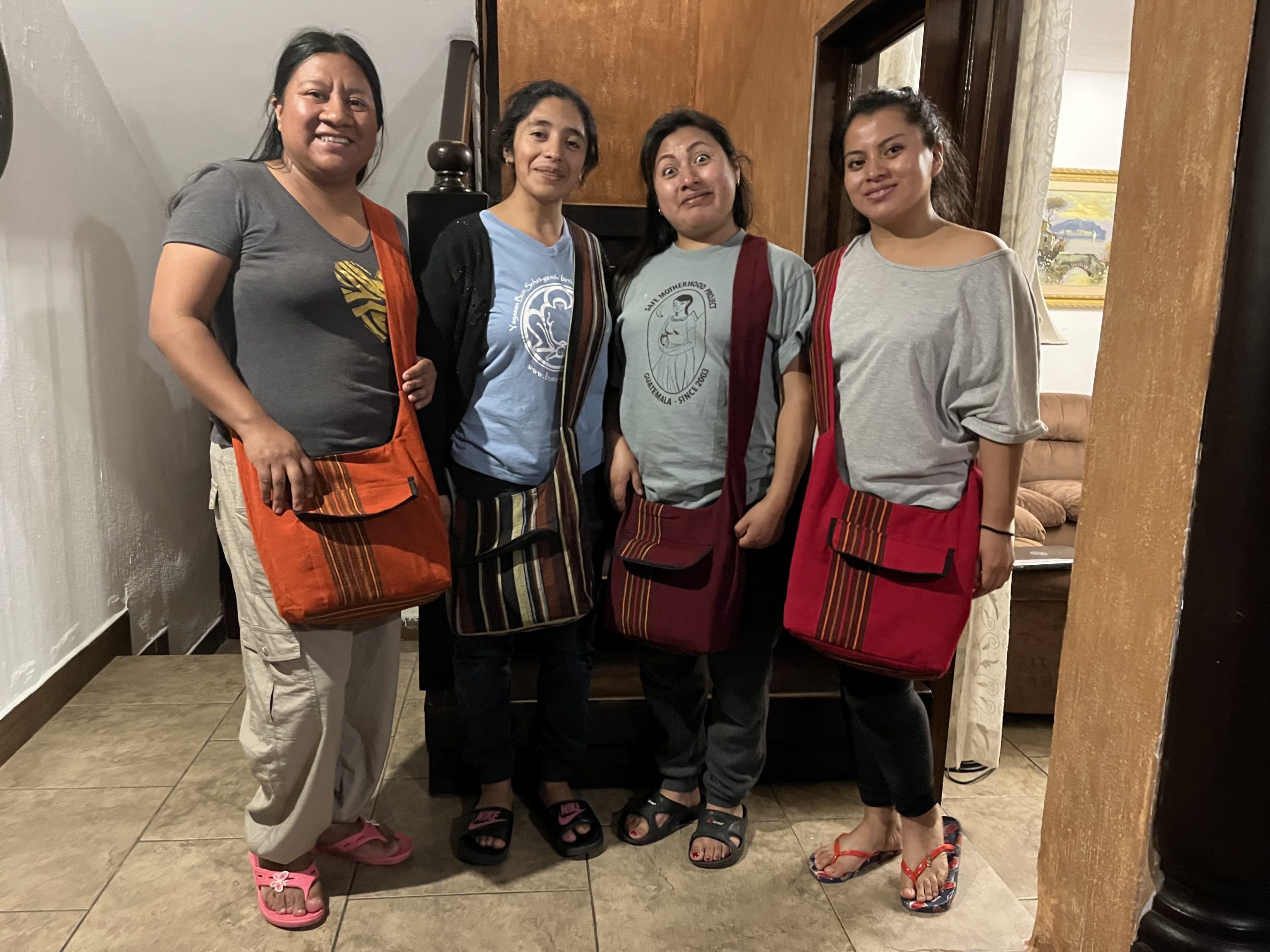
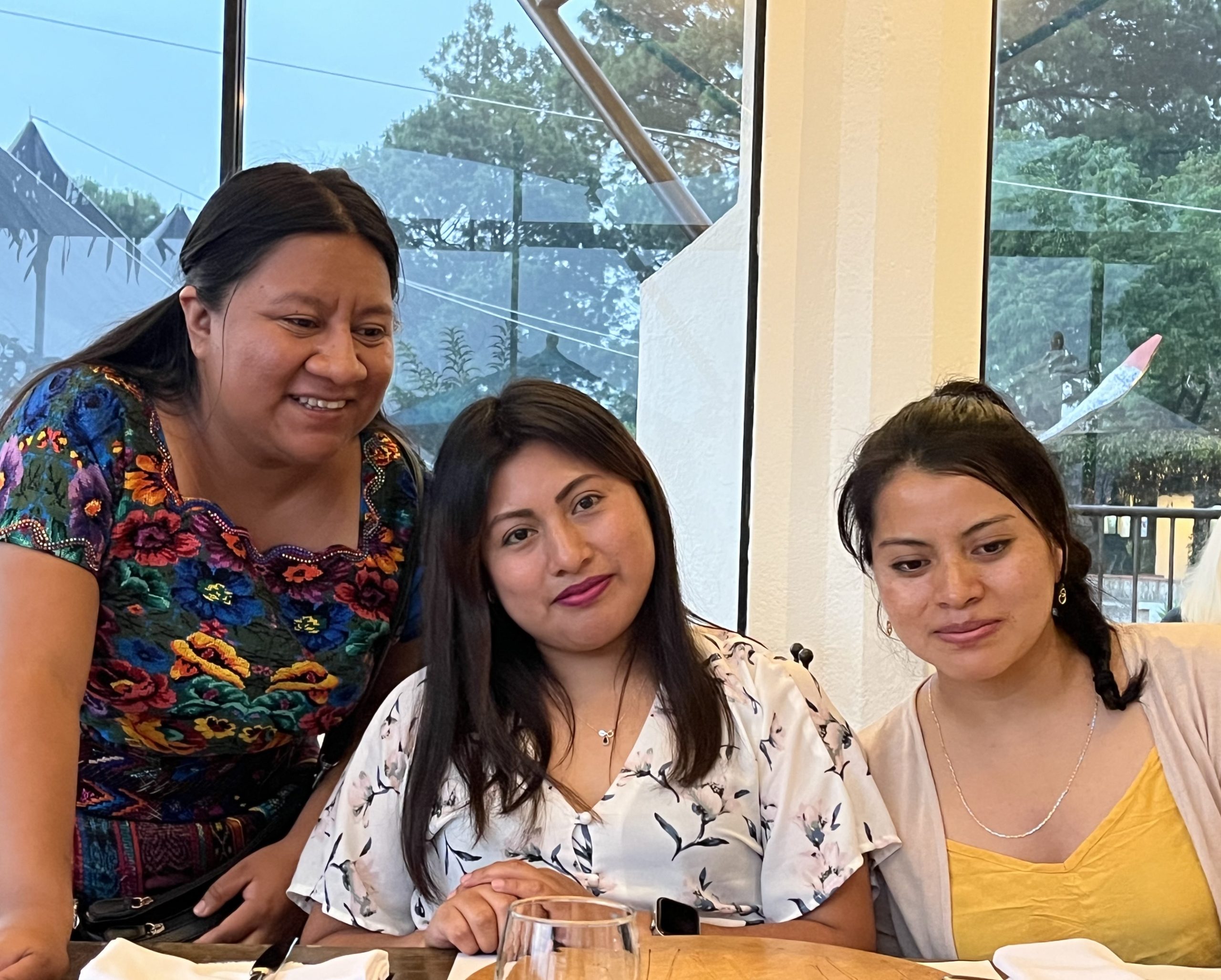
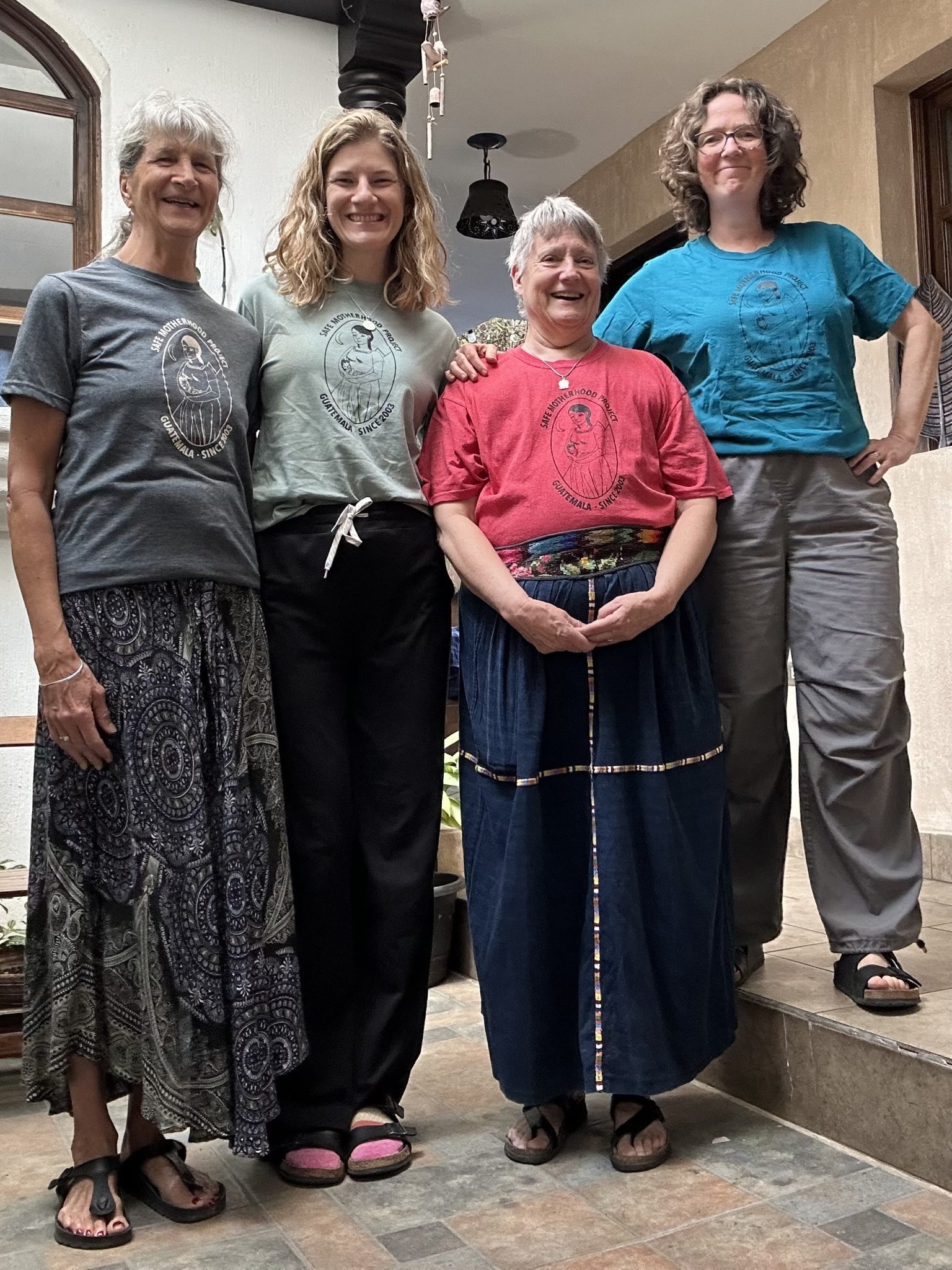
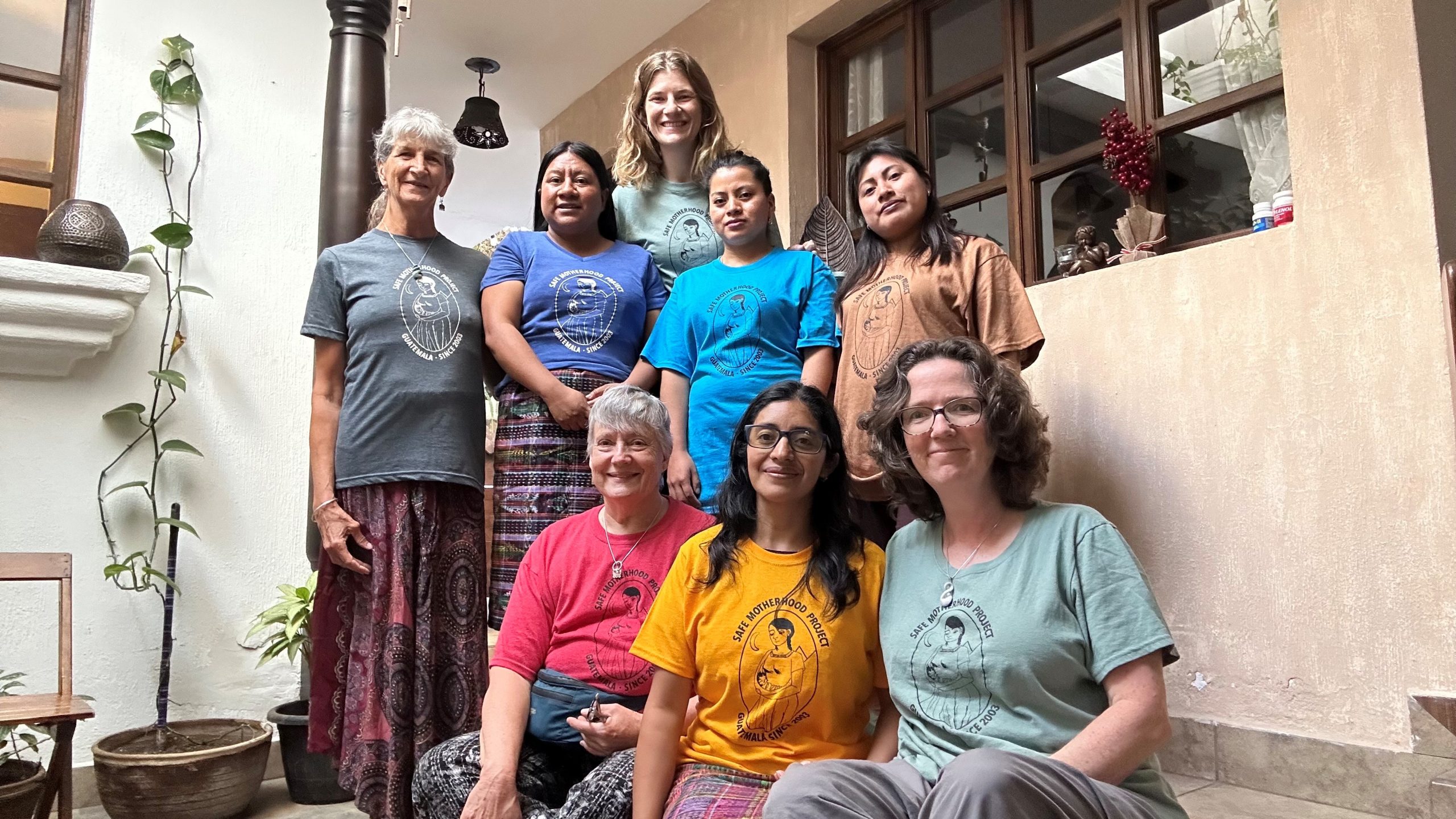
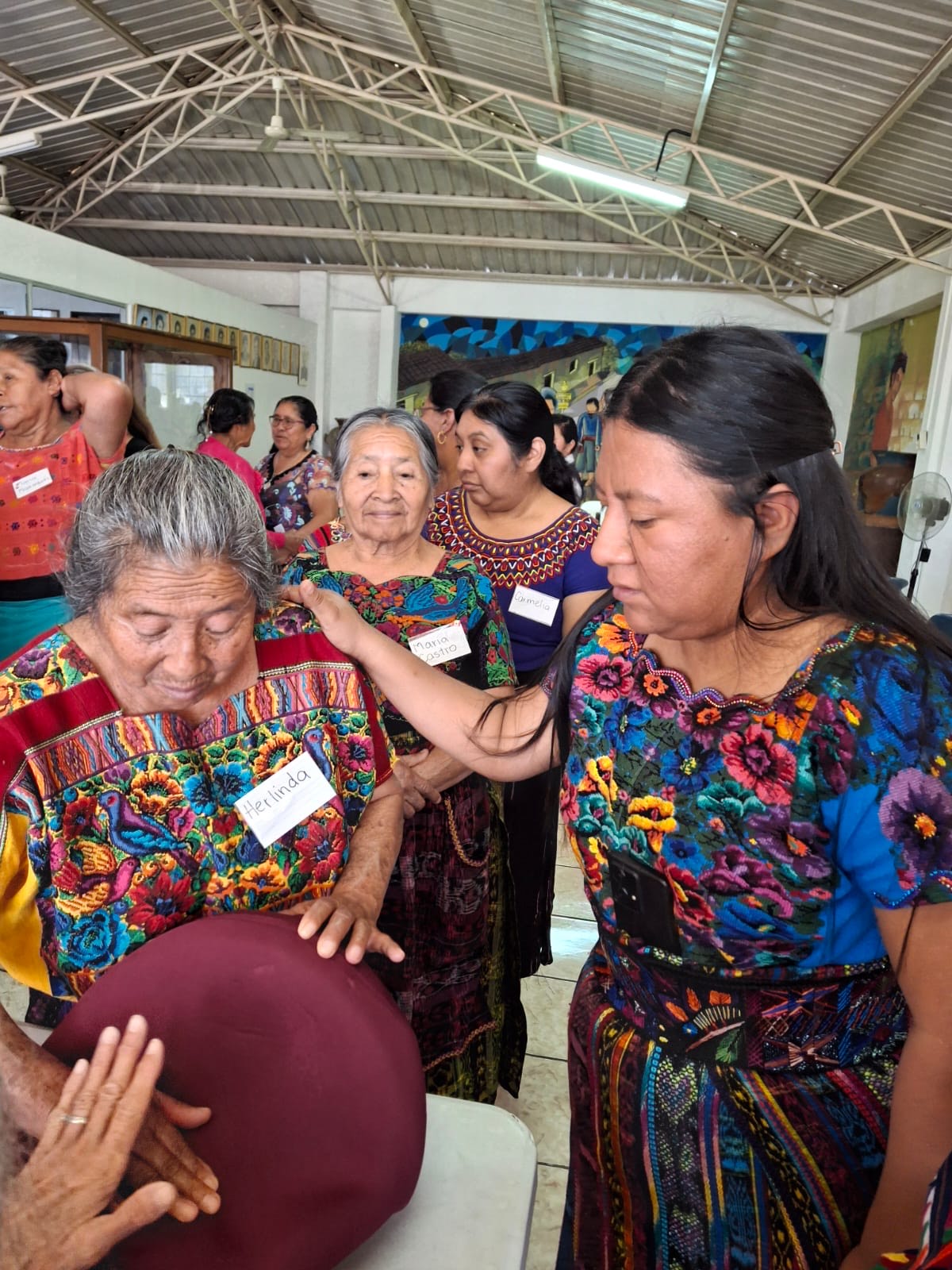
What a wonderful time we had with the Safe Motherhood Project this year from March 4 to March 18, 2025. Thanks to our team member and professional midwife from the UK, Maryla Cross, we have made contact with midwives from the Associación de Parteras Profesionales de Guatemala, the Guatemalan Professional Midwives Association. Four lovely Guatemalan midwives joined us this year to help us teach comadronas, the traditional Mayan birth attendants in Santiago Sacátepequez.
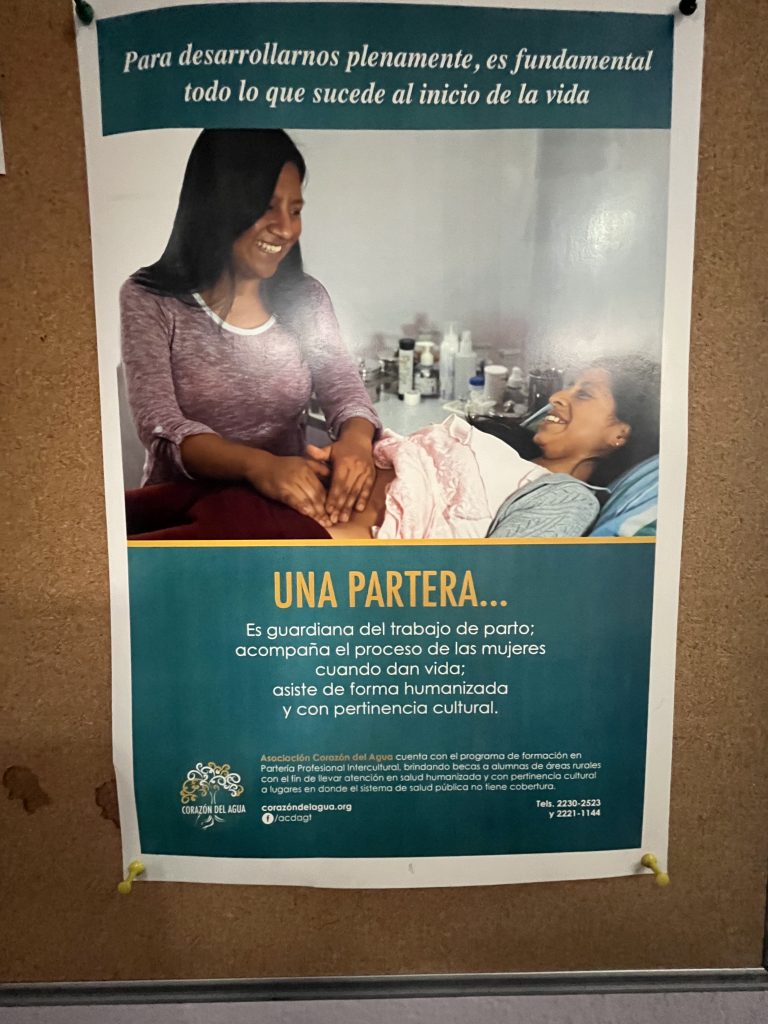
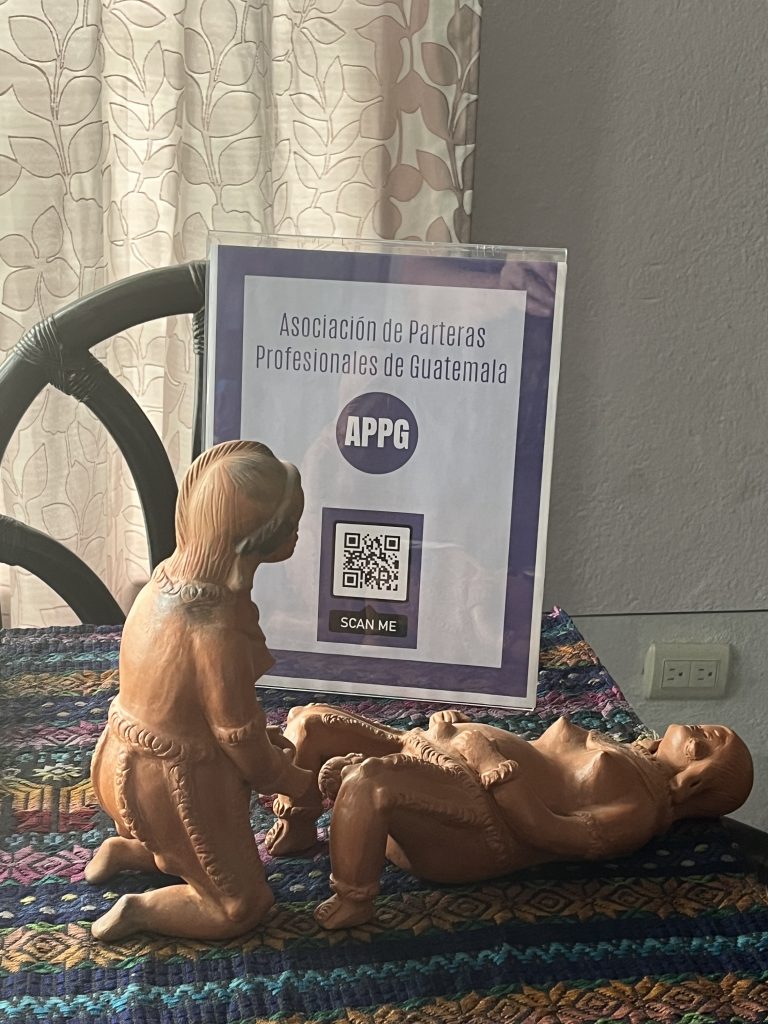
As you may have read previously, the project has been in a state of transition since 2023, when our Guatemalan team from San Lucas Toliman retired from working with us. I am pleased to report that the midwives who joined us this year were very impressed with the course we teach. They agreed that it is worthwhile to continue to bring this course to comadronas in rural and remote regions of Guatemala. They enthusiastically expressed their wish to continue working with us
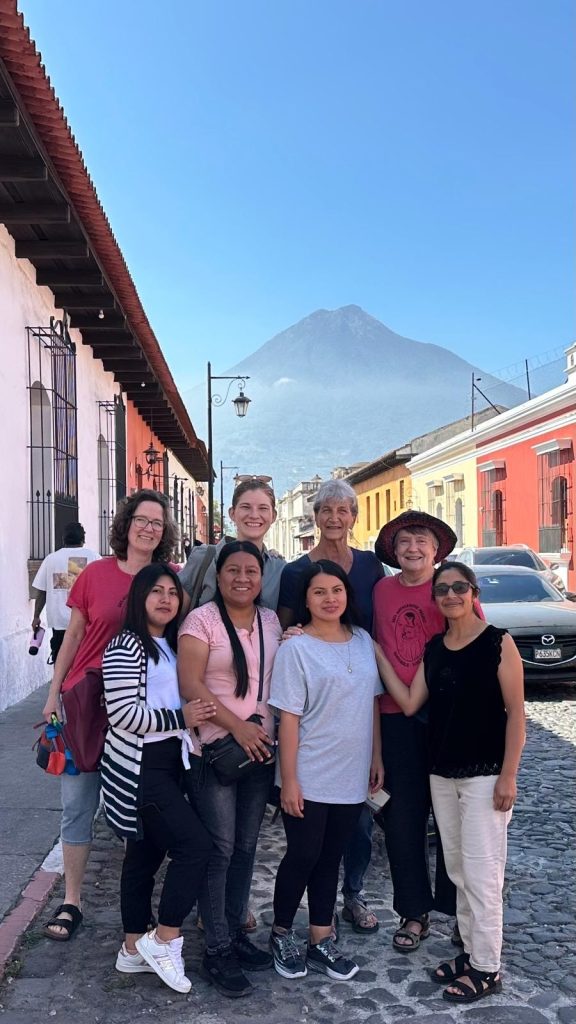
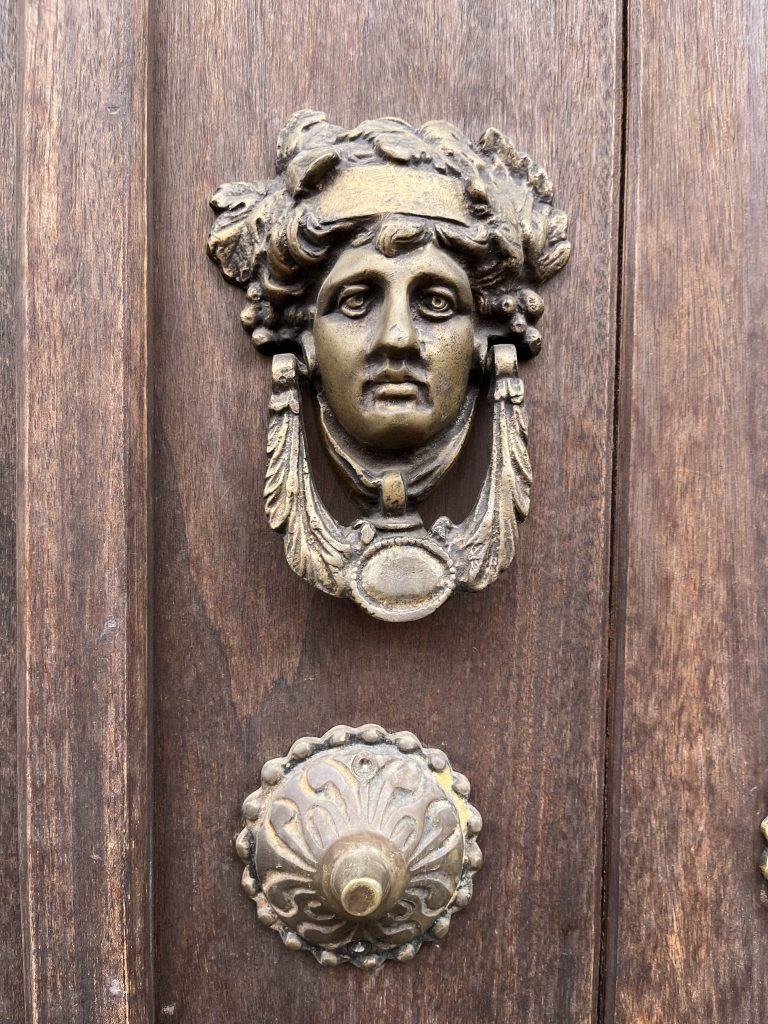
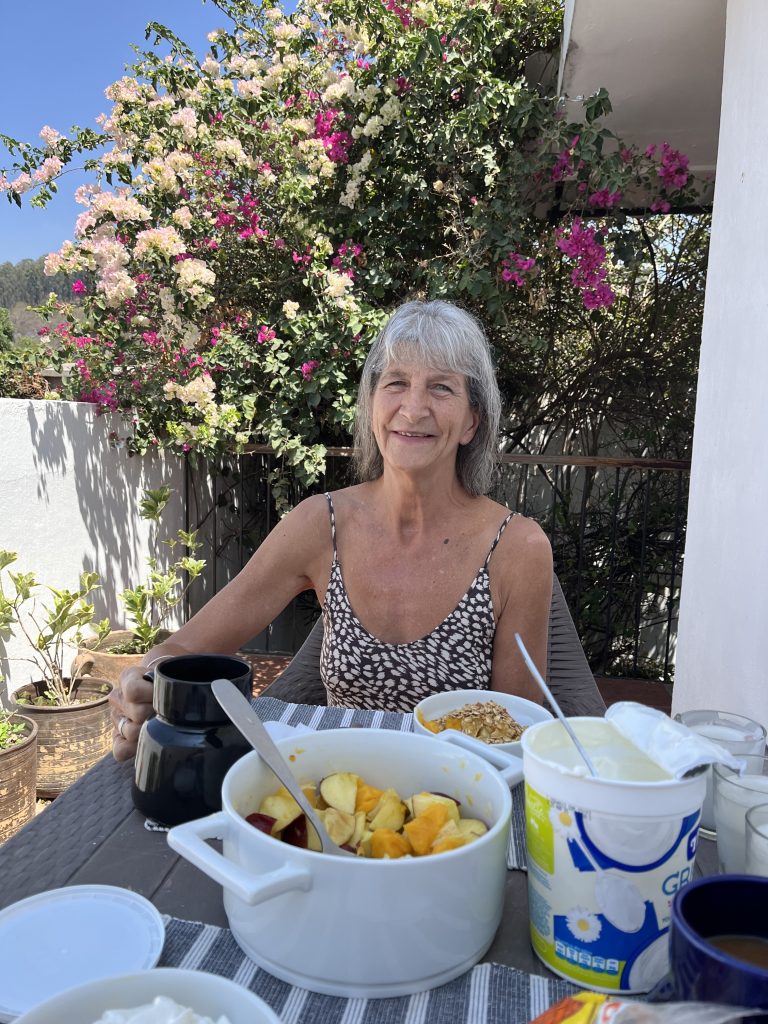
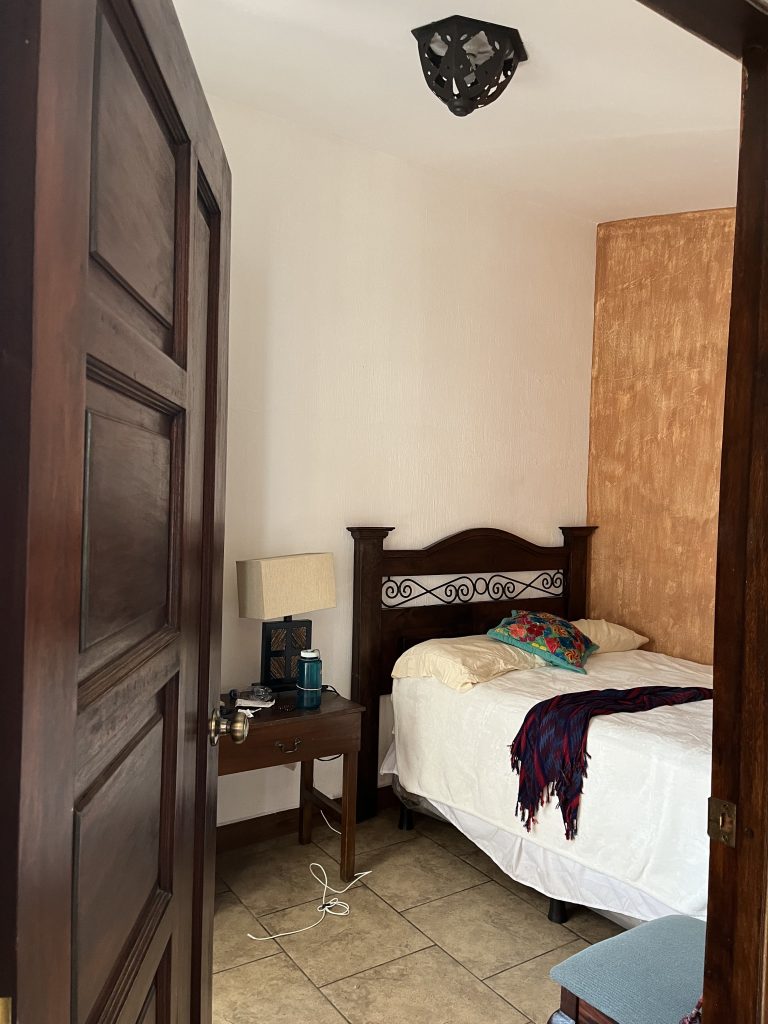
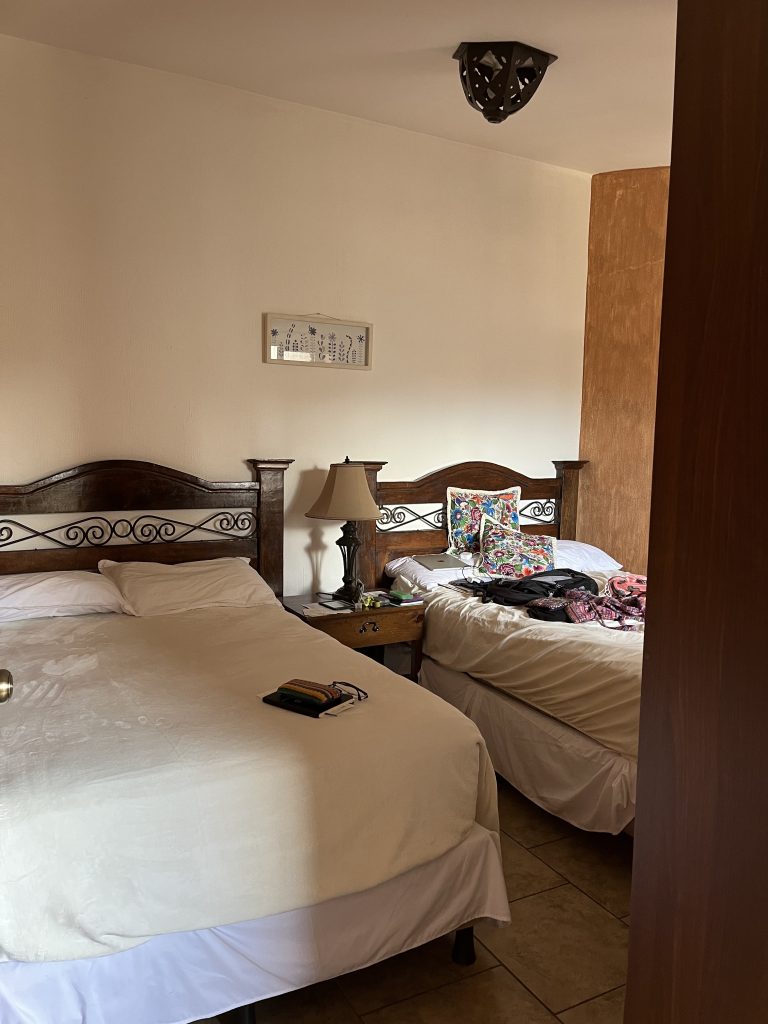
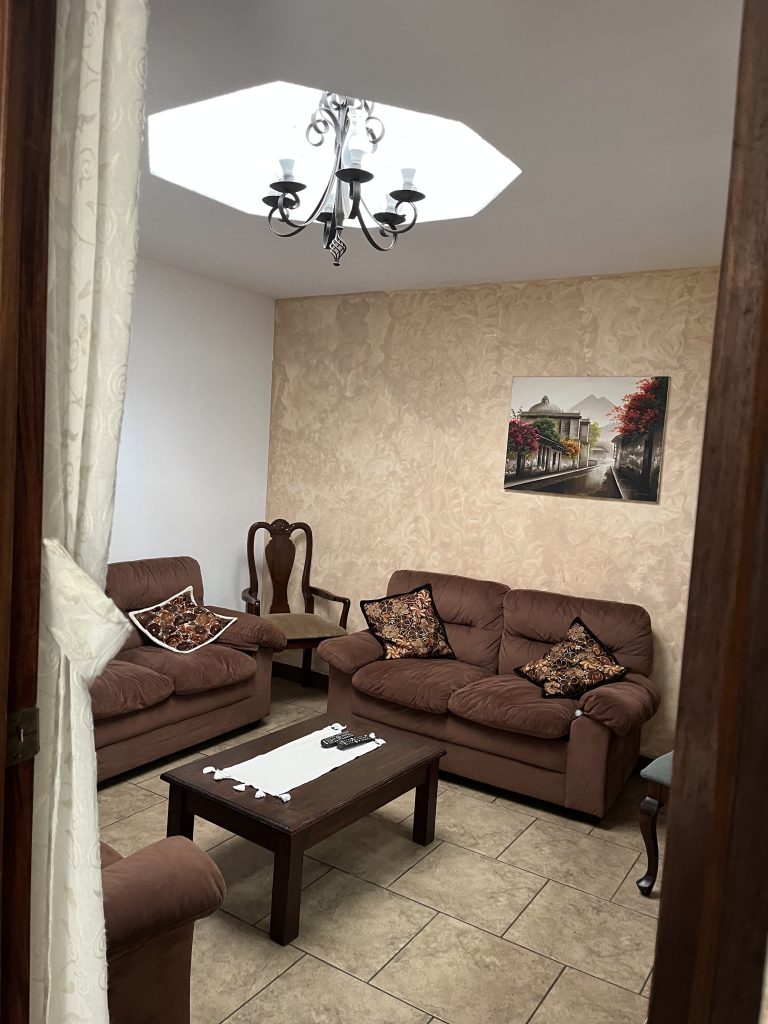
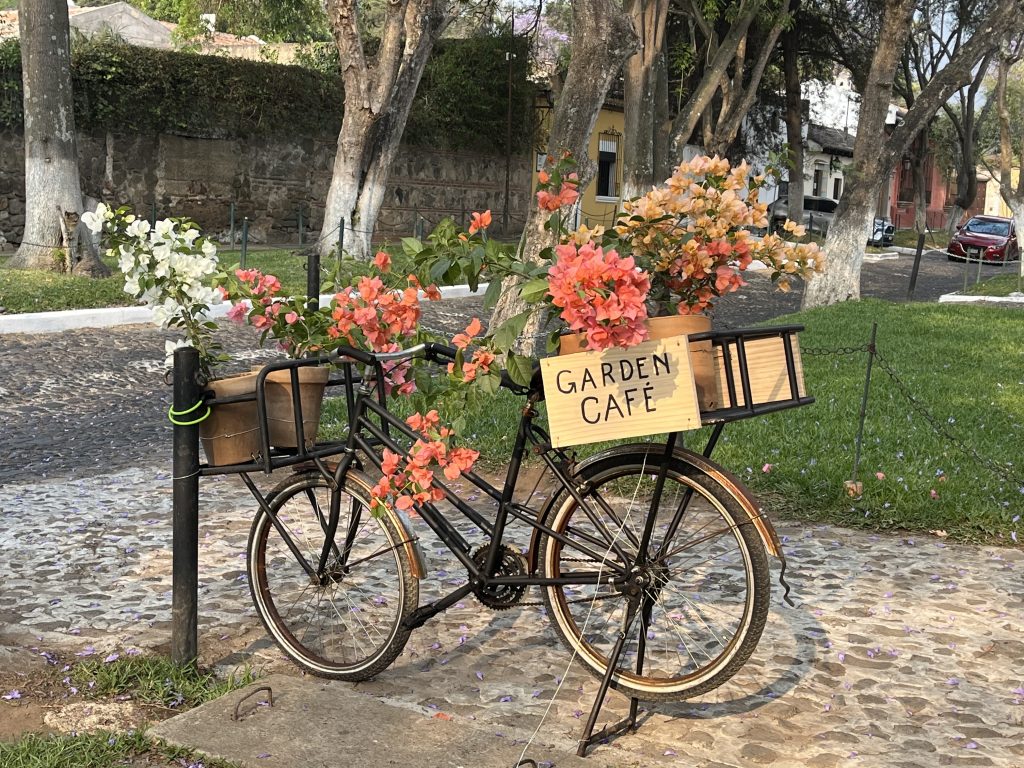
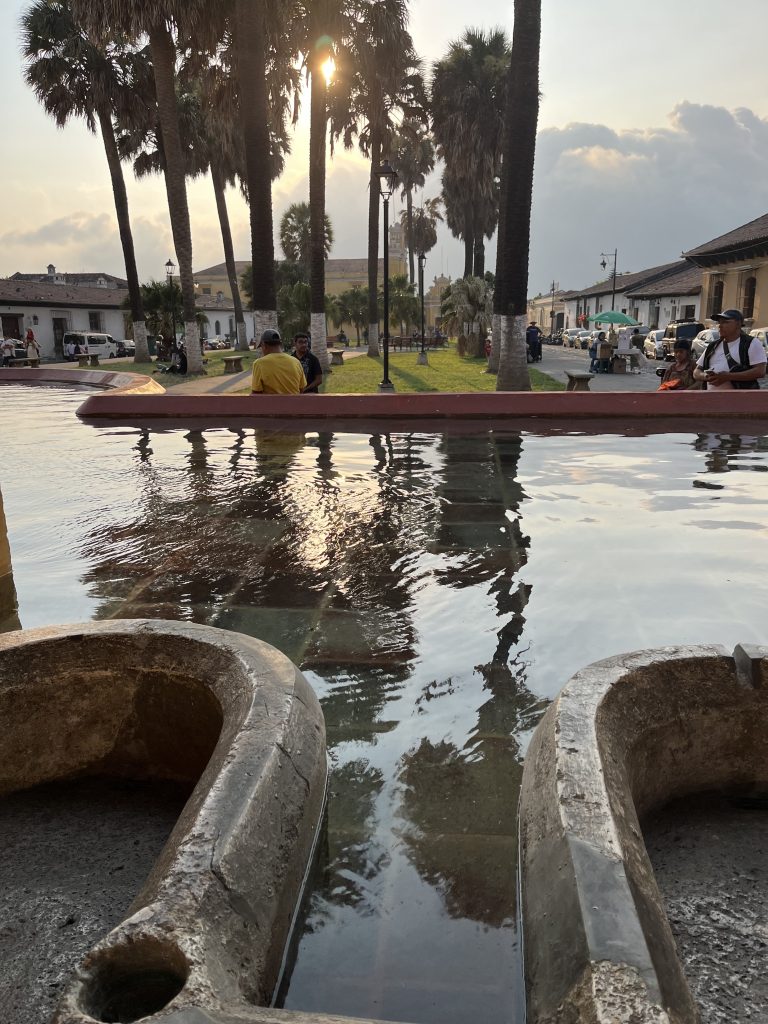
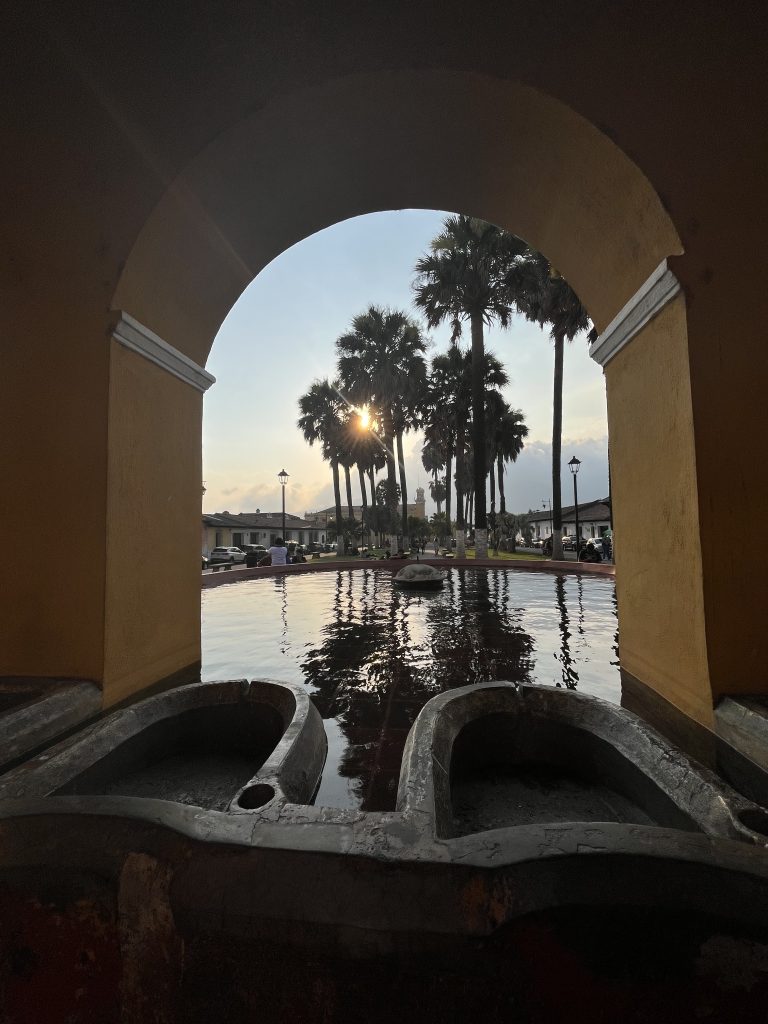
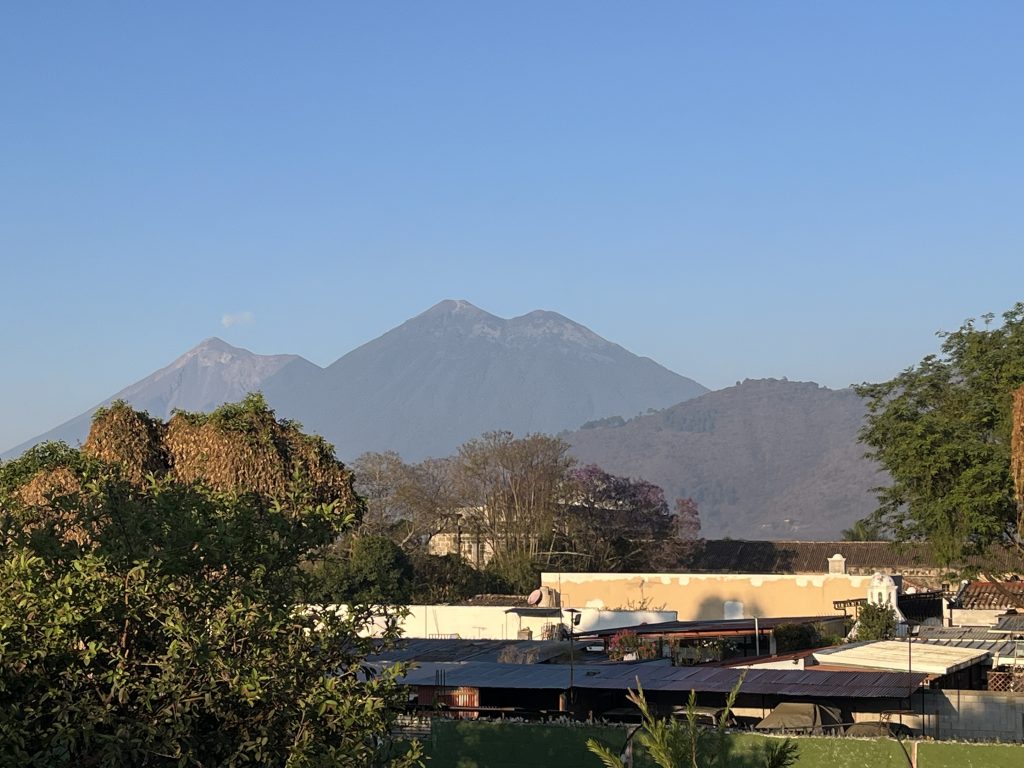
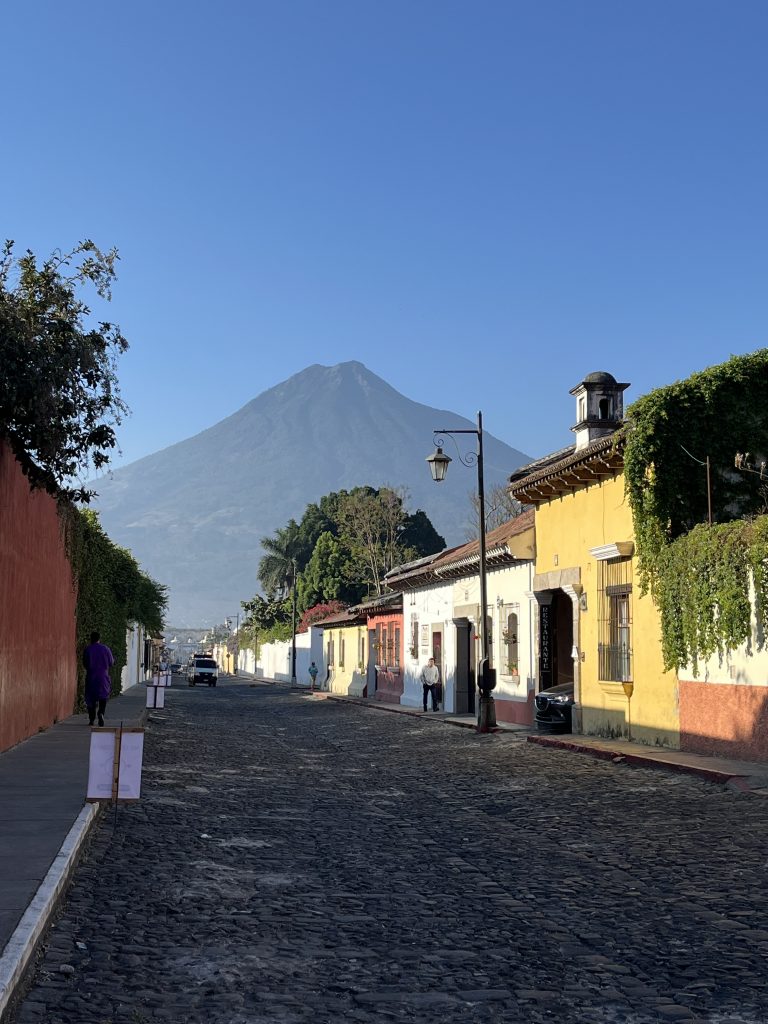
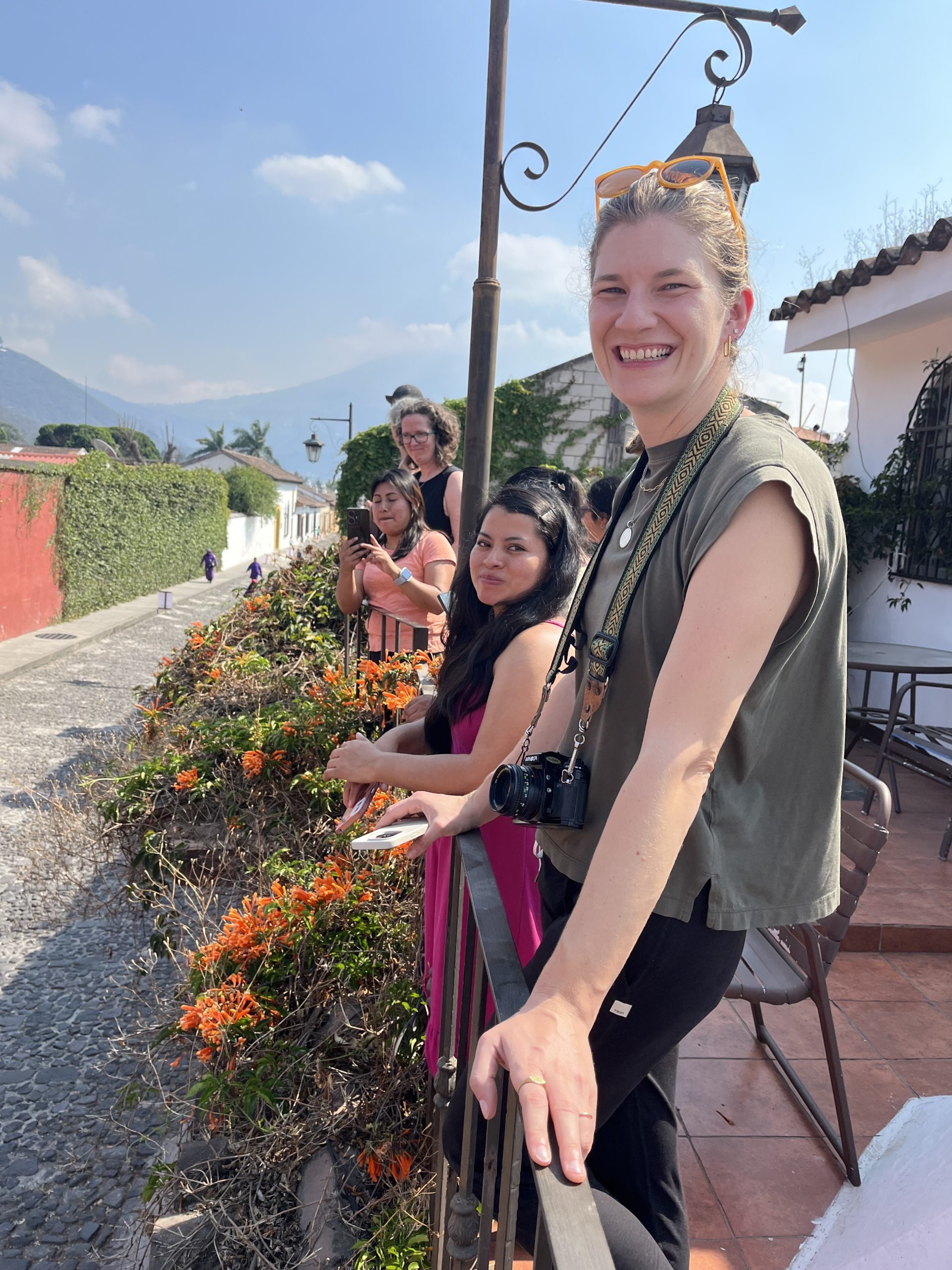
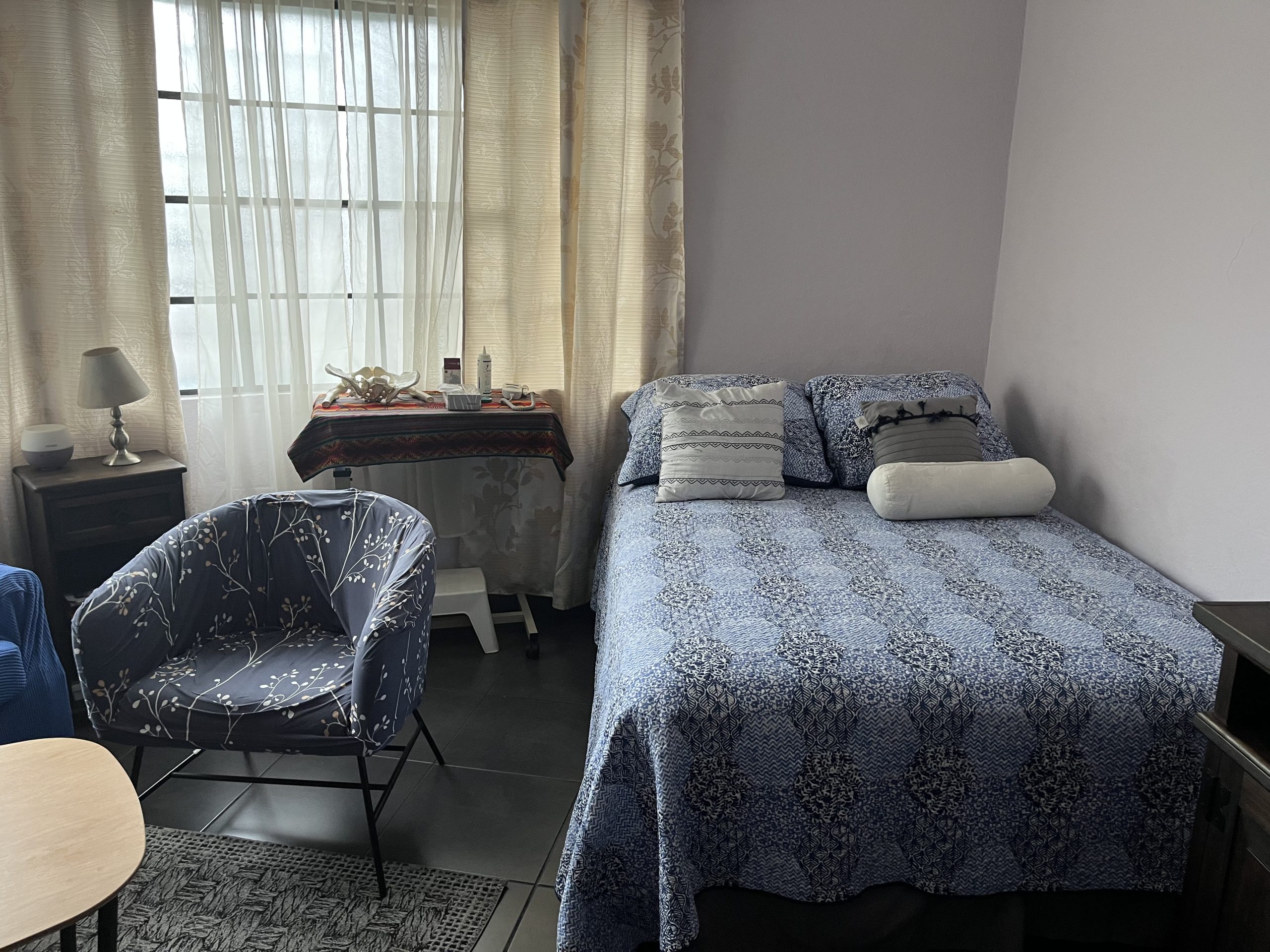
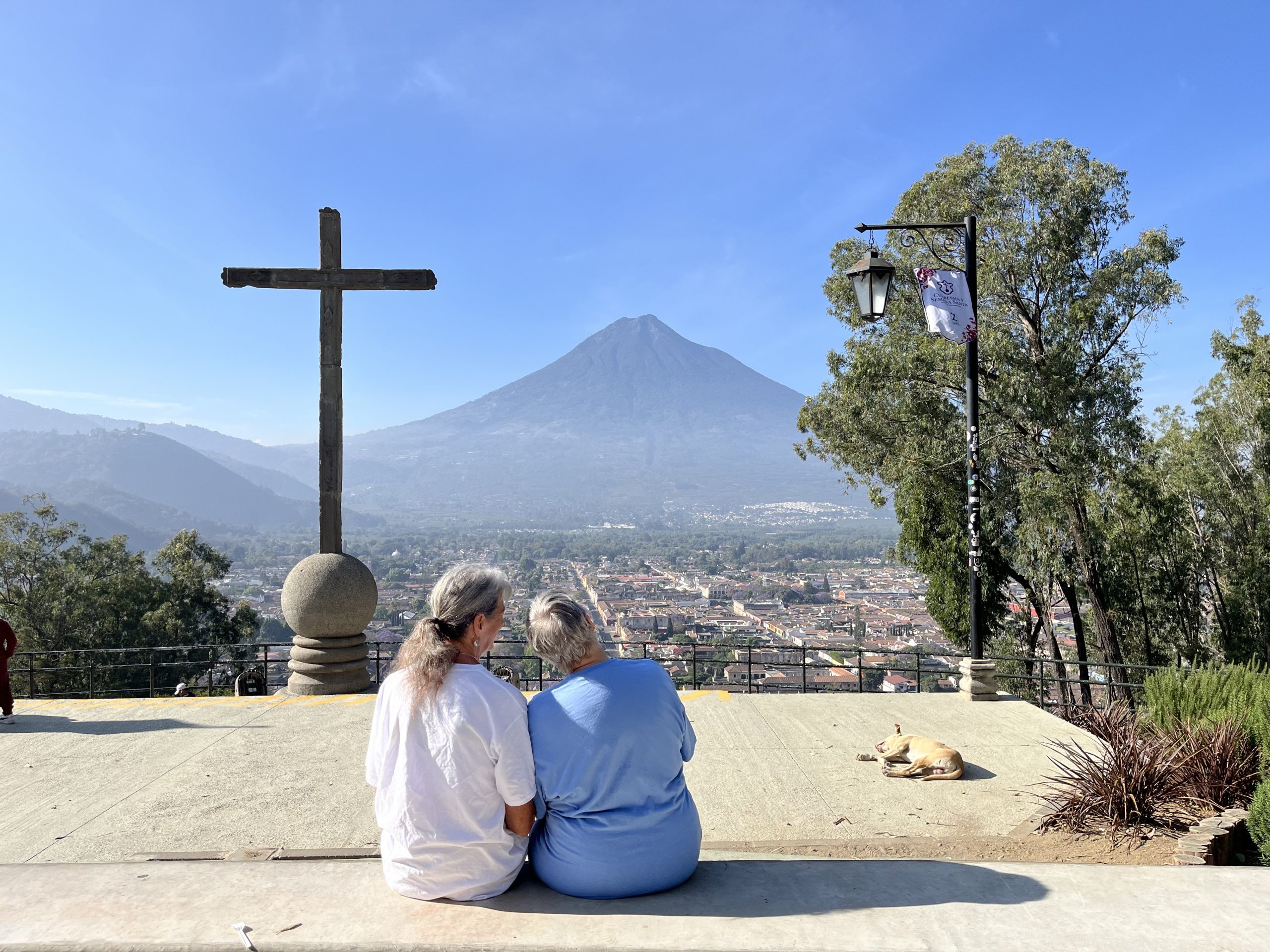
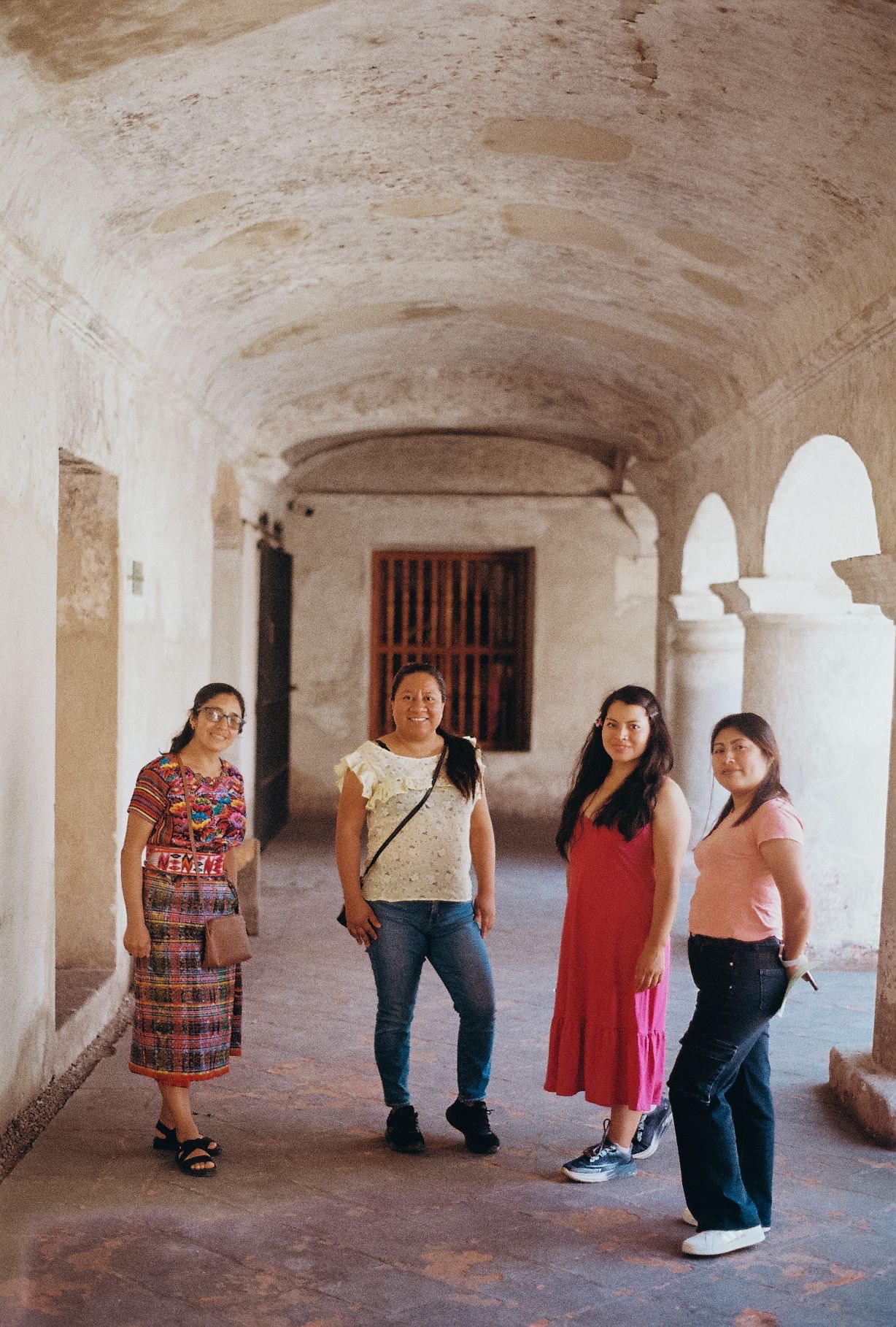
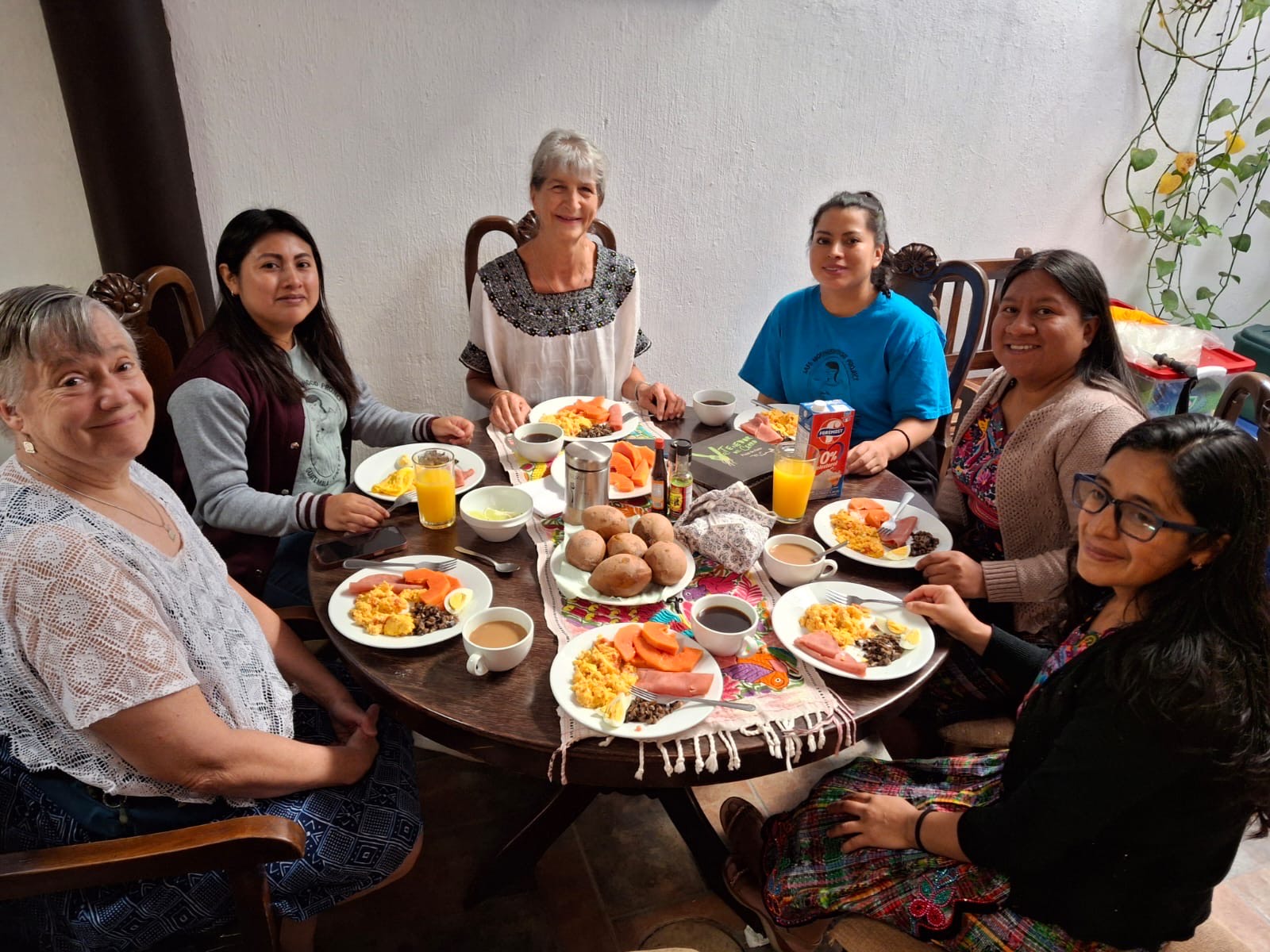
We stayed our entire time in La Antigua, Sacátepequez which was about a 30min drive from Santiago. We commuted to Santiago each day of our course. We rented a house through AirBNB that would sleep 8 people, with a kitchen where we could prepare our own meals. Antigua is a beautiful 400 year old Spanish colonial city that has been designated a UNESCO world heritage site, with stately homes, convents, and monasteries constructed around central courtyards, cobble stoned streets, and beautiful cathedrals. To the south, there is the dormant volcano Agua. To the west, the volcanoes Fuego which is active, and Acatenango which is dormant, can be seen. On the night of March 11, 2025, Fuego erupted after two months of no activity. It was the biggest eruption in the past 7 years and residents in villages at the base of the volcano and tourists hiking on adjacent Acatenango had to be evacuated. We were able to watch and hear the explosions from our second floor balcony, quite the light show.
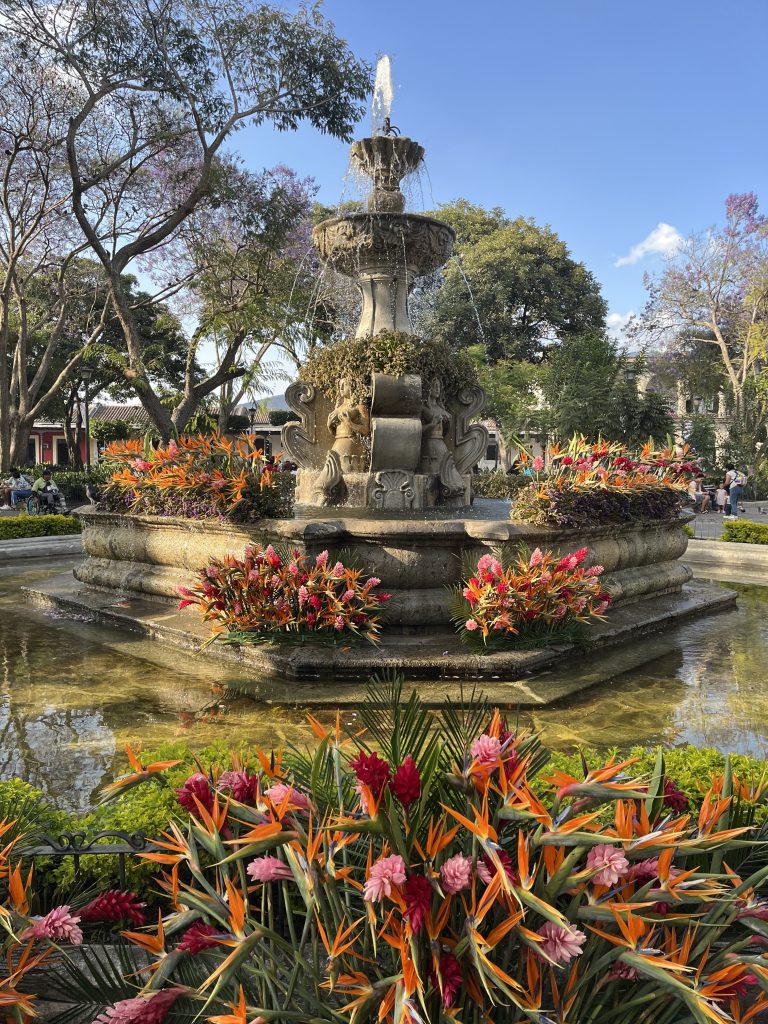
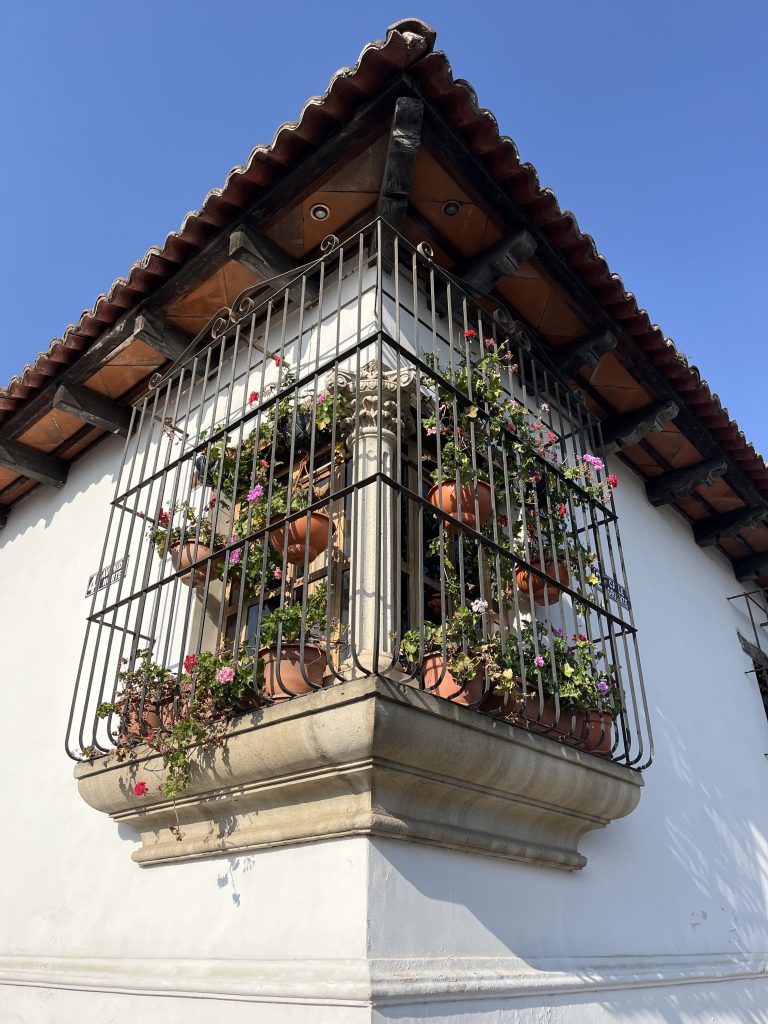
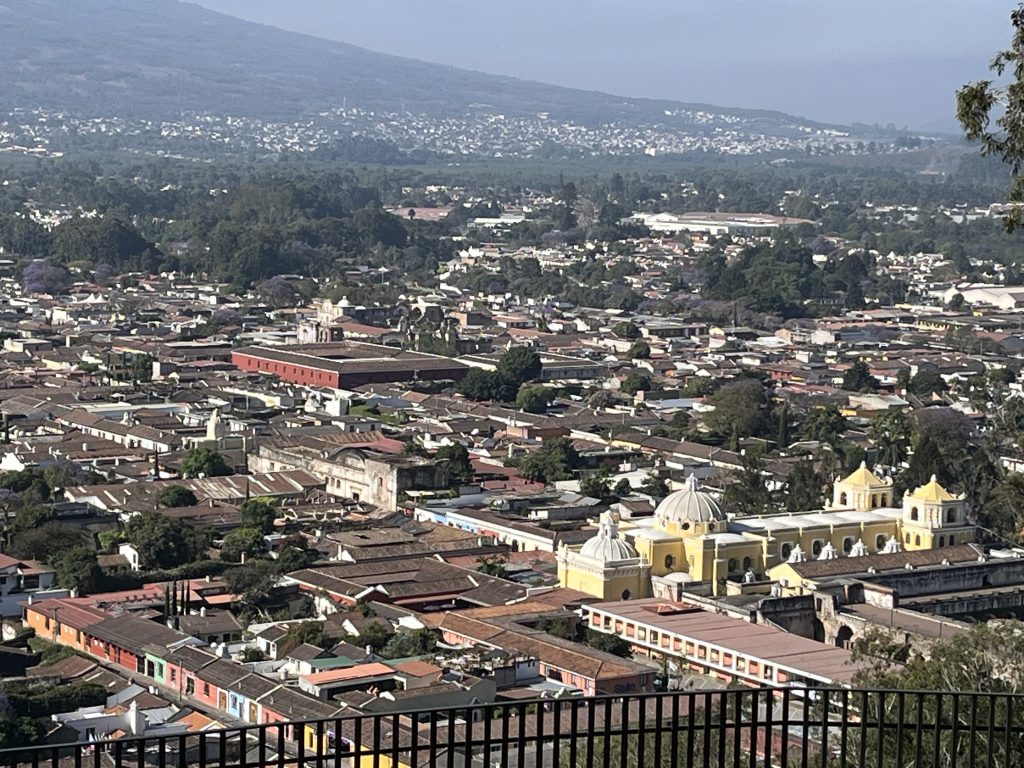
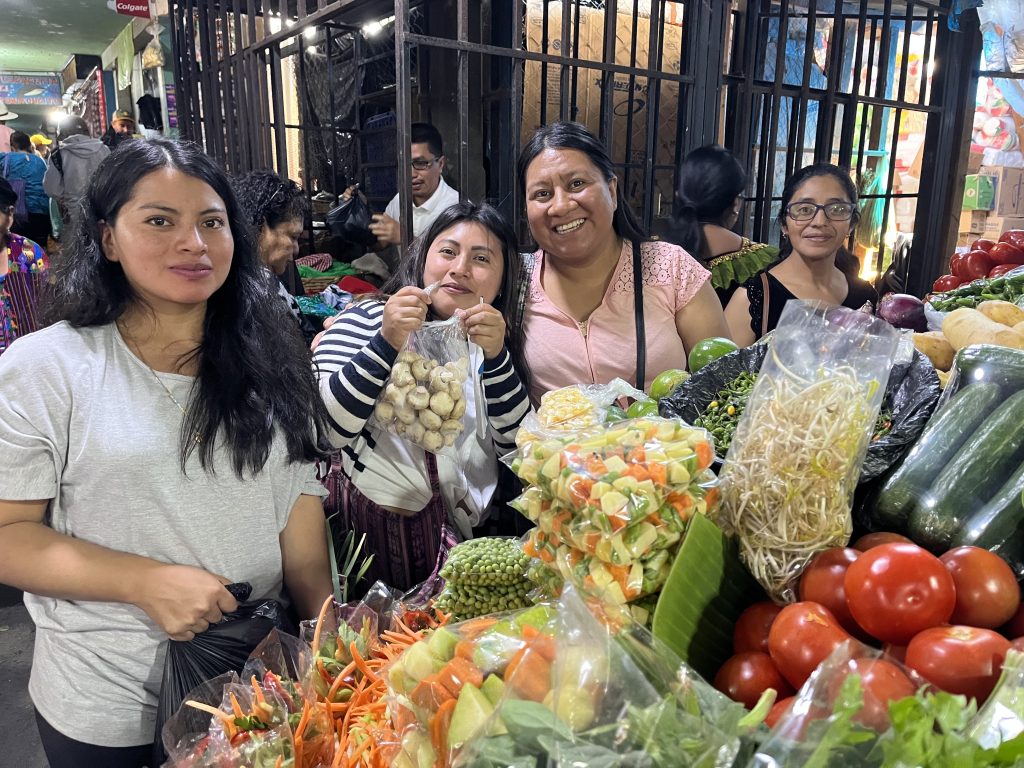
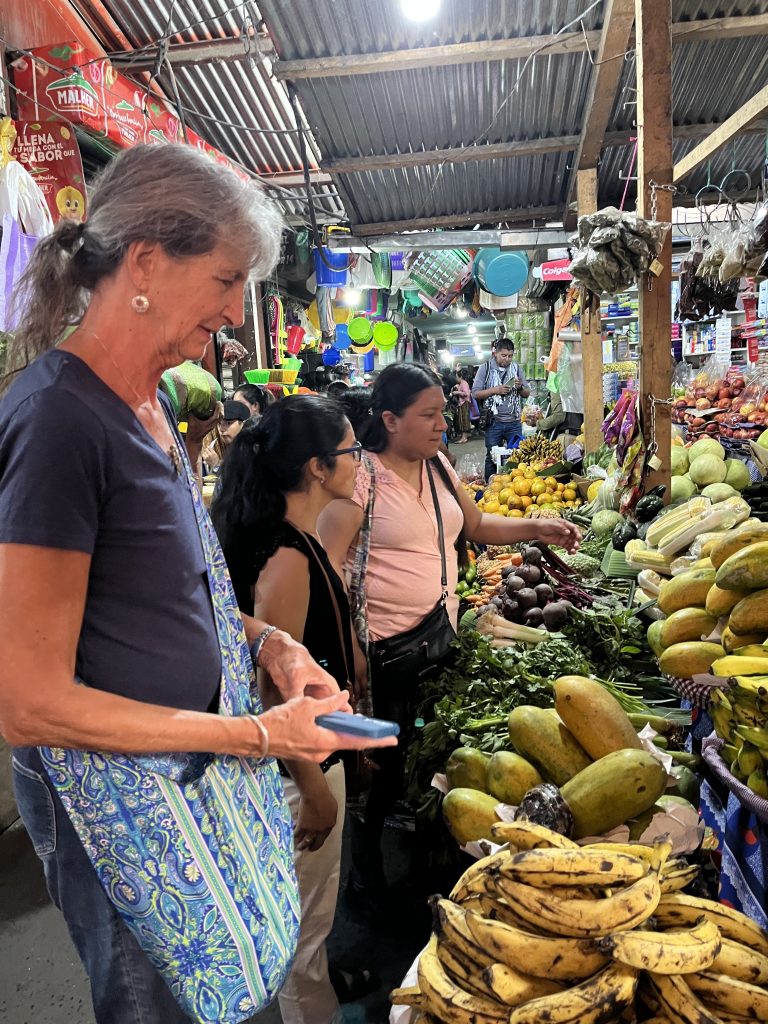
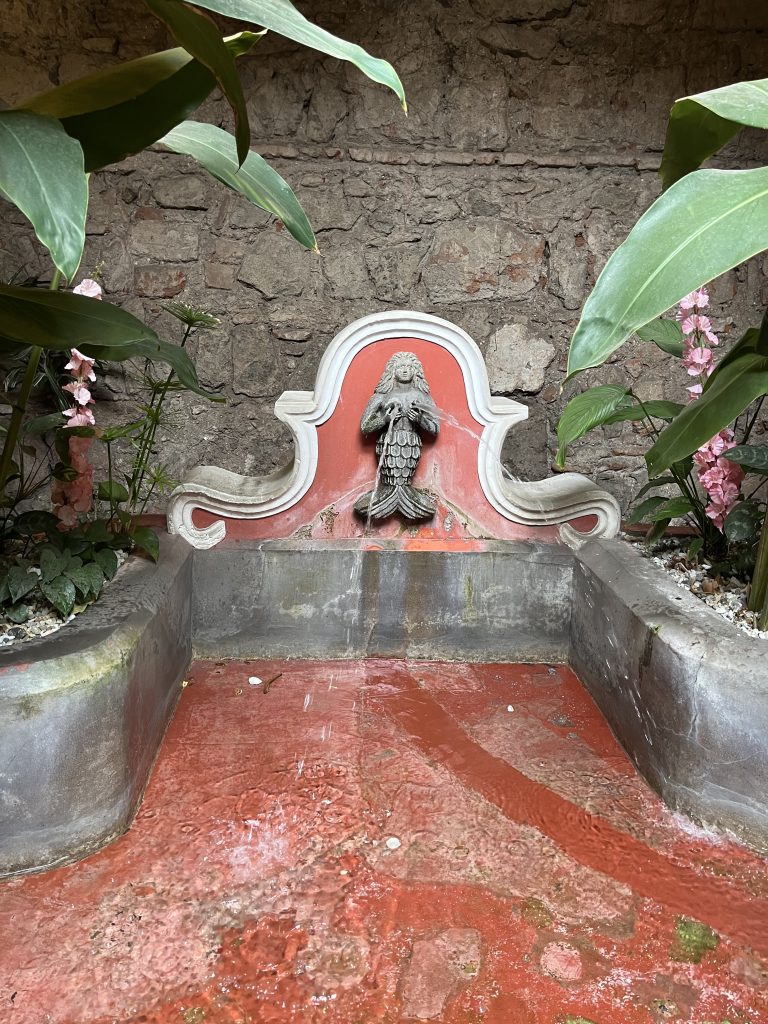
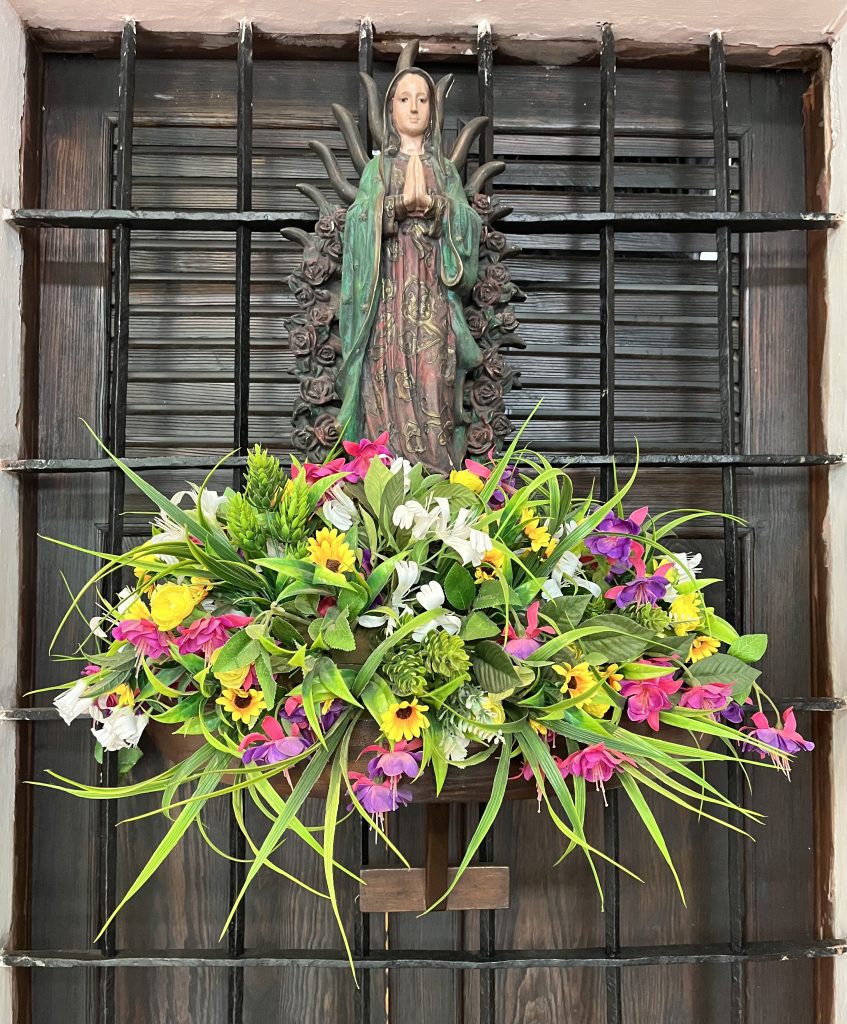
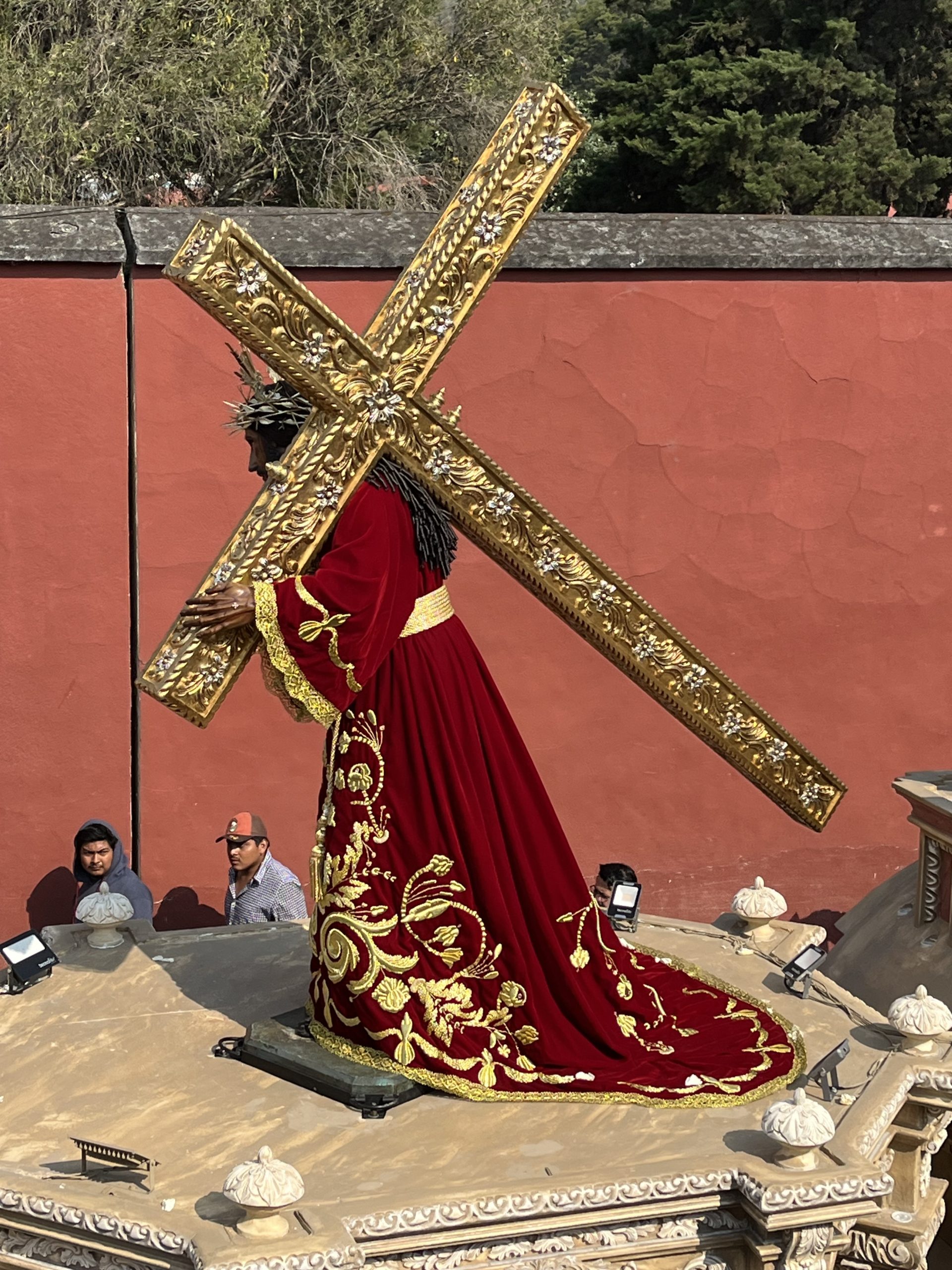
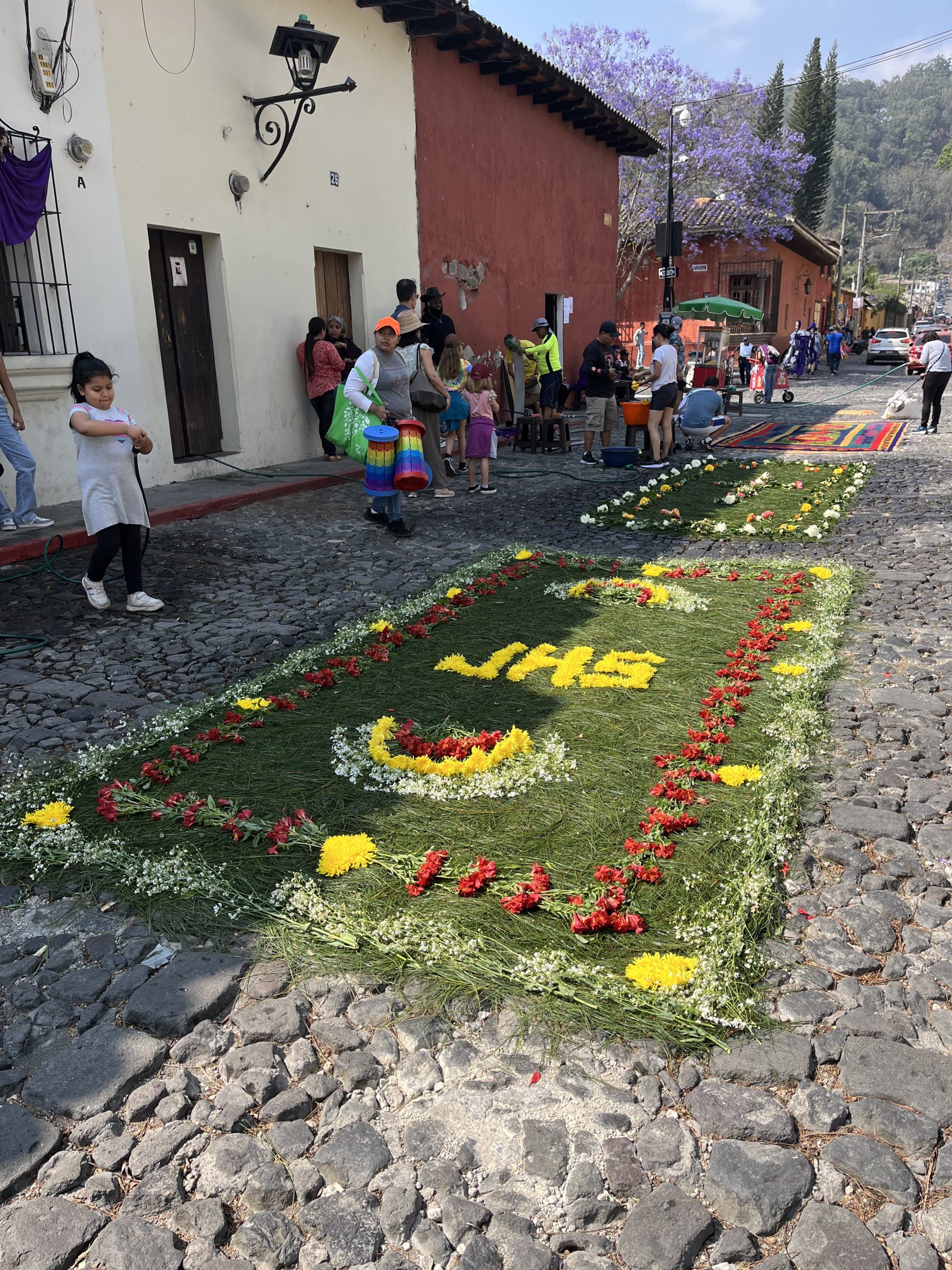
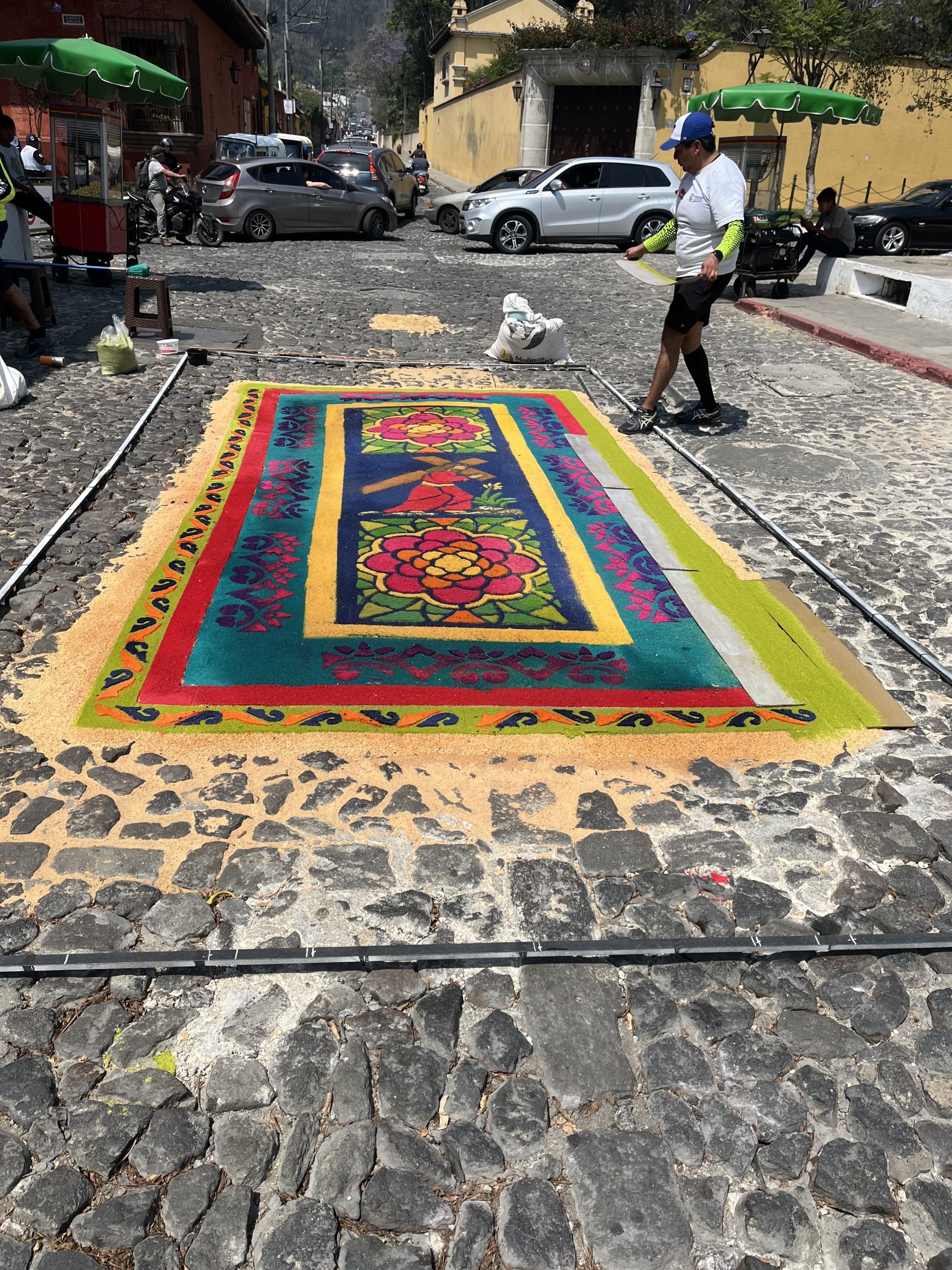
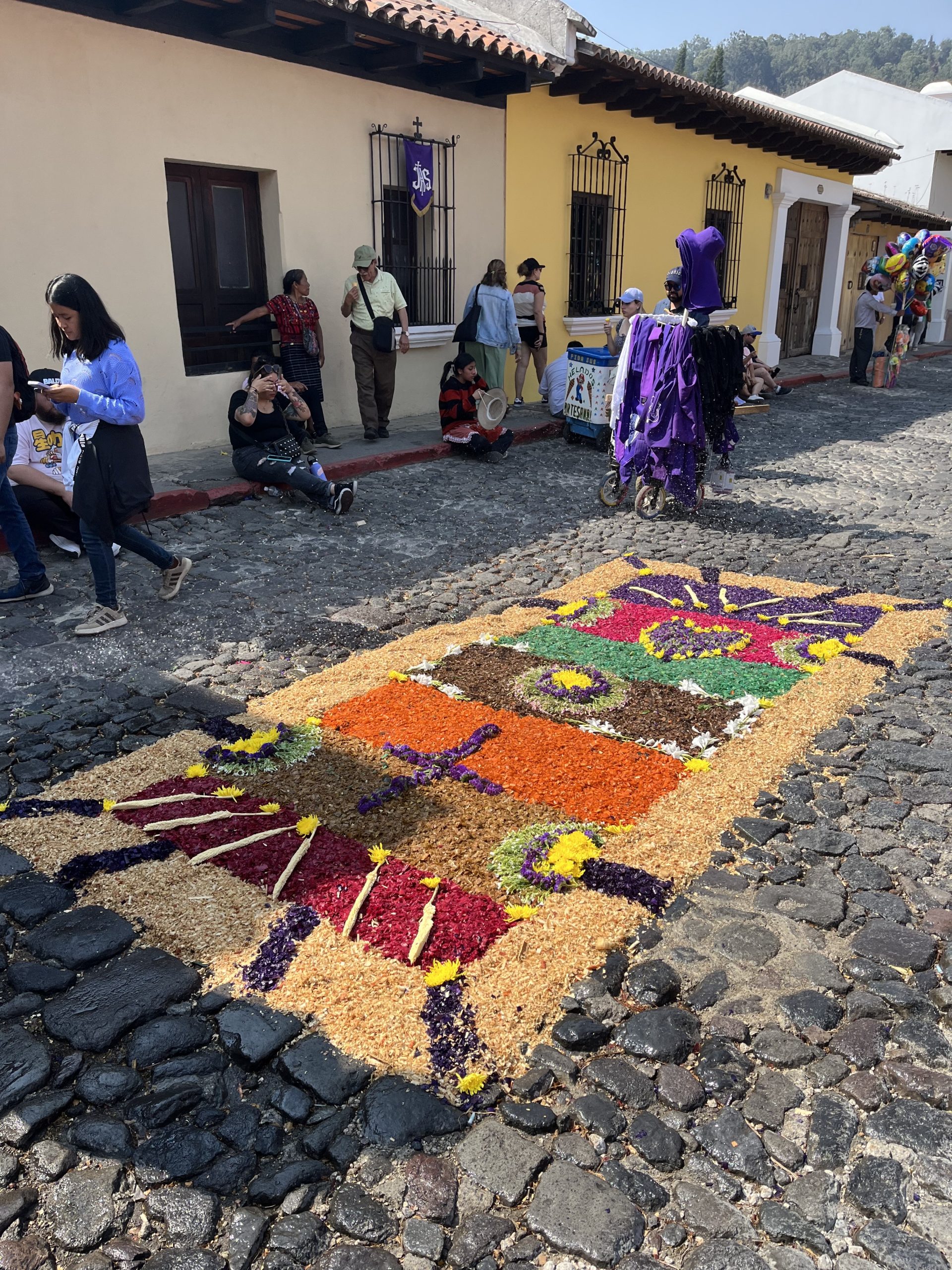
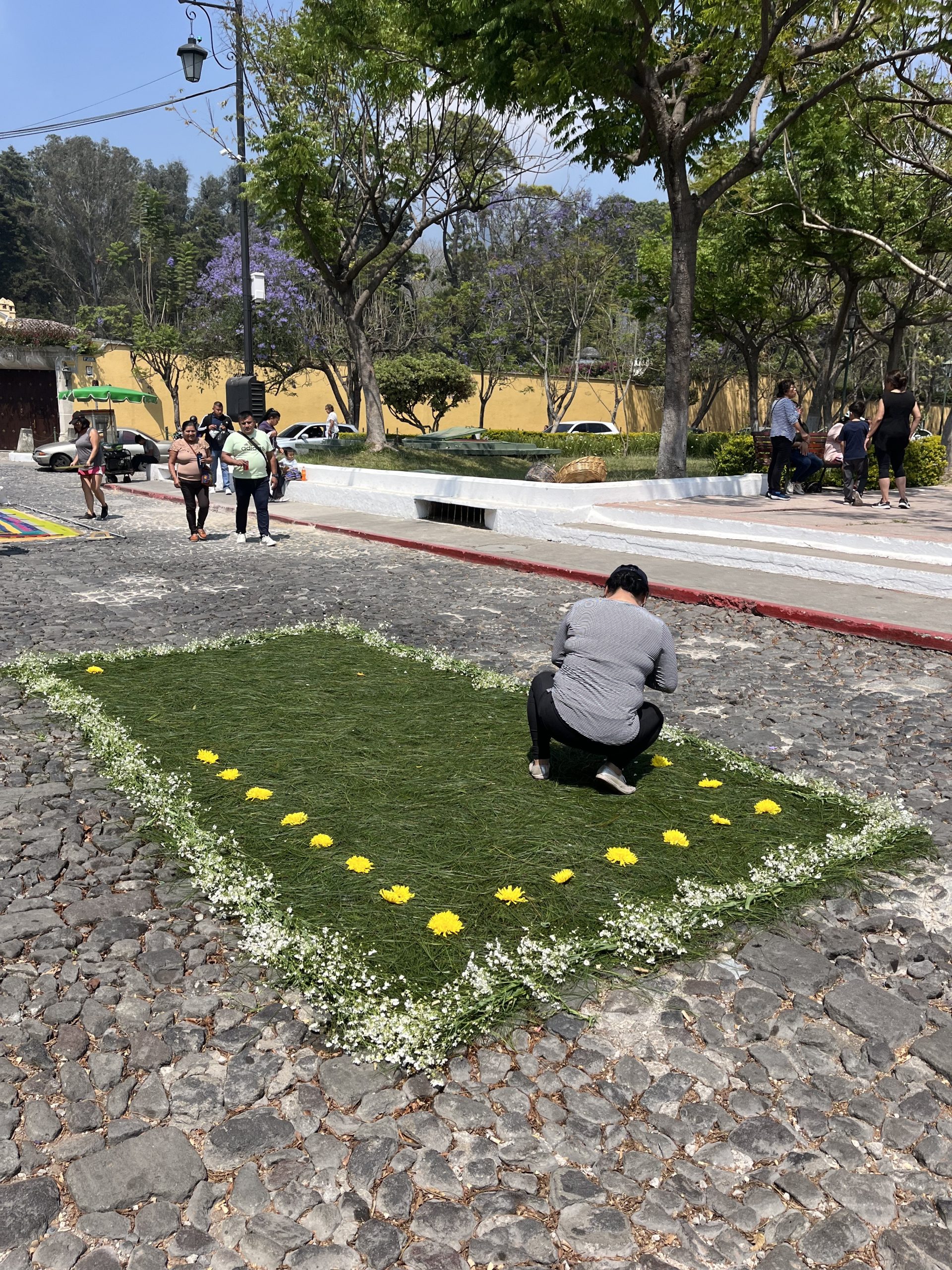
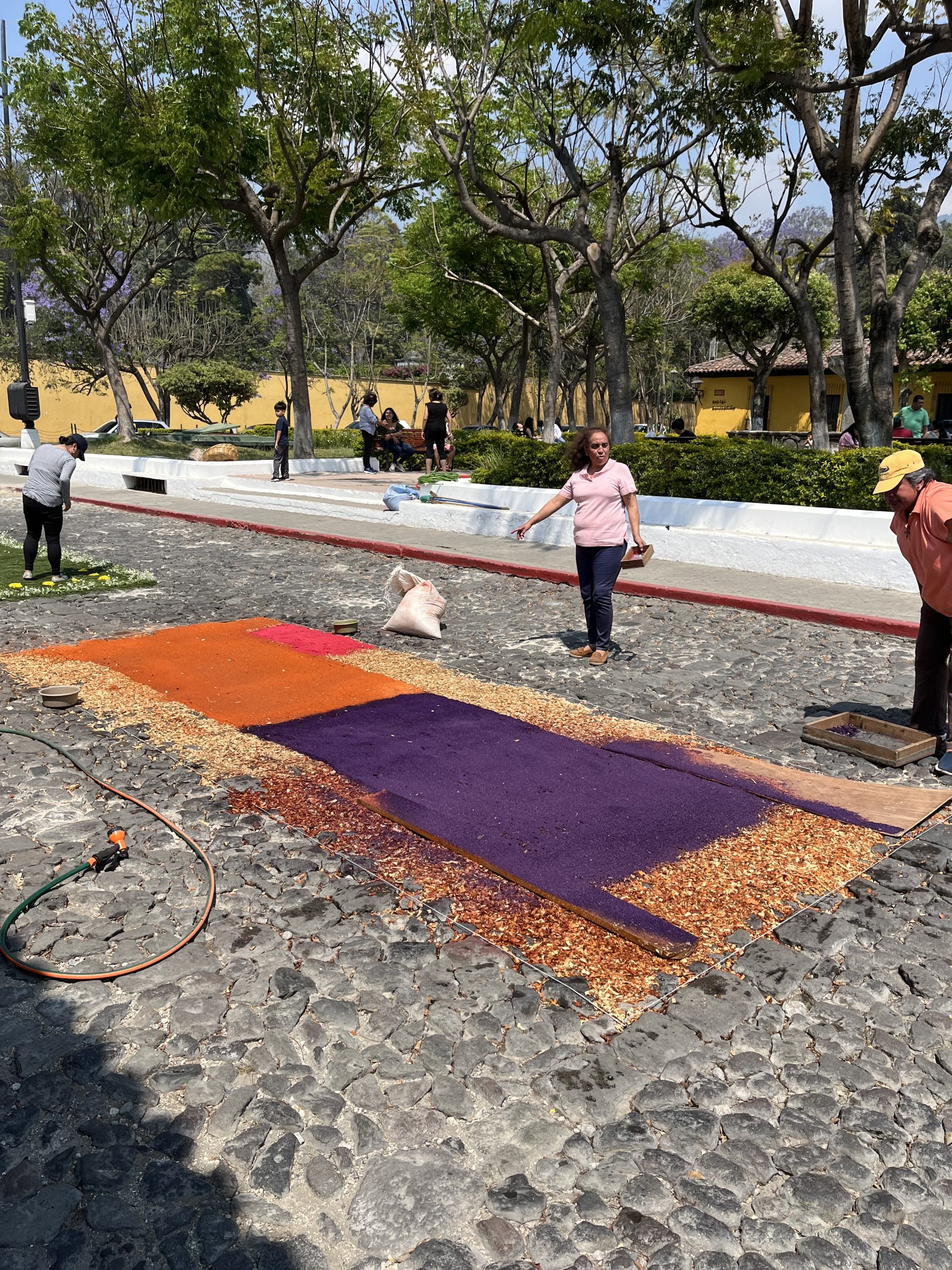
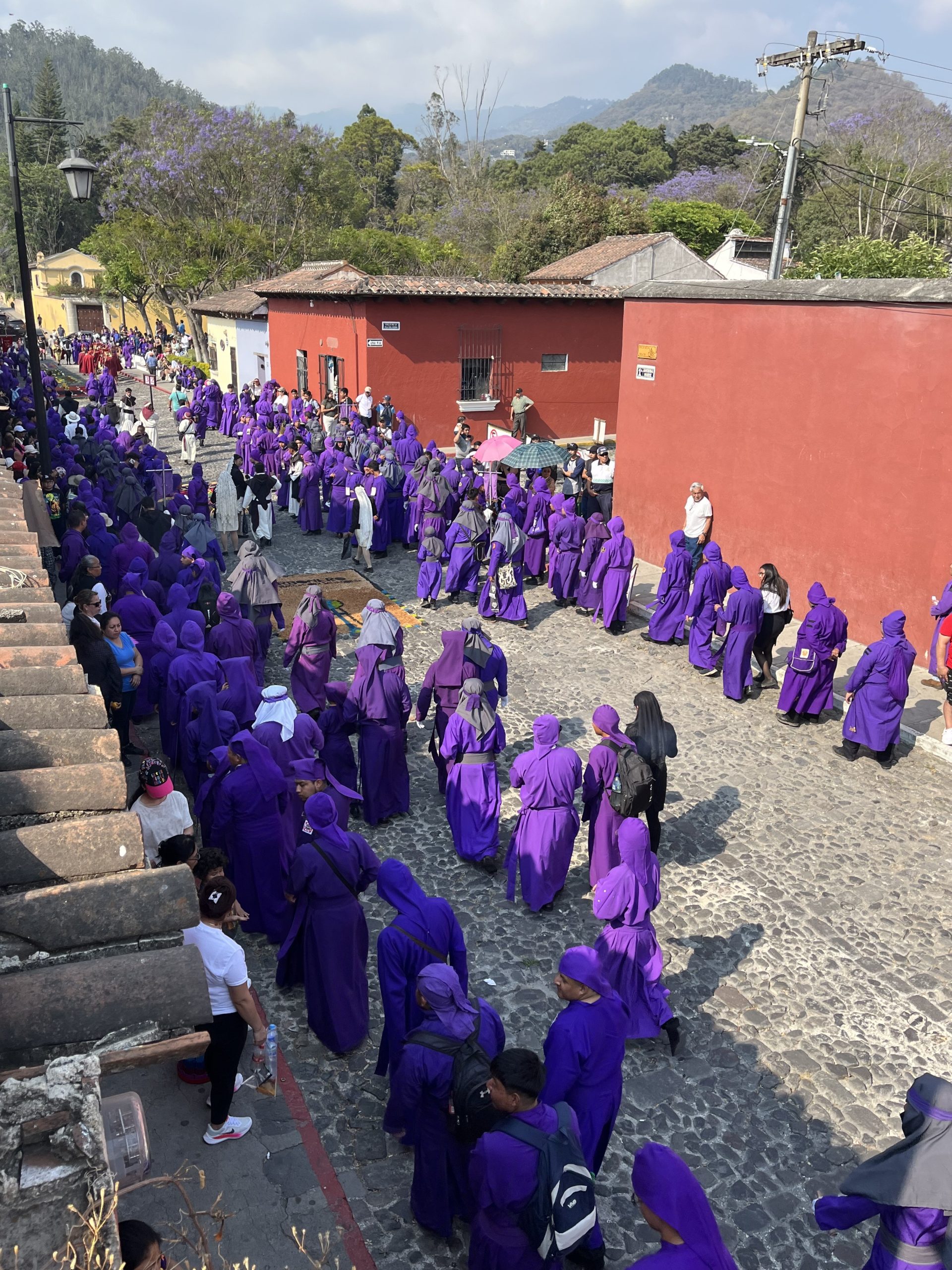
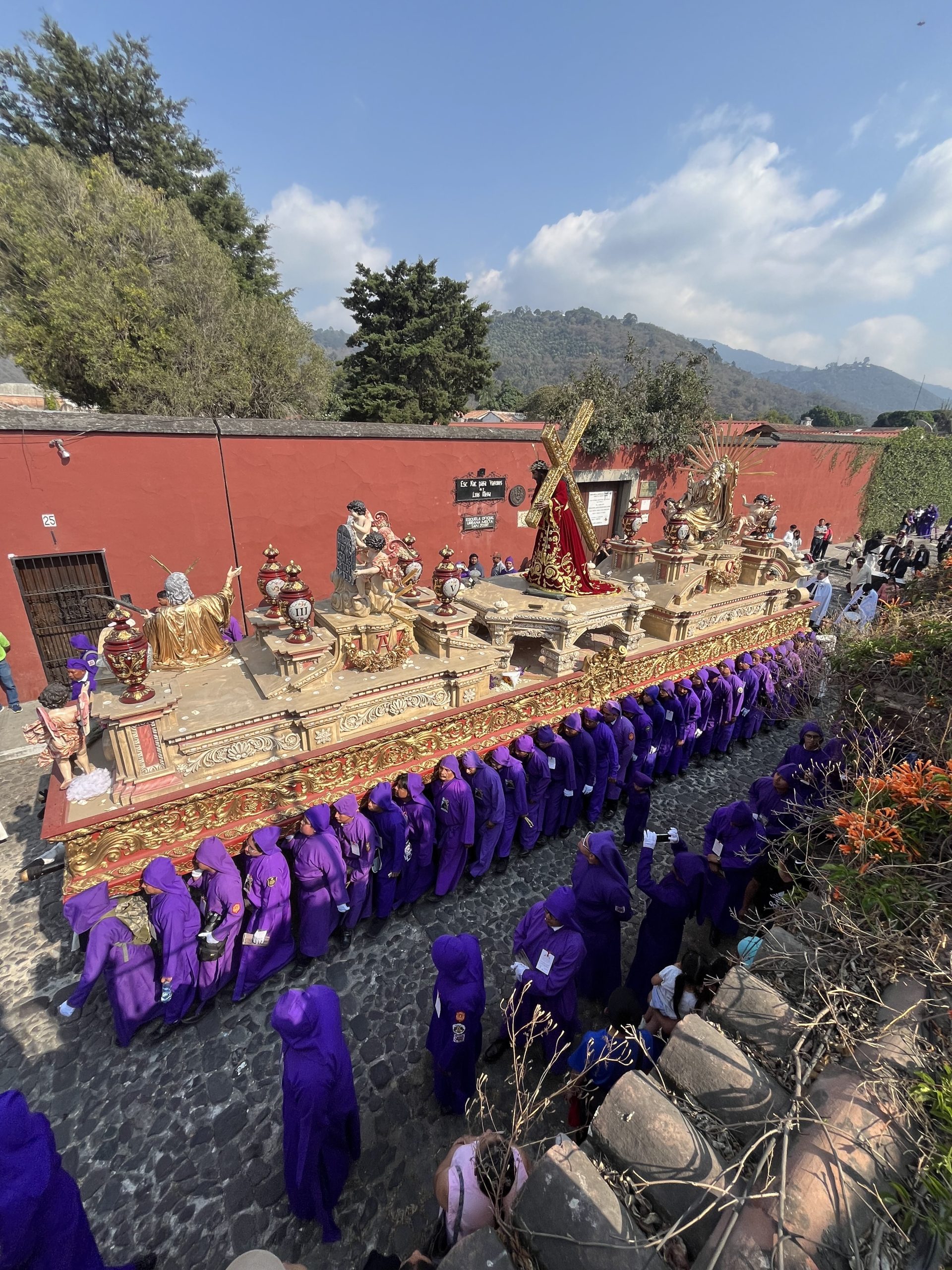
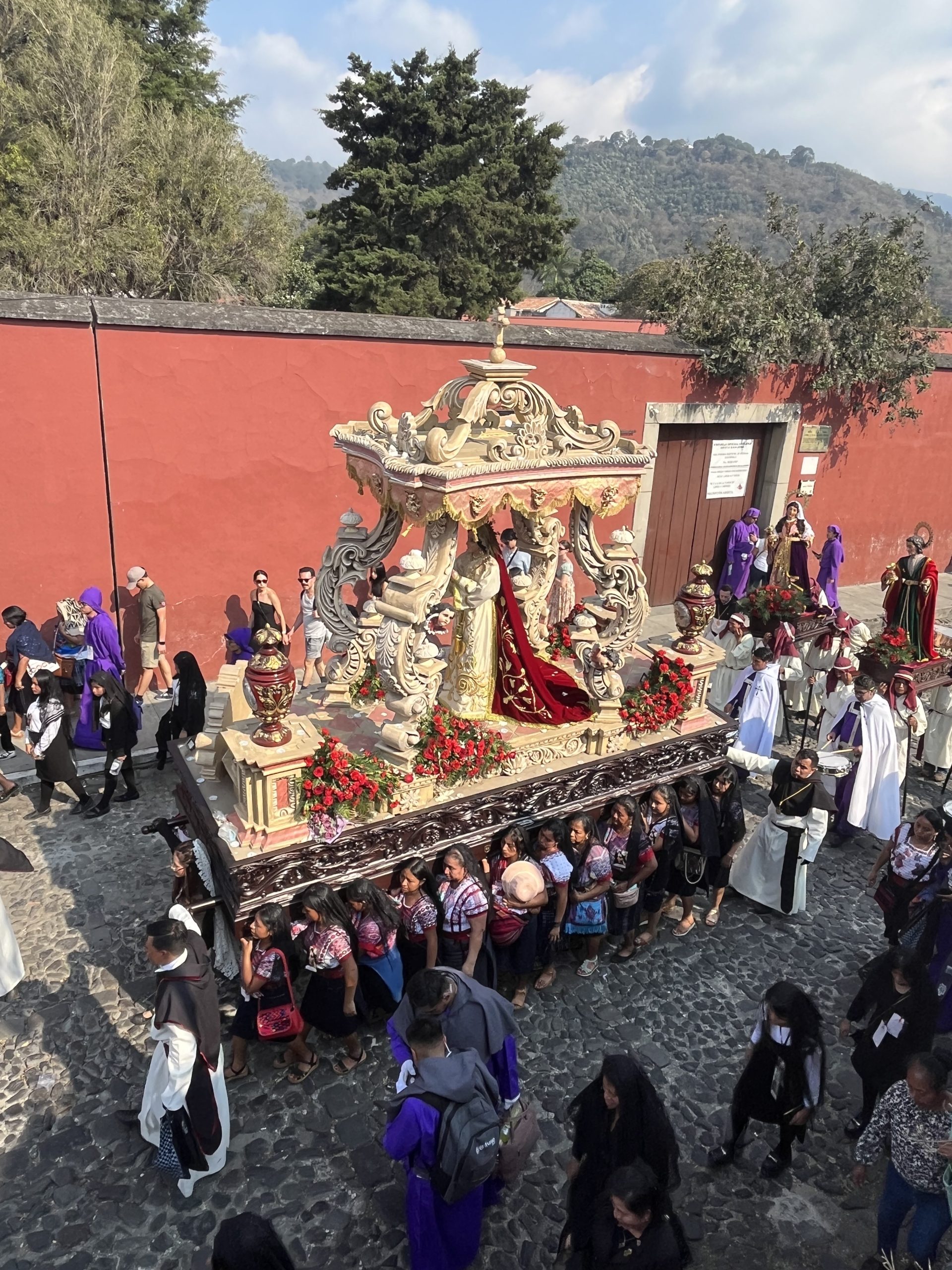
We were in Antigua during the 40 days of Cuaresma, Lent. Religious processions depicting the Passion of Christ were taking place each weekend. One of the processions passed along our street. Alfombras, carpets on the cobbled streets, made of coloured sawdust, pine needles, nuts and seeds, flower petals and fruit were created in advance of the procession, only to be swept away by the parade. Beautiful but transient Art.
Conrado Choguaj served once again as our driver.
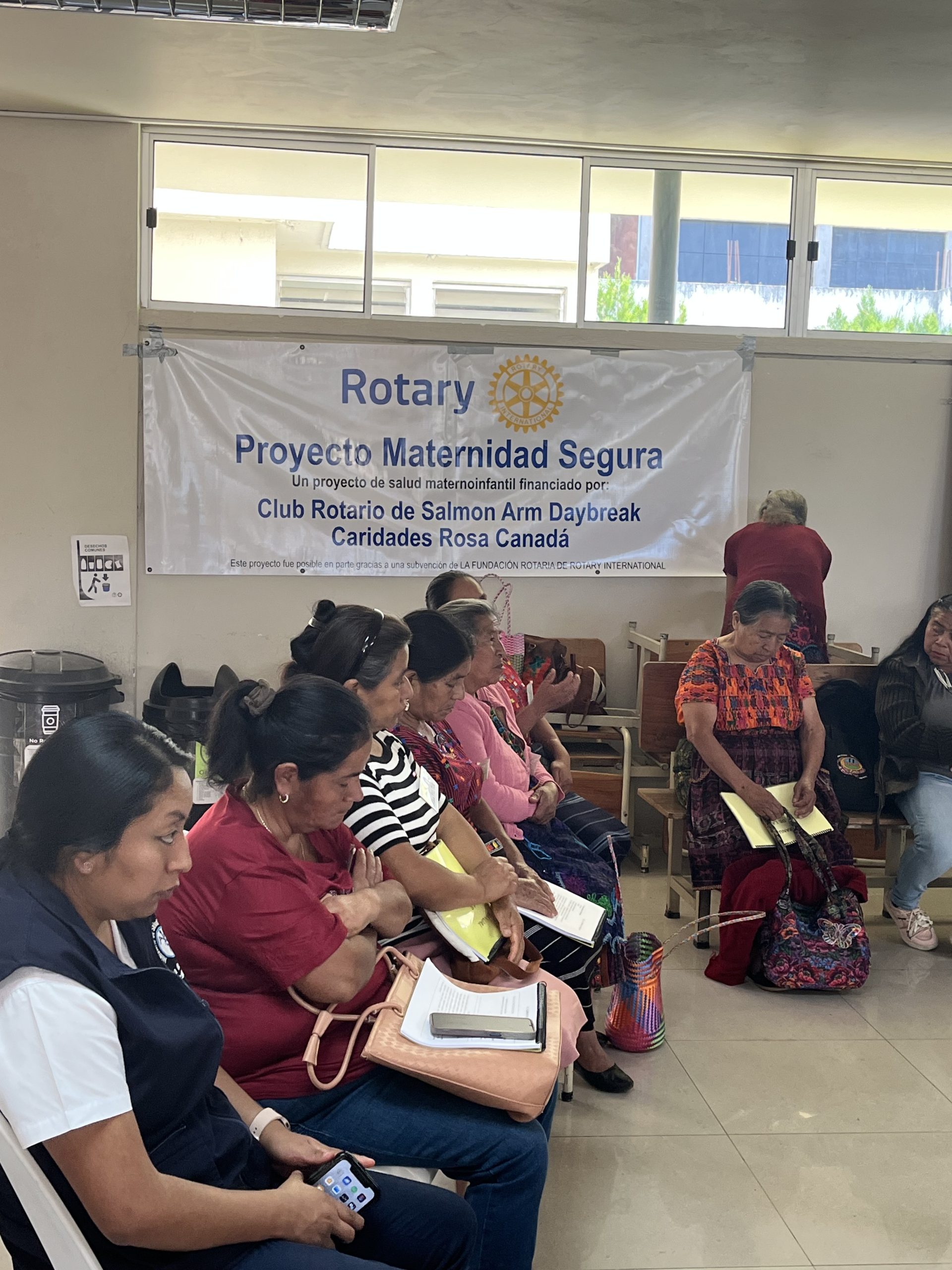
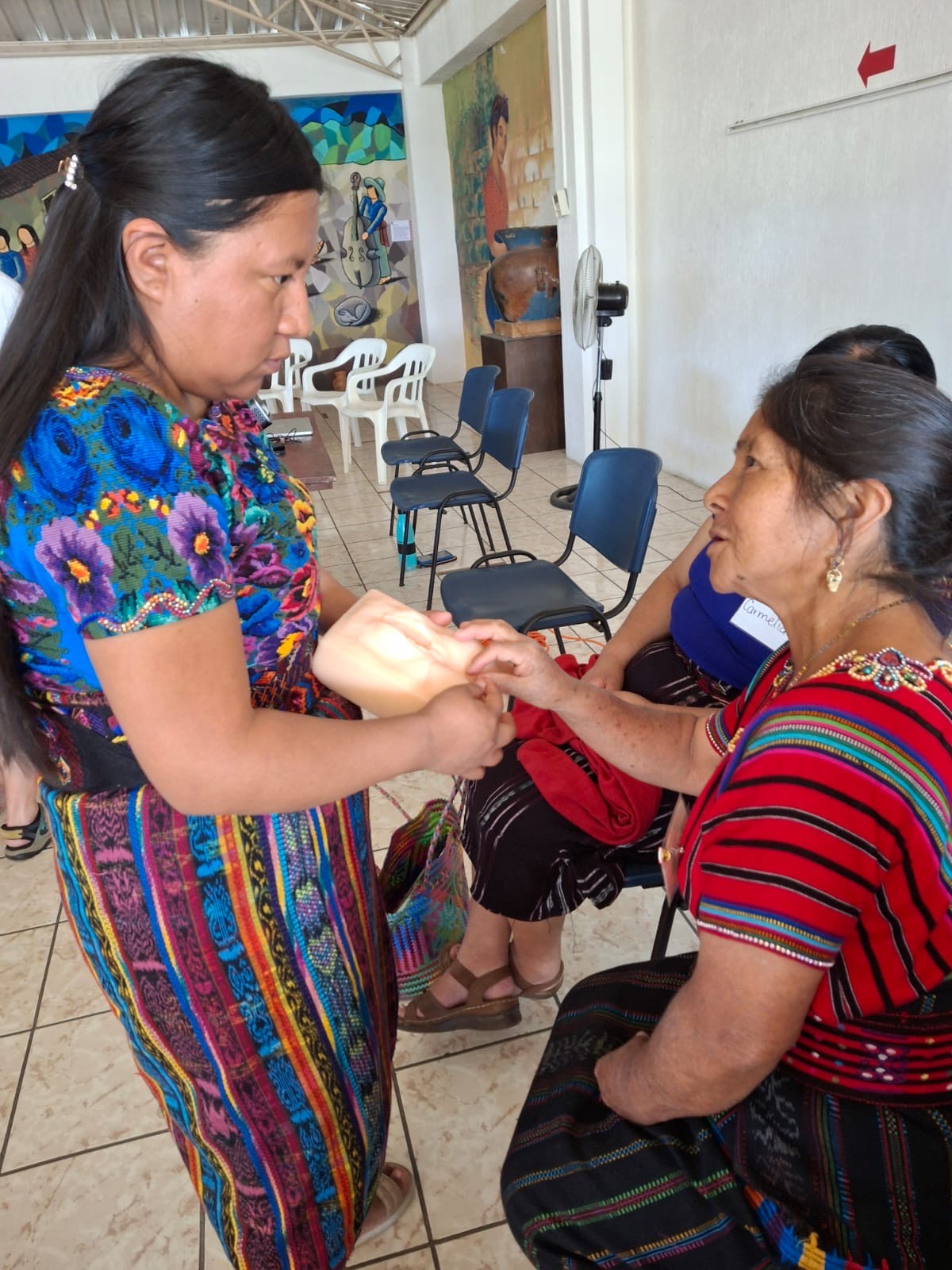
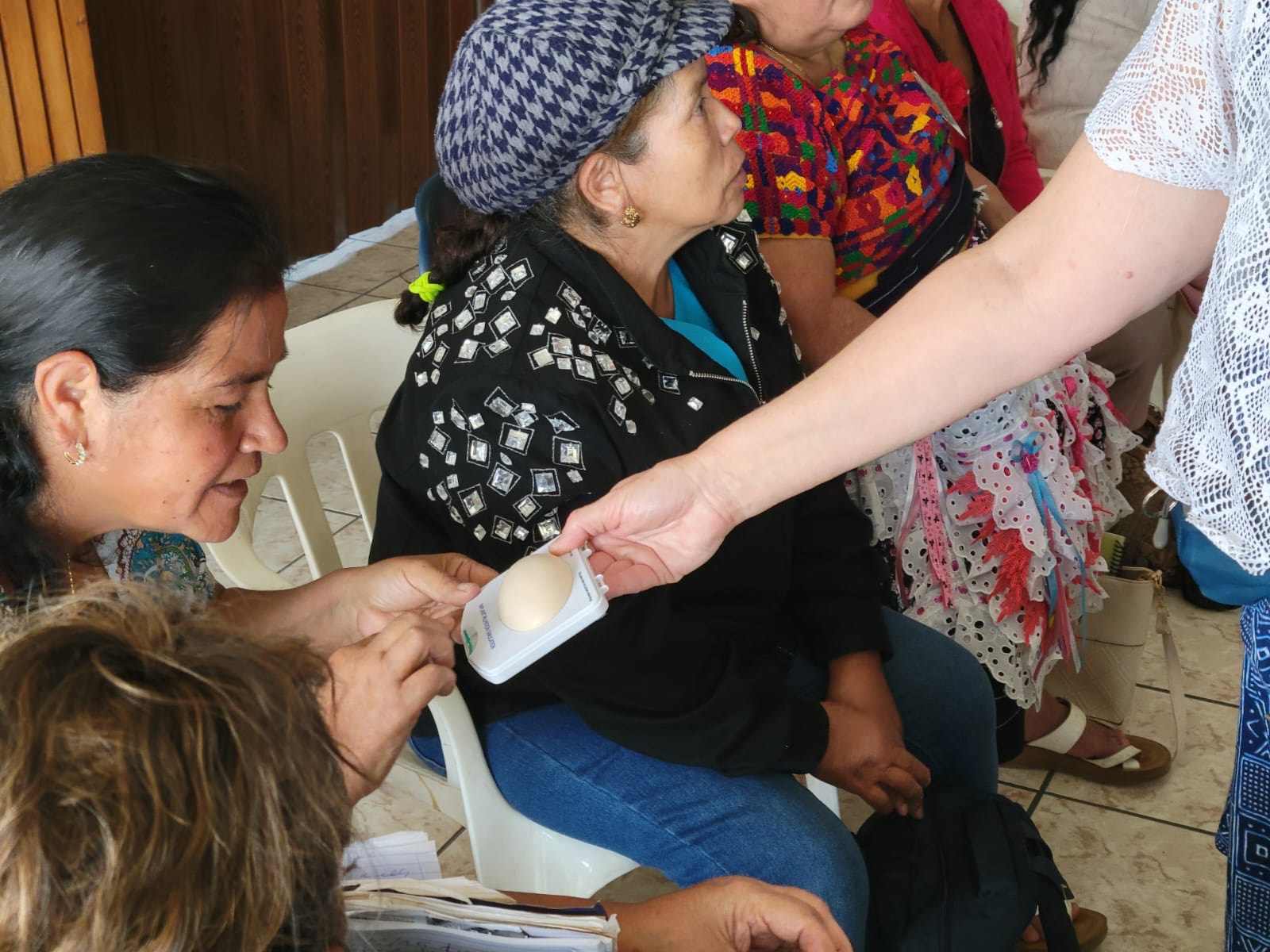
Our course, after 23 years, has been fine tuned, but is much the same as we have described previously. This year we received a very generous regional grant from the Daybreak Rotary Club in Salmon Arm to update some teaching models and help with our inventory of birth kit supplies.
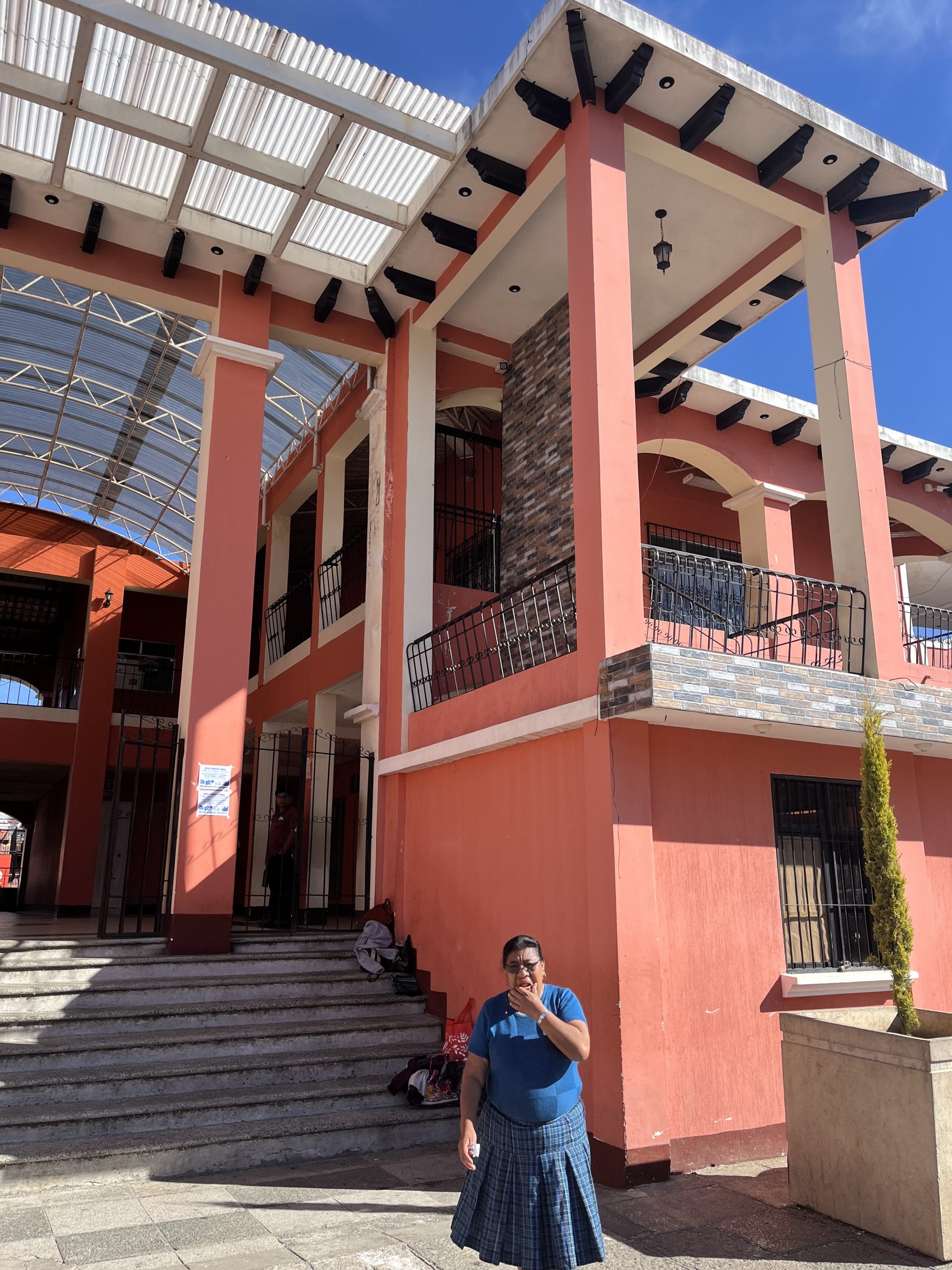
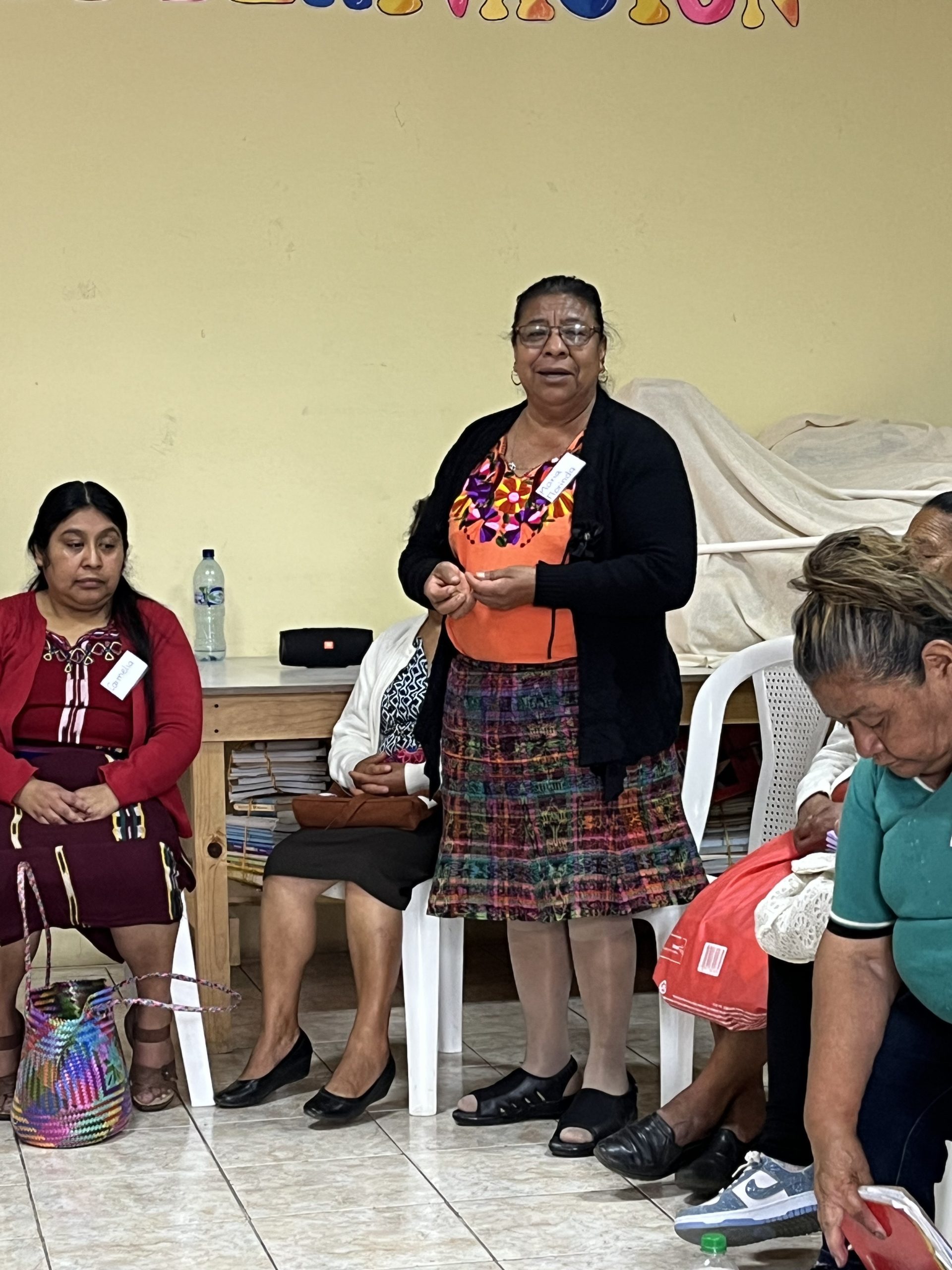
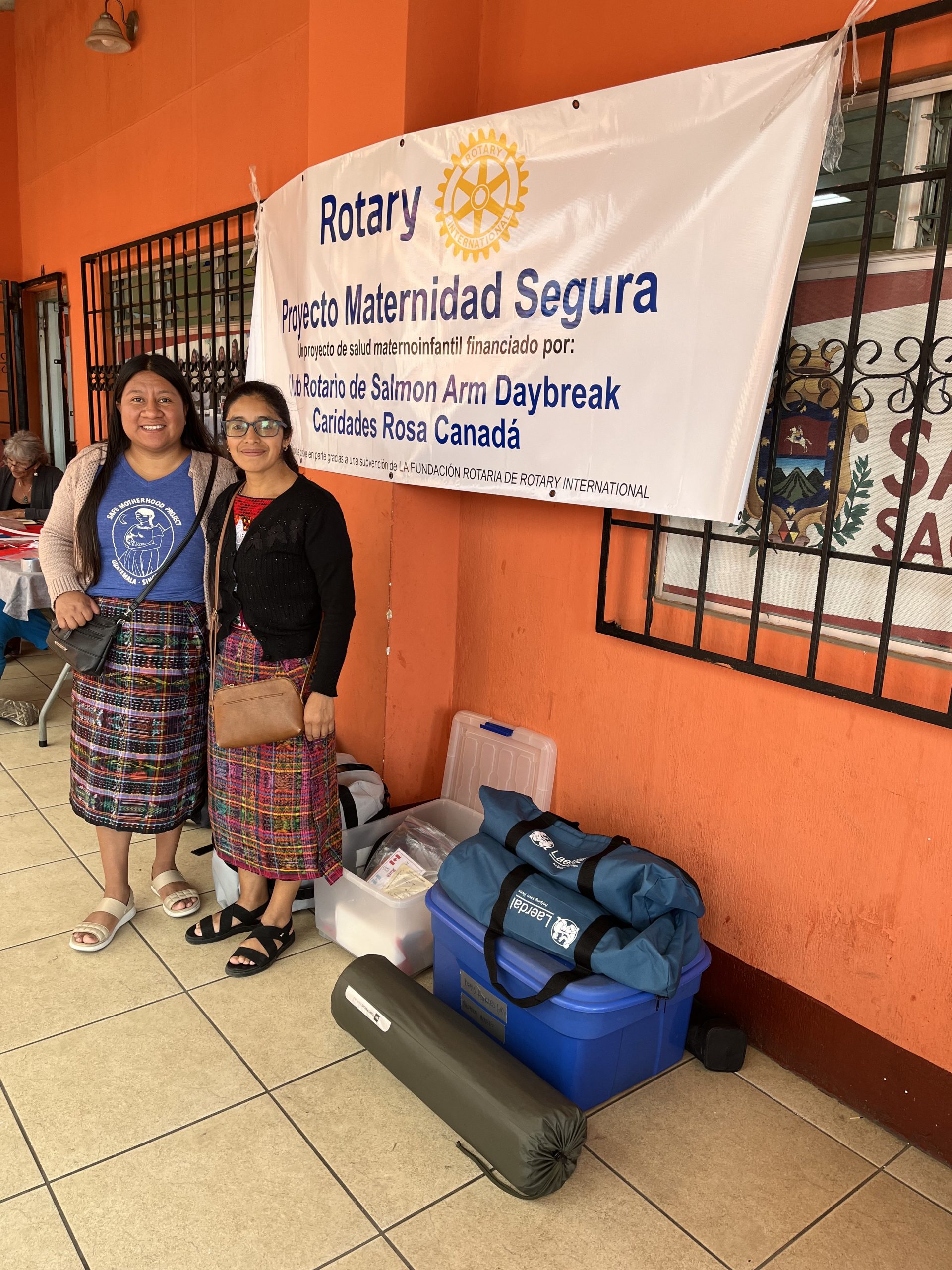
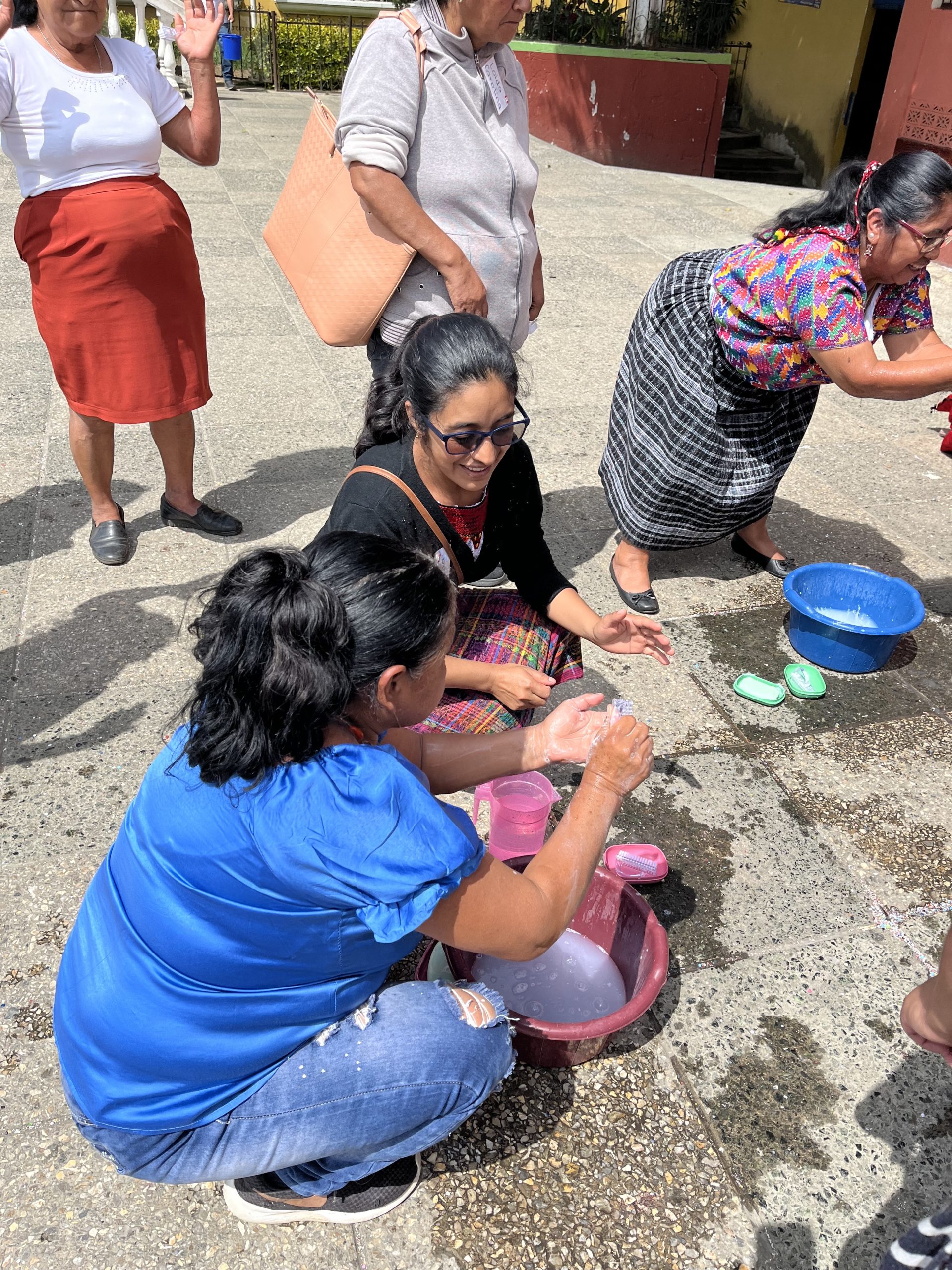
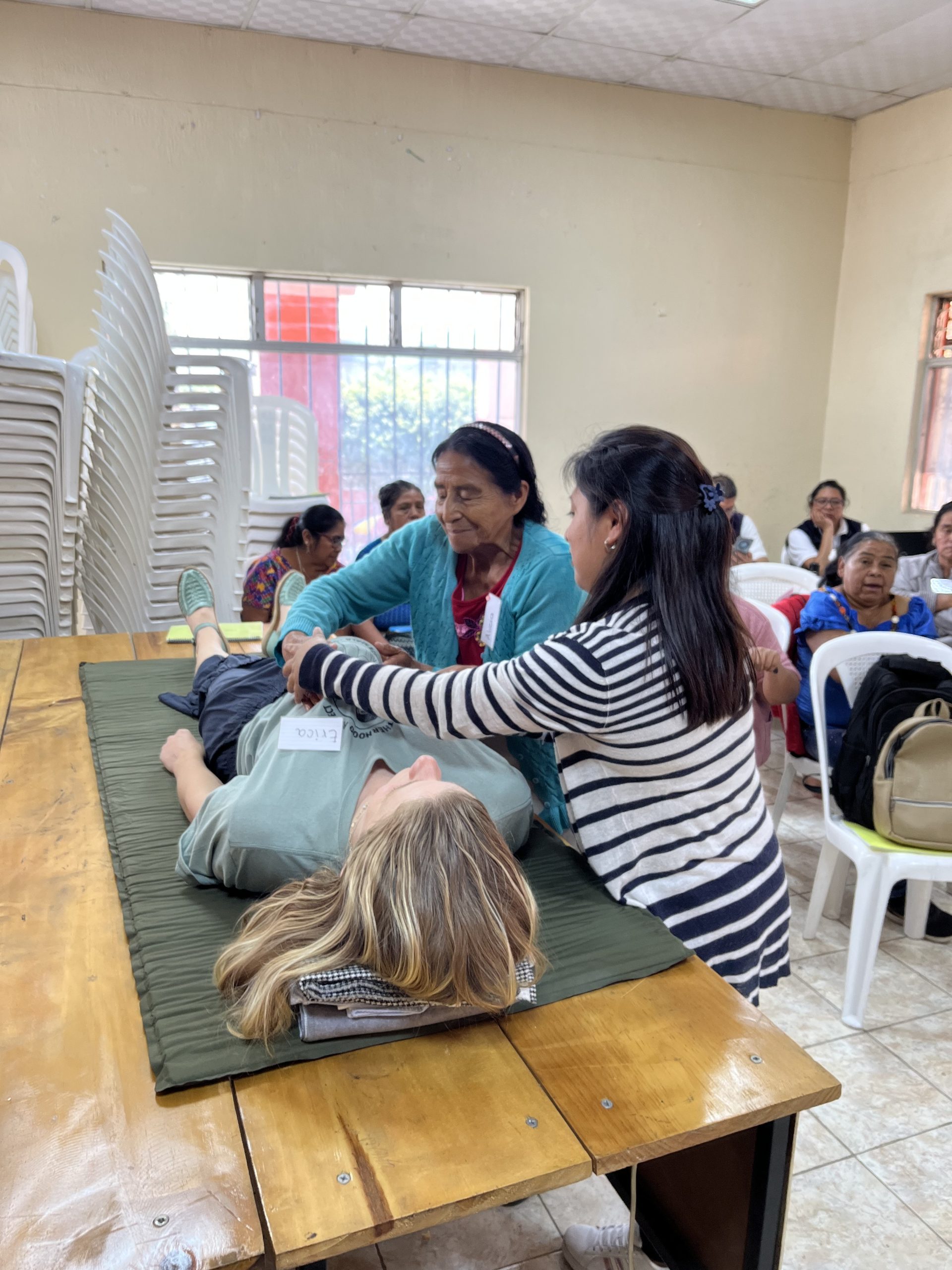
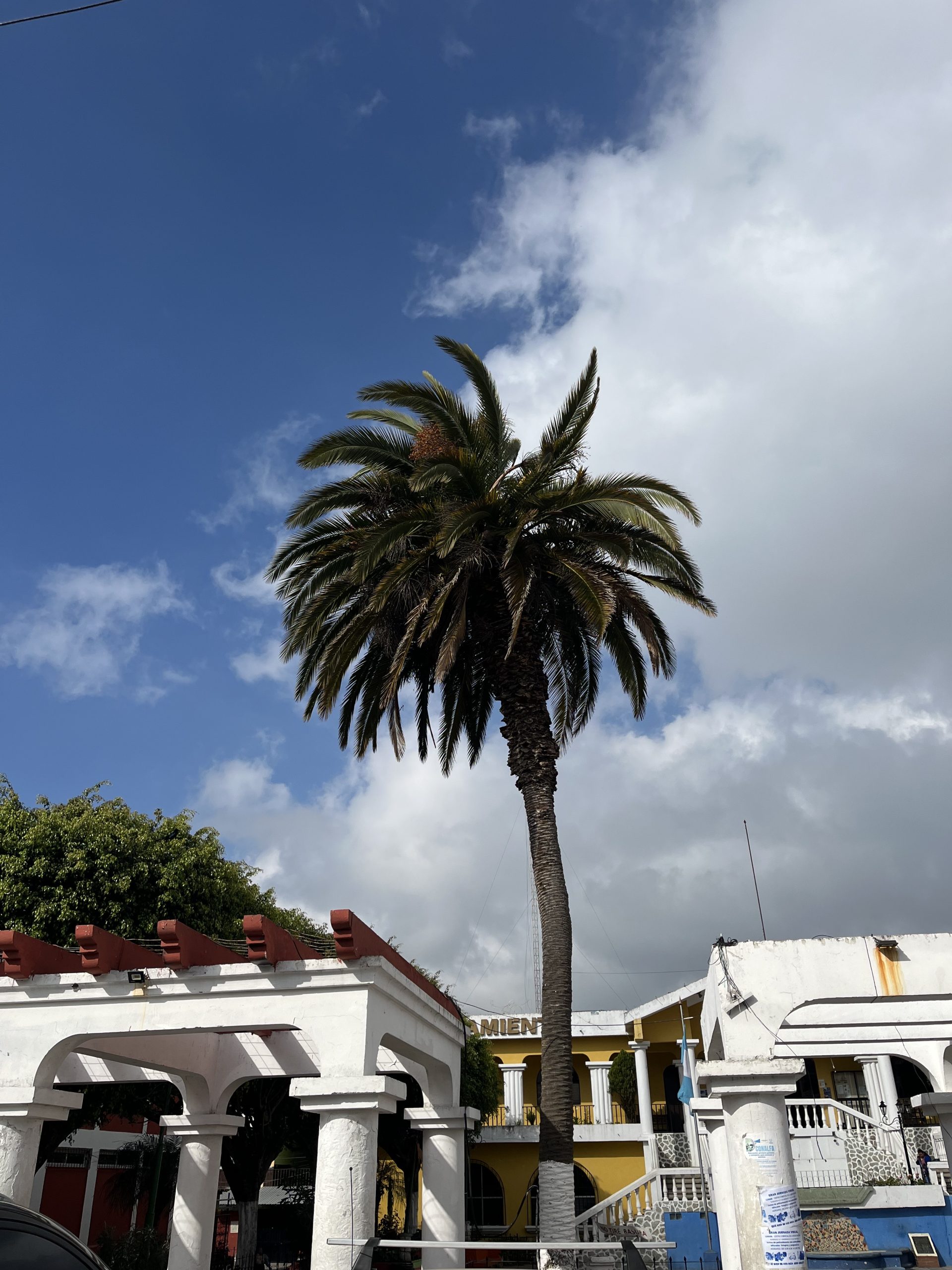
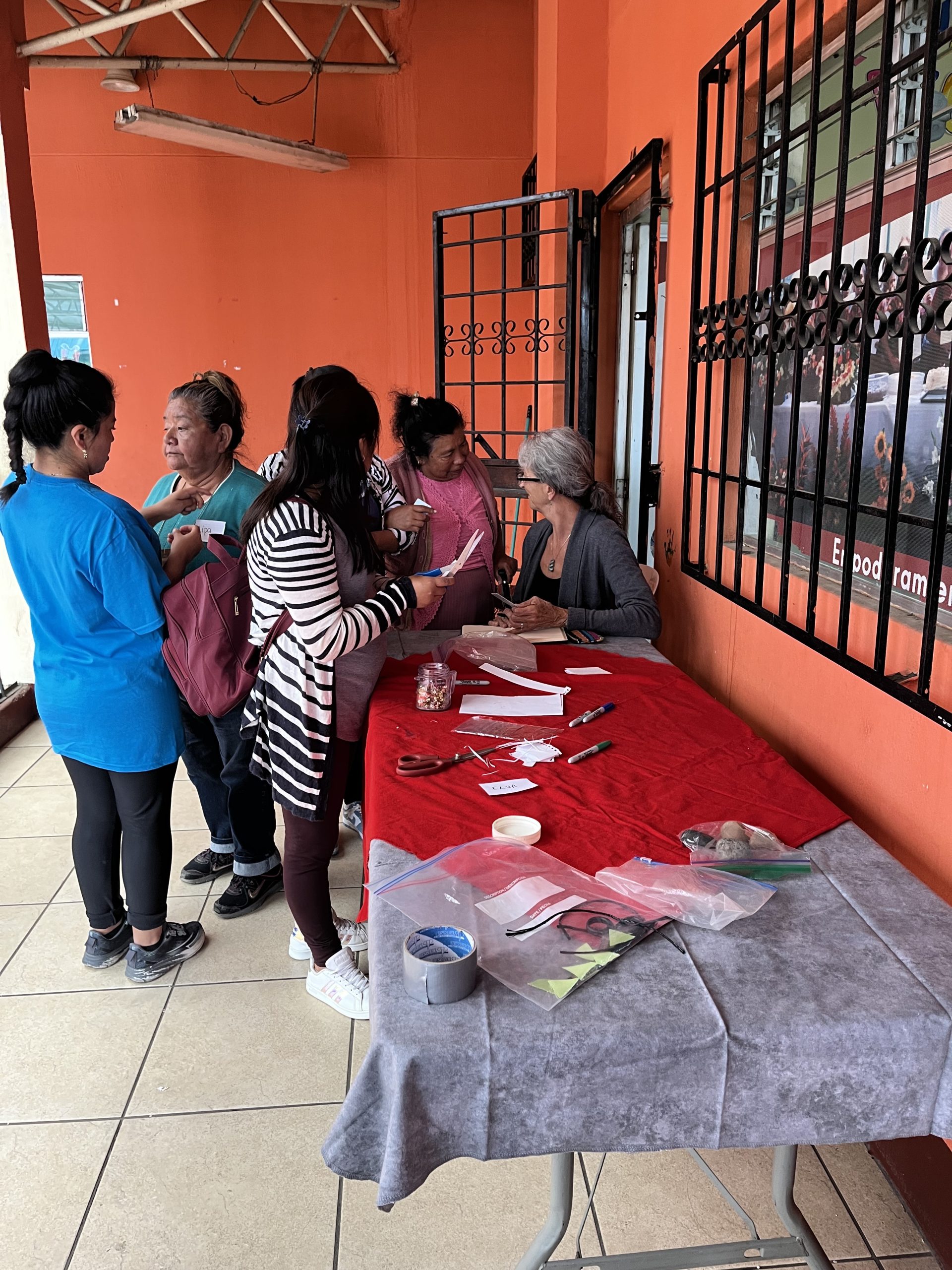
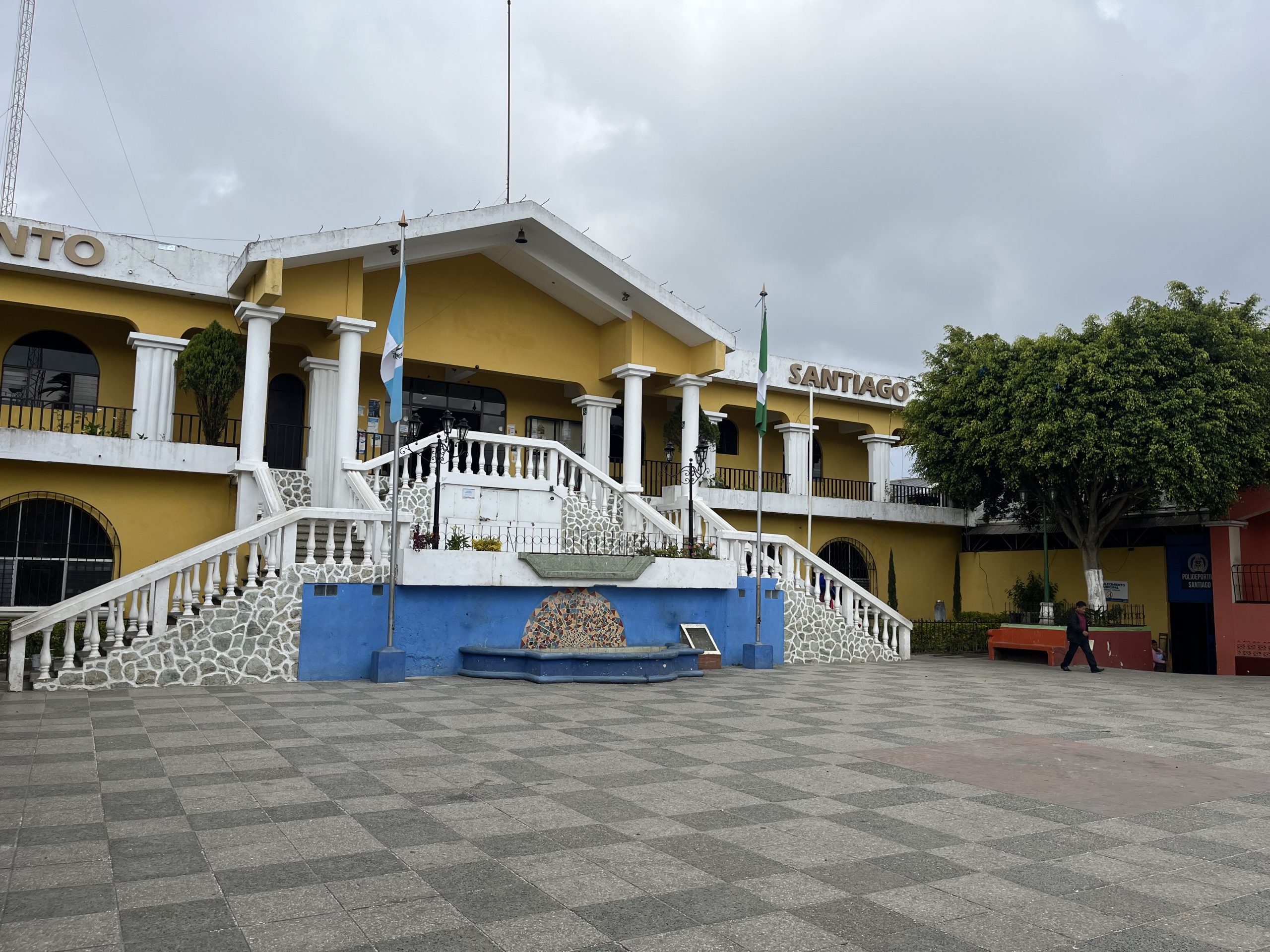
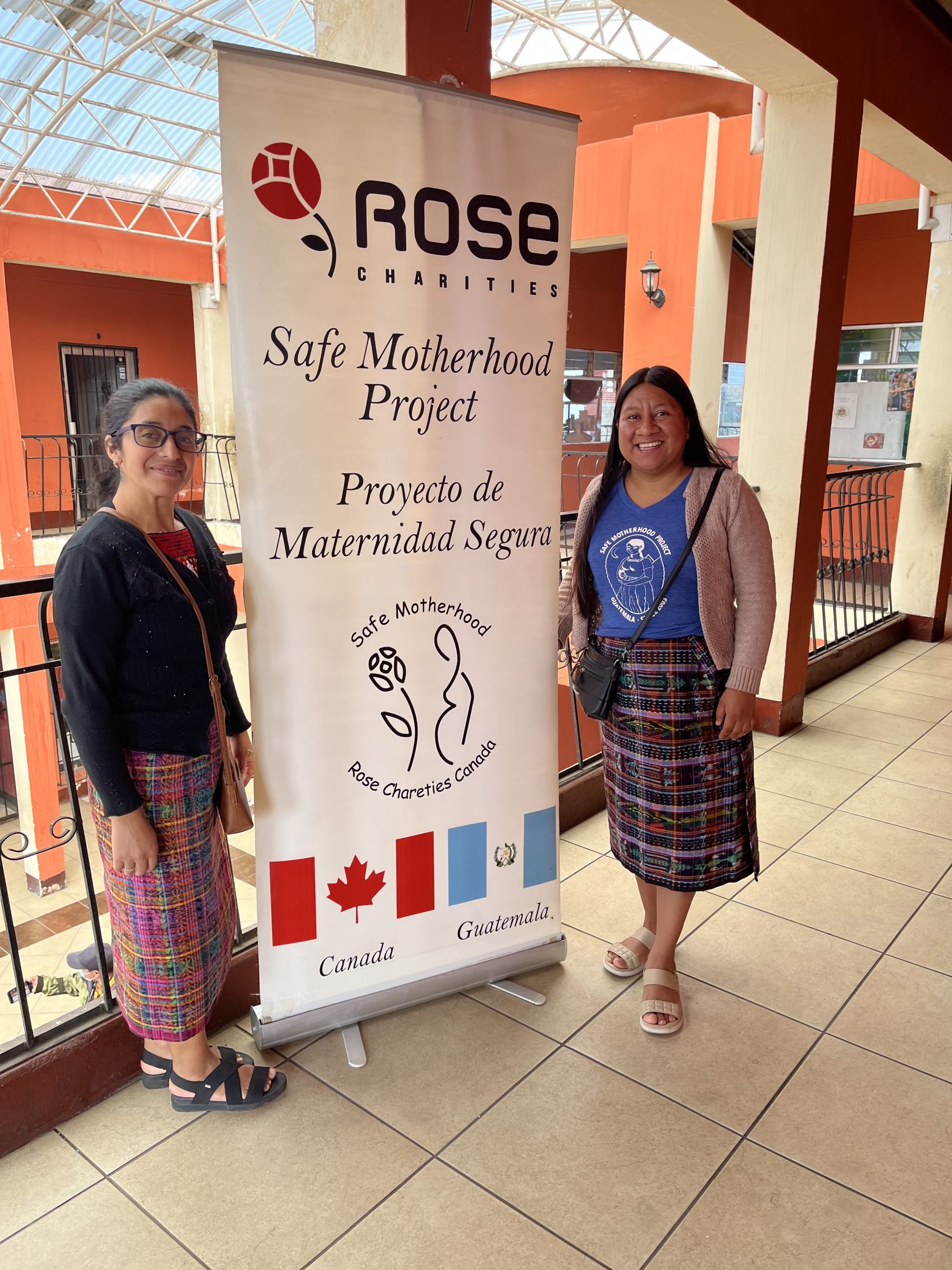
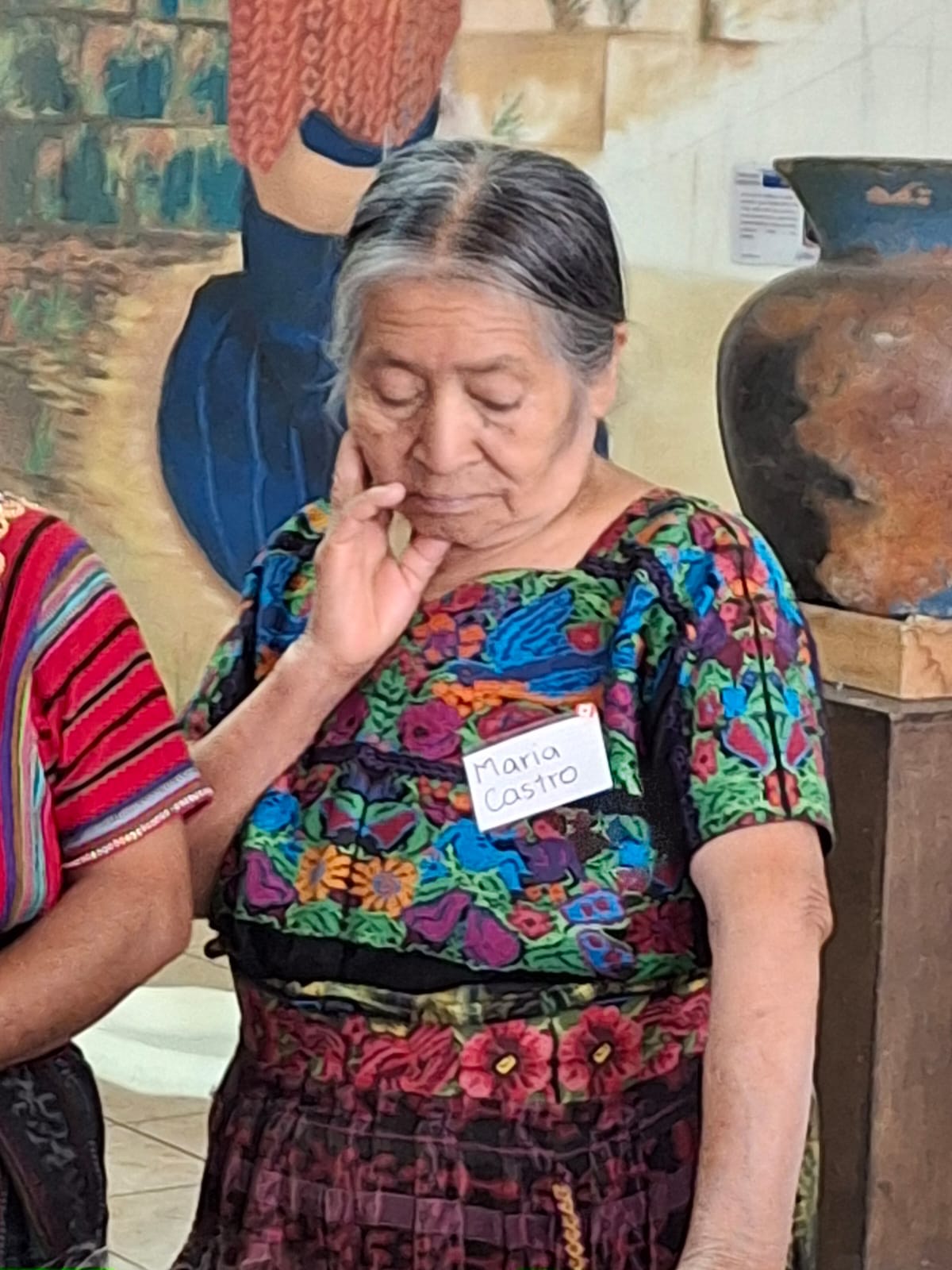
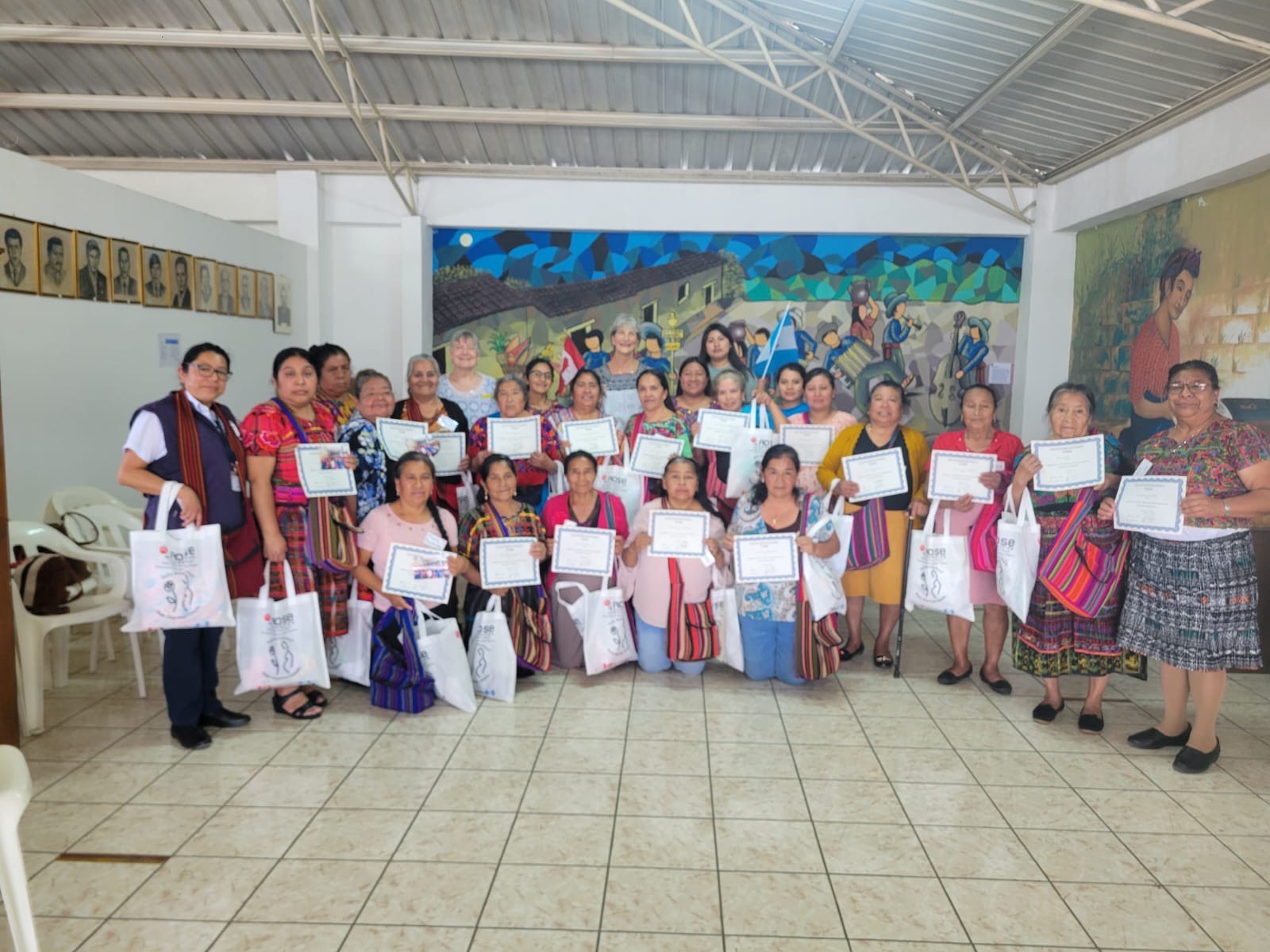
We taught 20 comadronas this year. We had one comadrona attend for one day; Lucia was 96 year old, and though retired now, she had attended births in her community for 60 years. She said, “I can’t see very well, now. And I can’t hear very well, but I would like to be here with my fellow comadronas.”
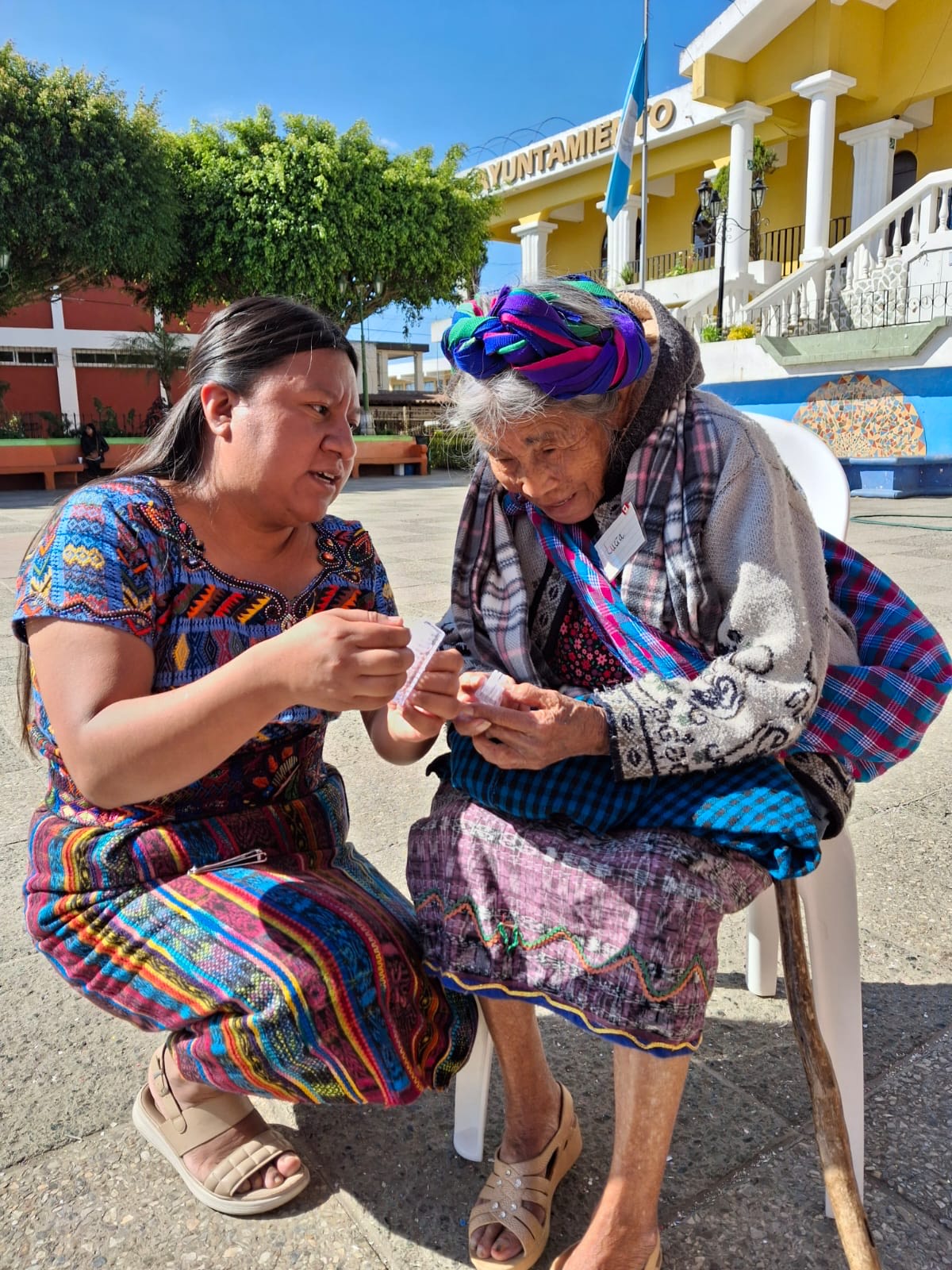
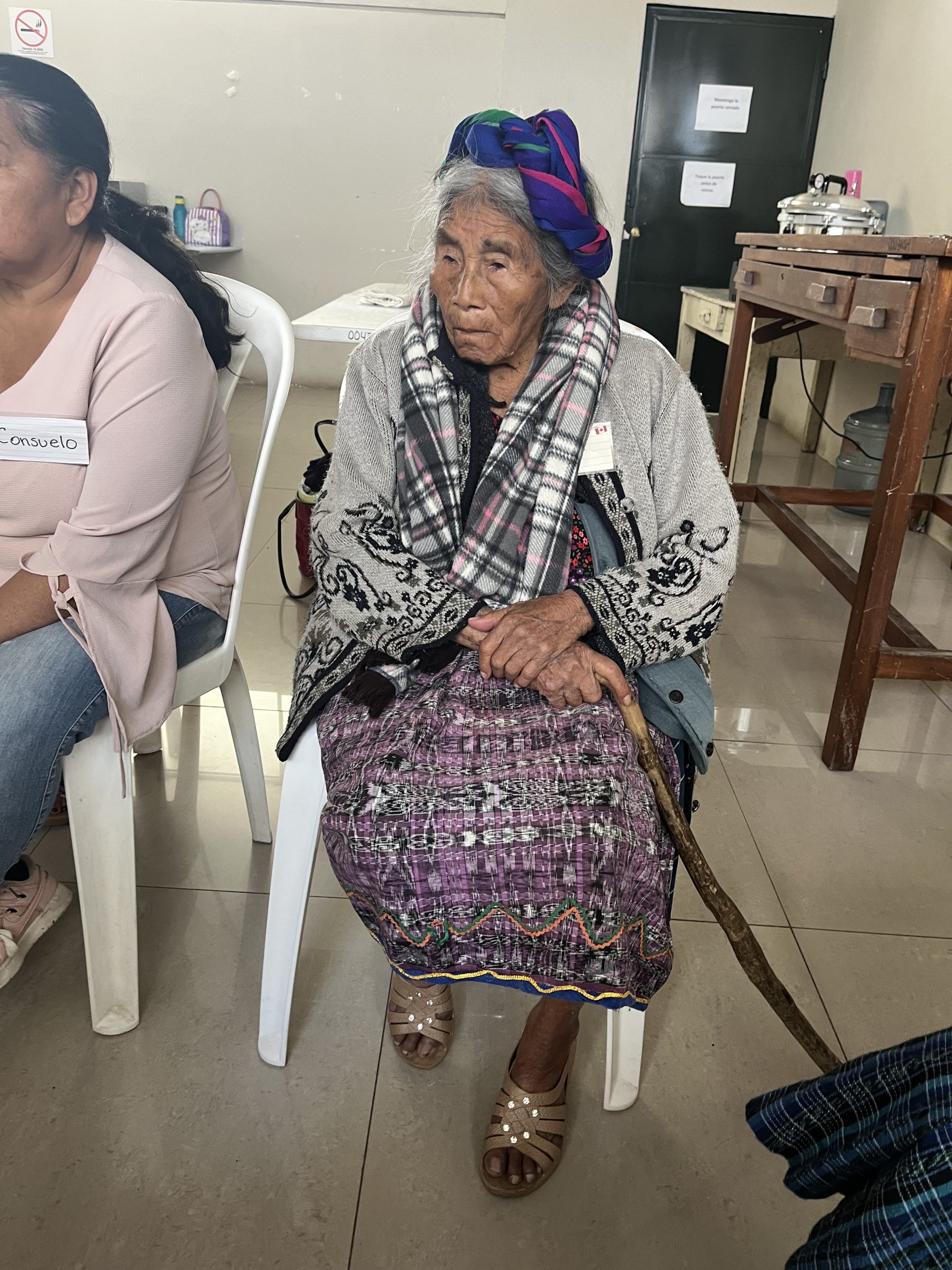
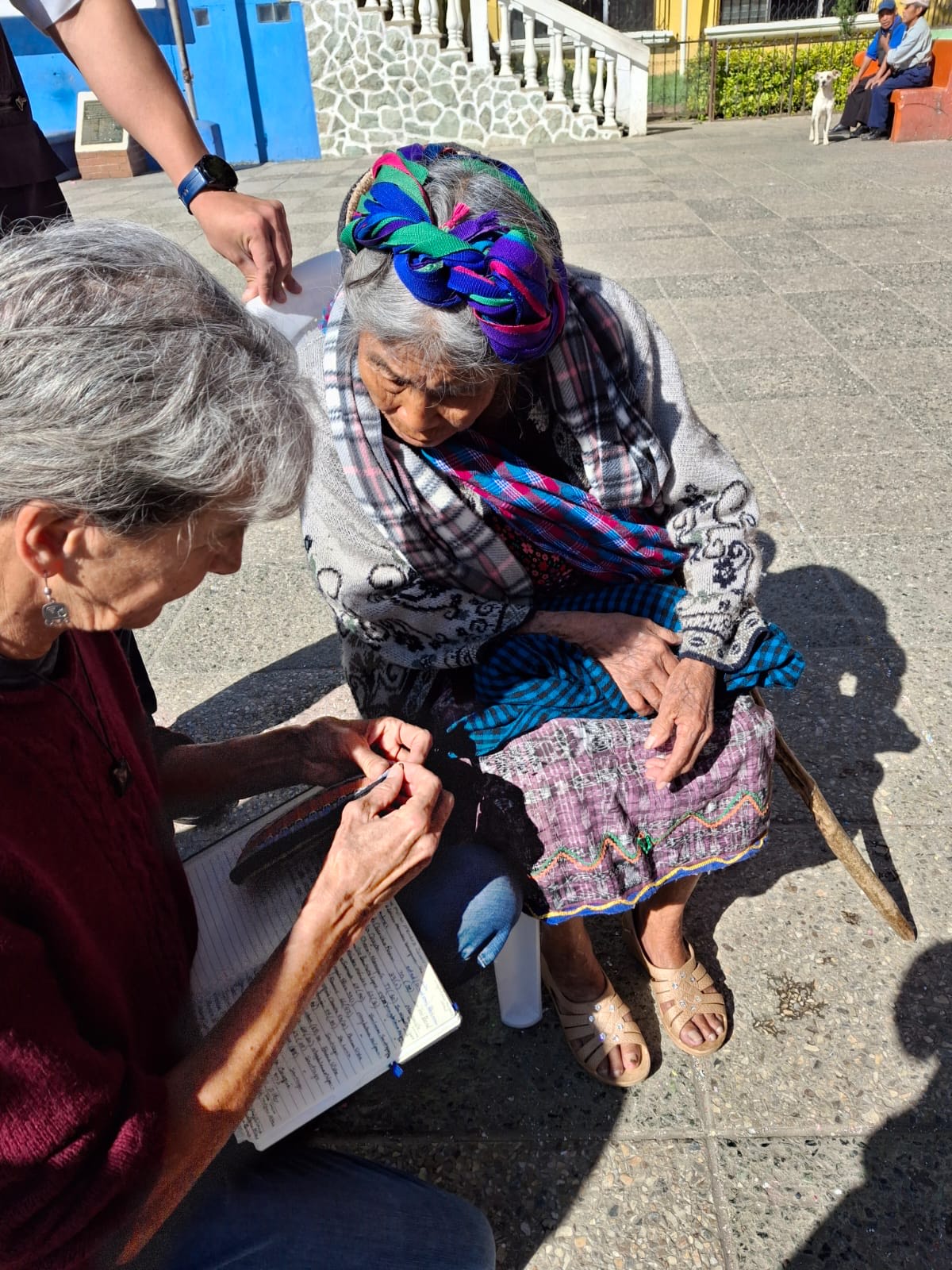
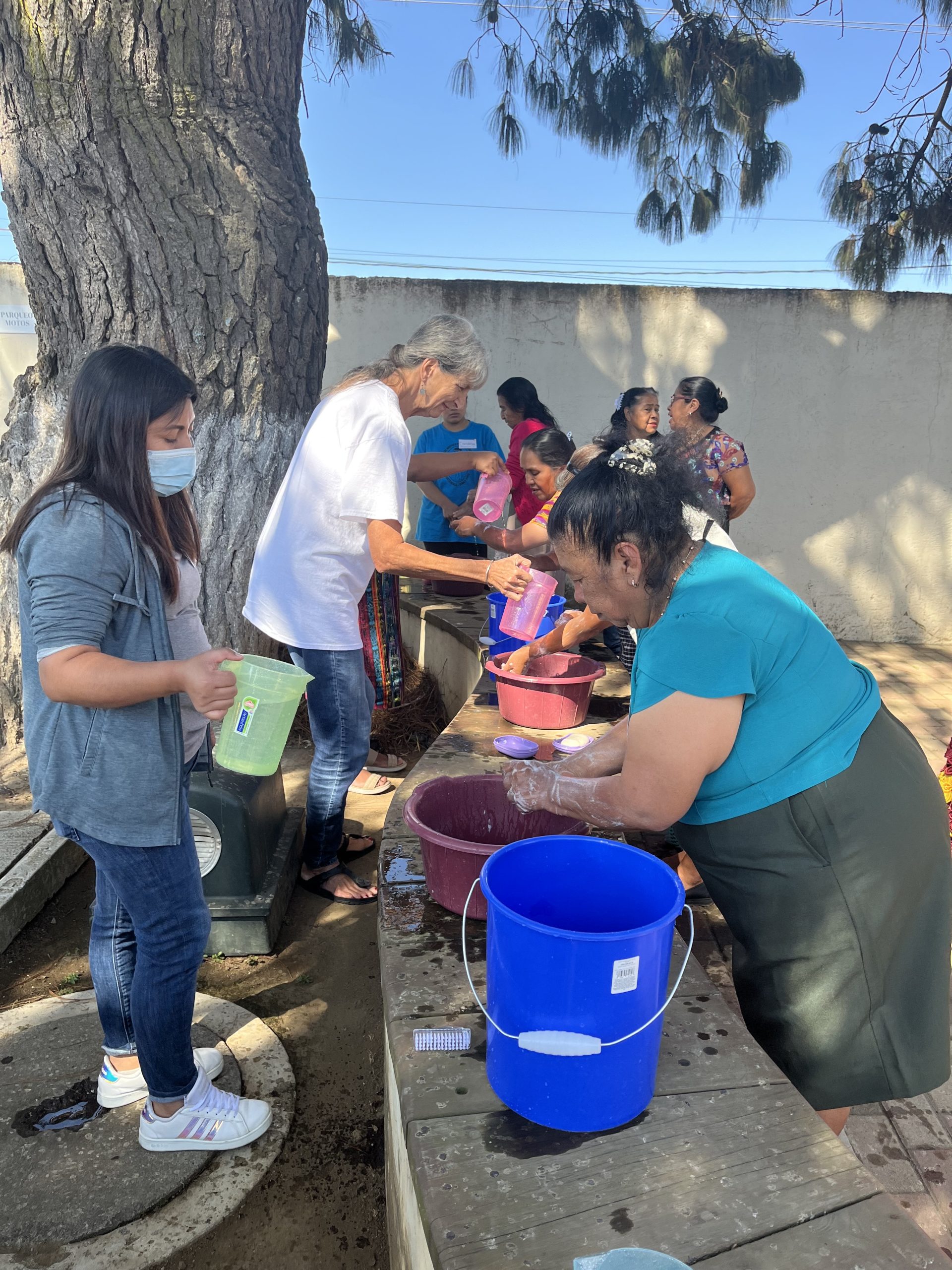
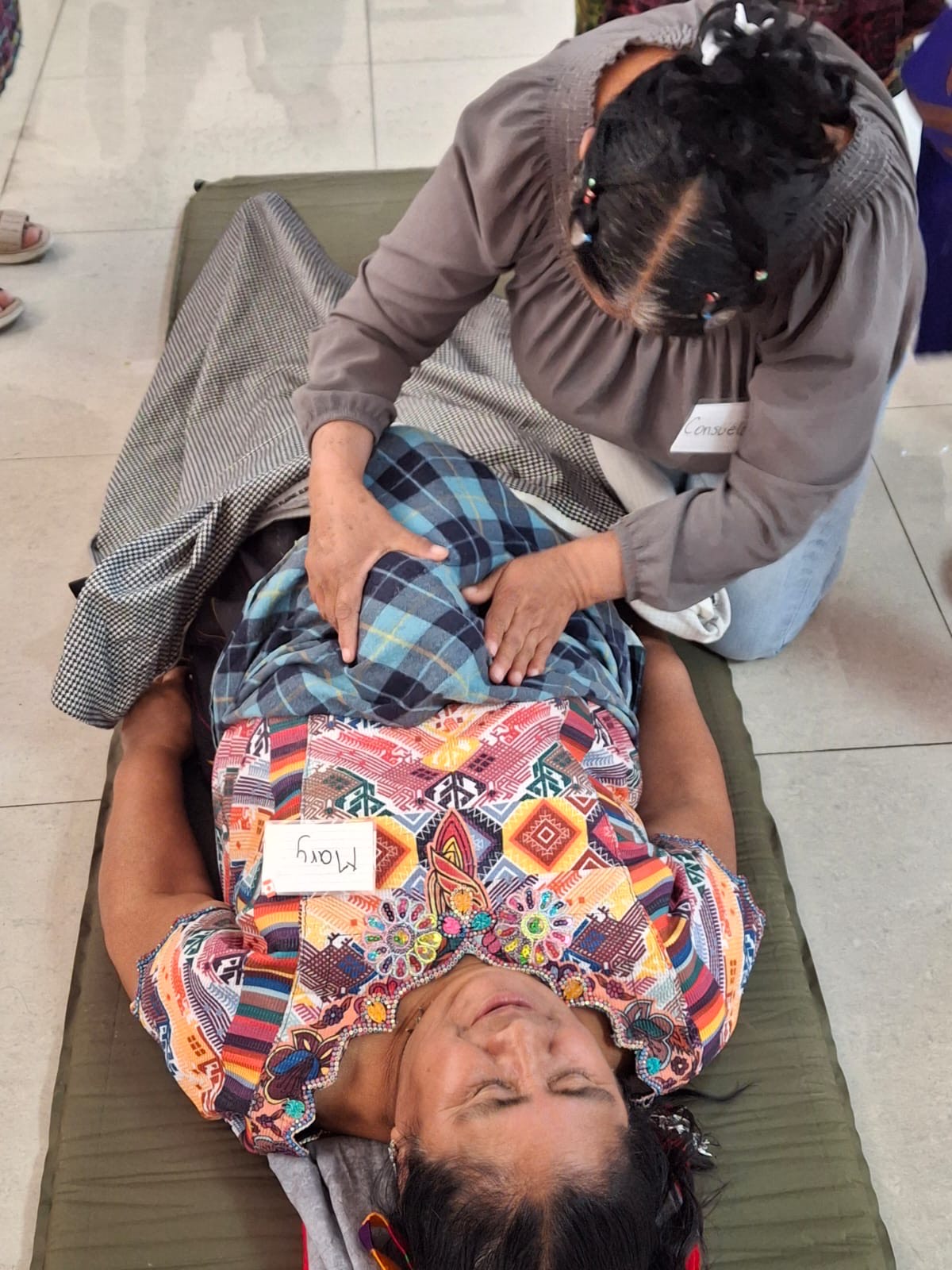
Day 1 – Registration, Introductory talking circle, Causes of maternal and newborn death, Hand washing, Diagnosing pregnancy and identifying risks for the pregnant woman, Leopold’s Manouvres for determining the presentation of baby, head down, breech, or transverse.
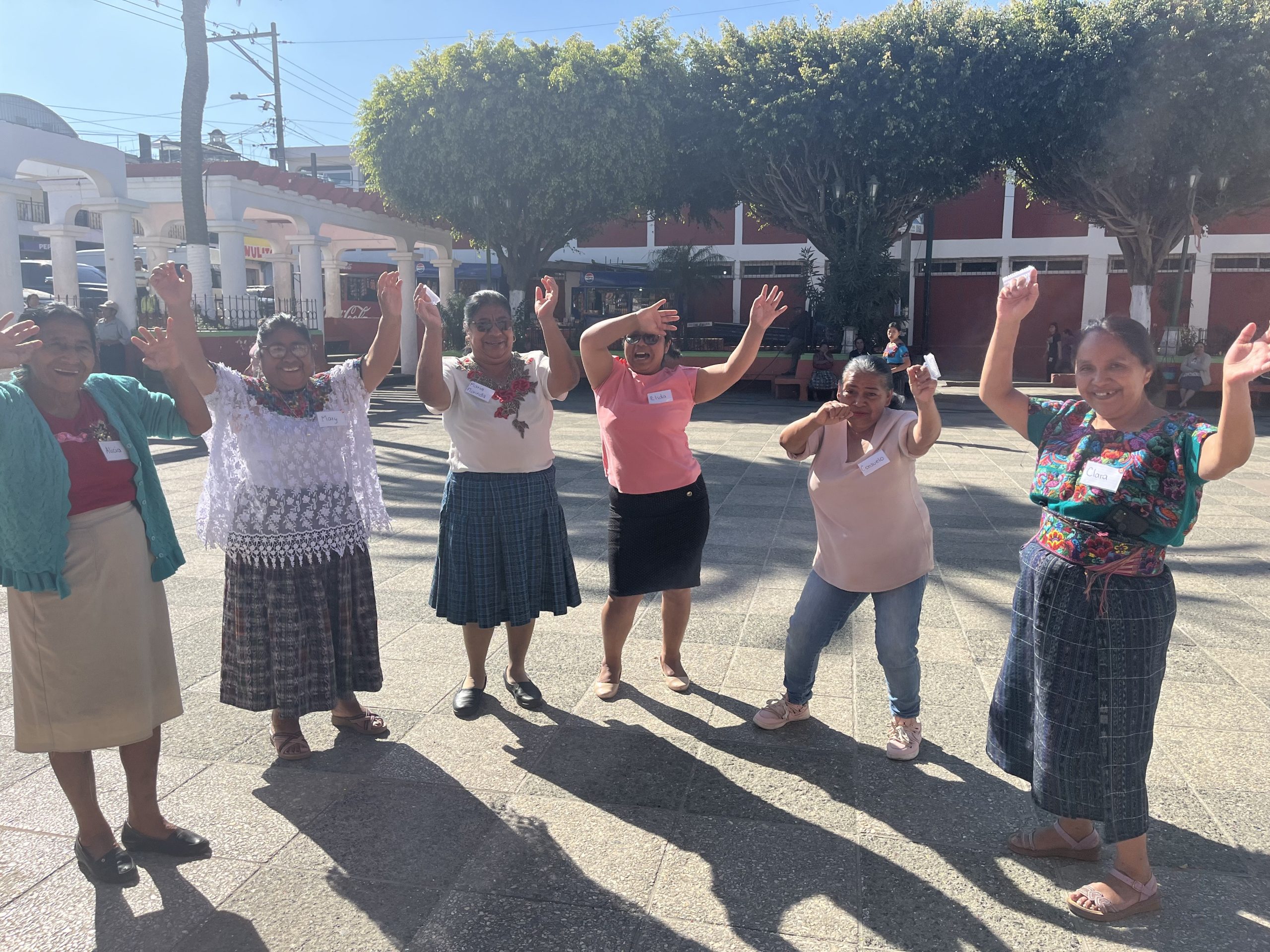
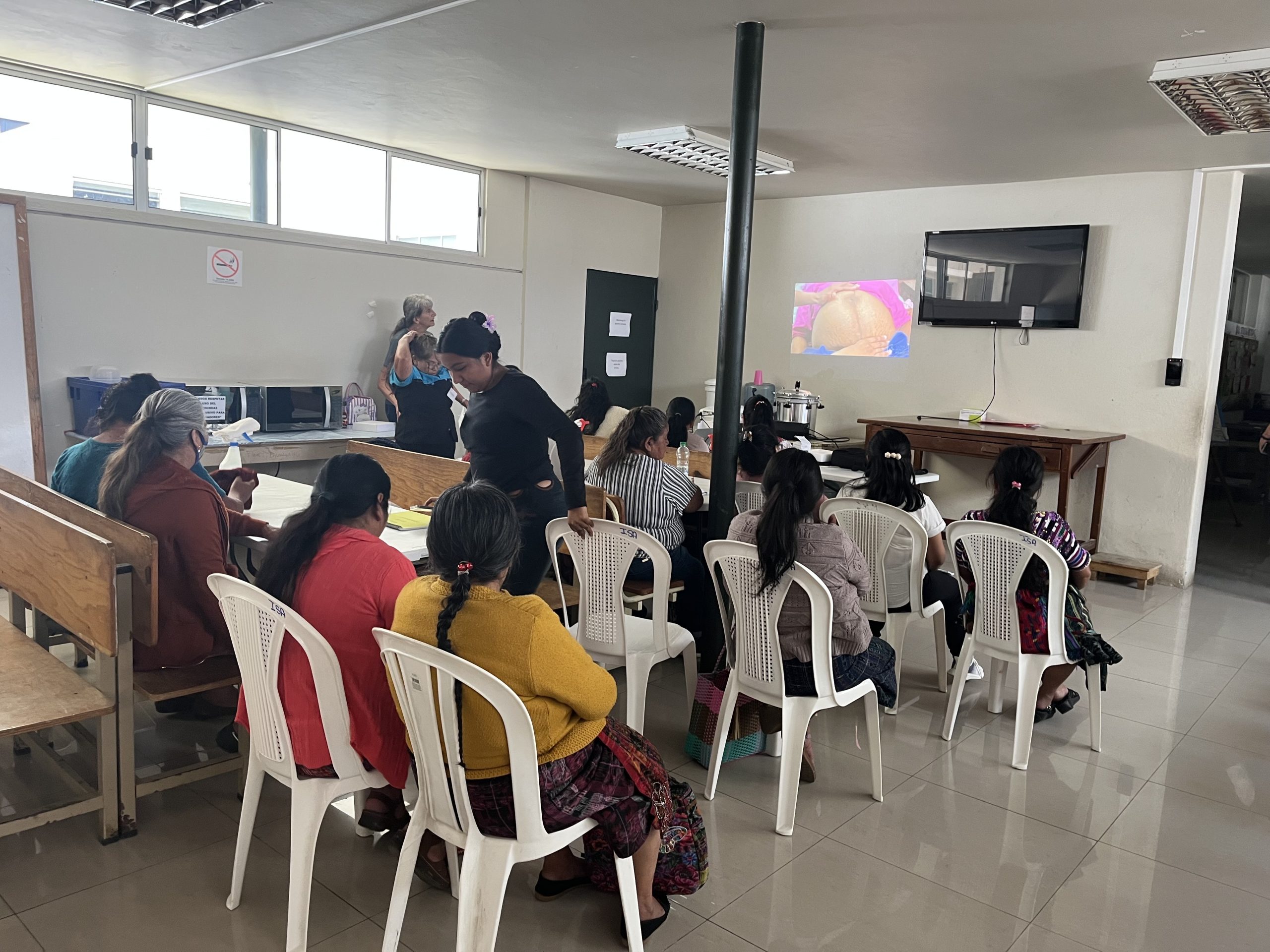
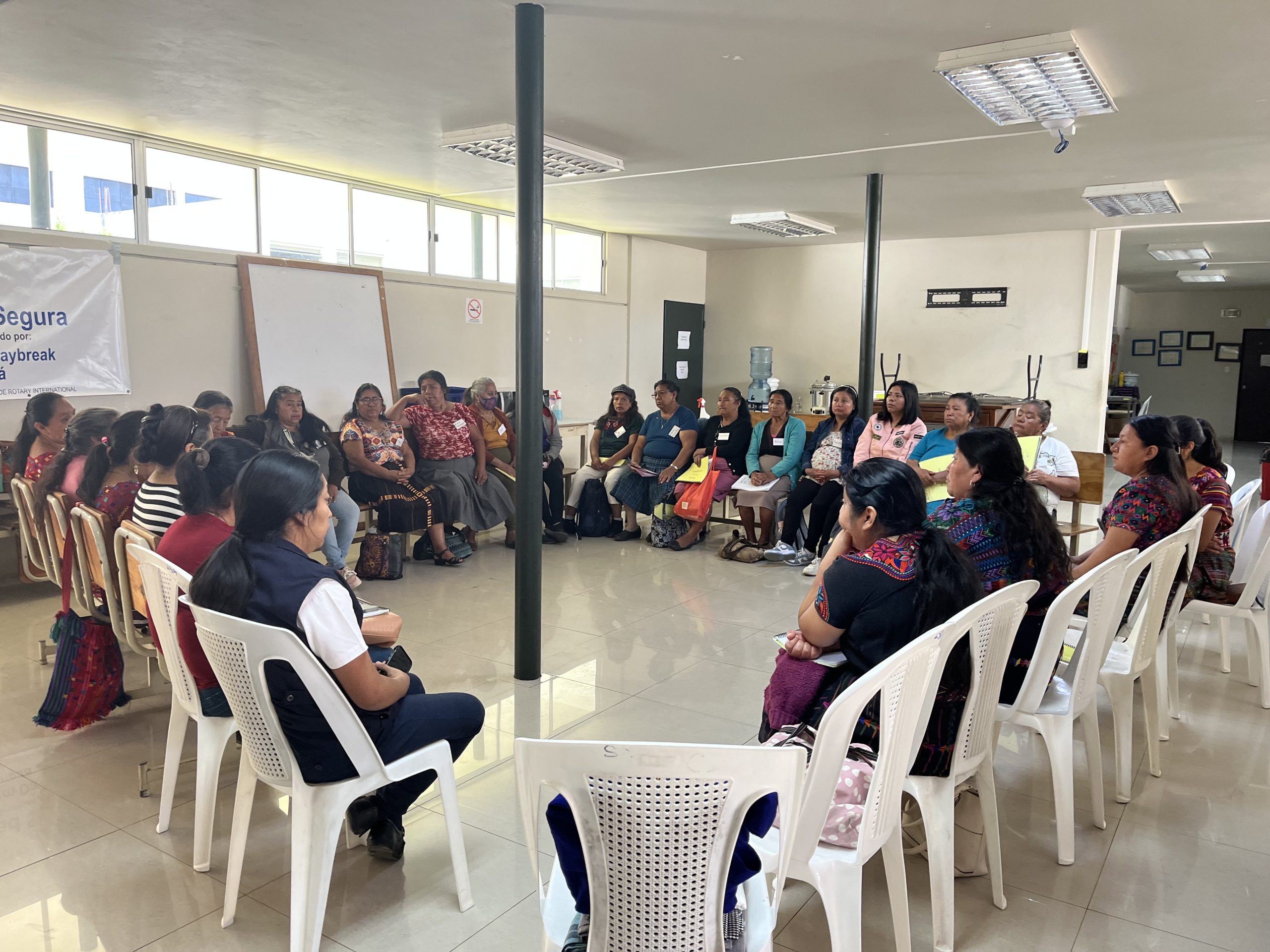
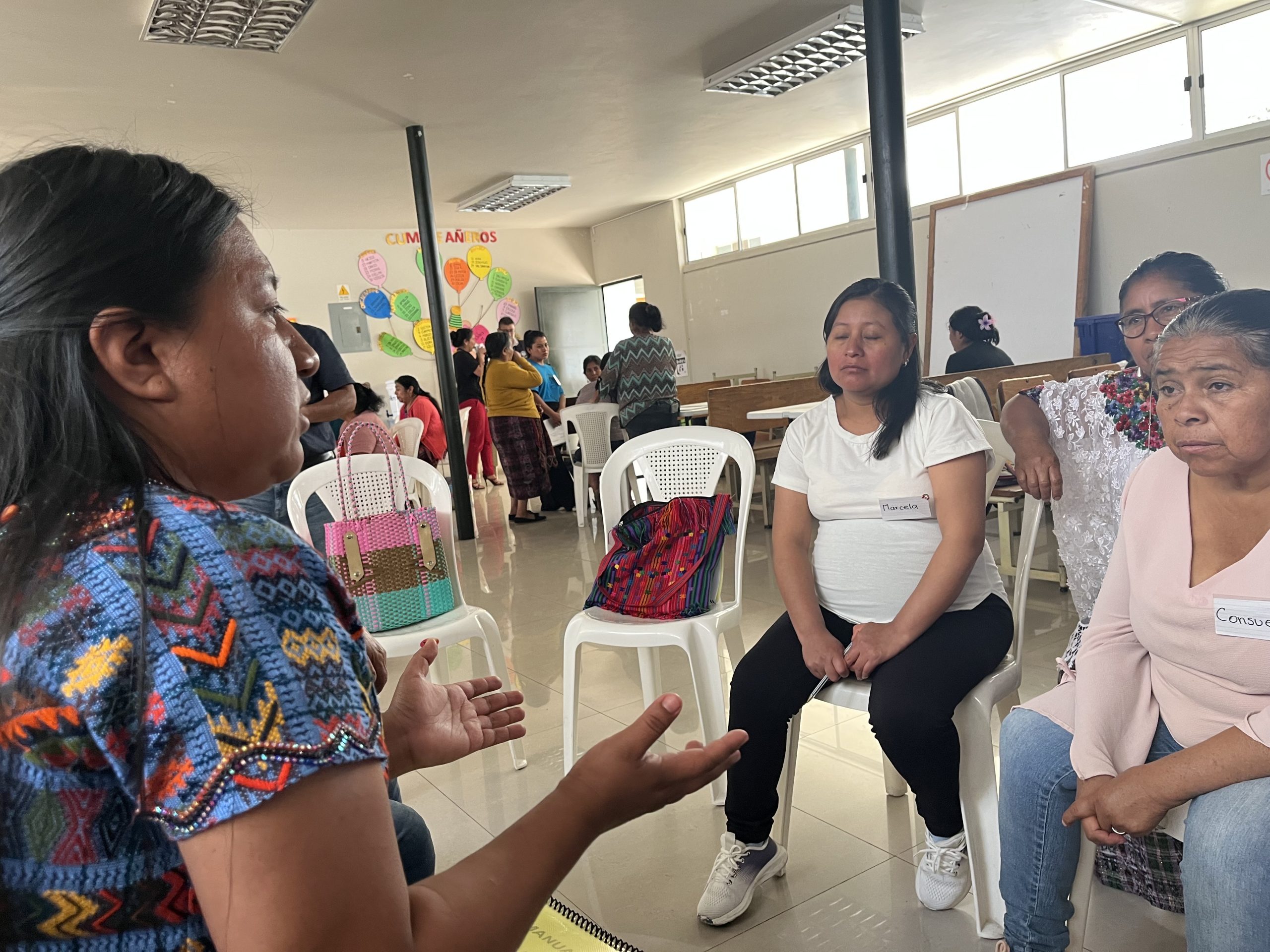
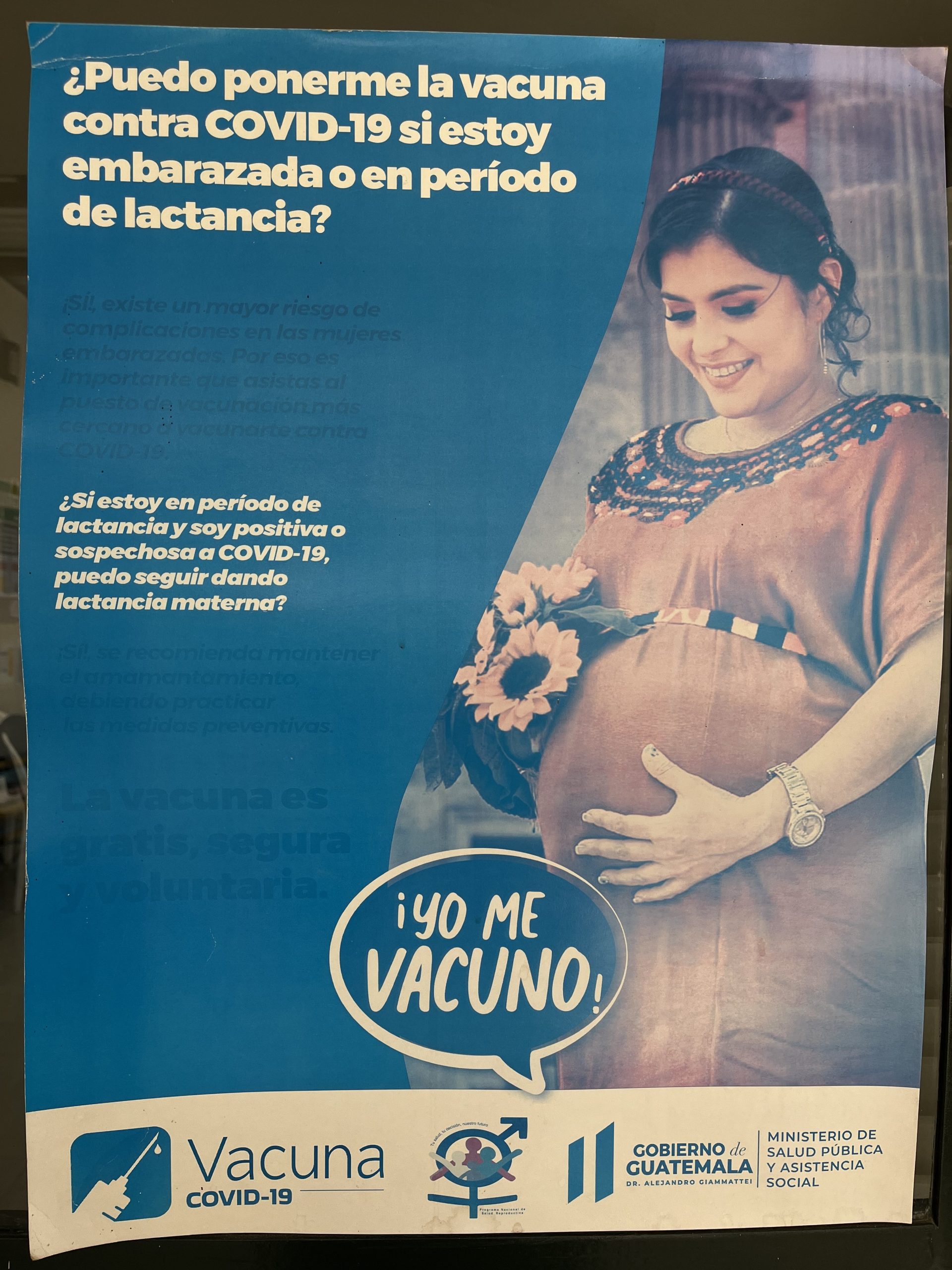
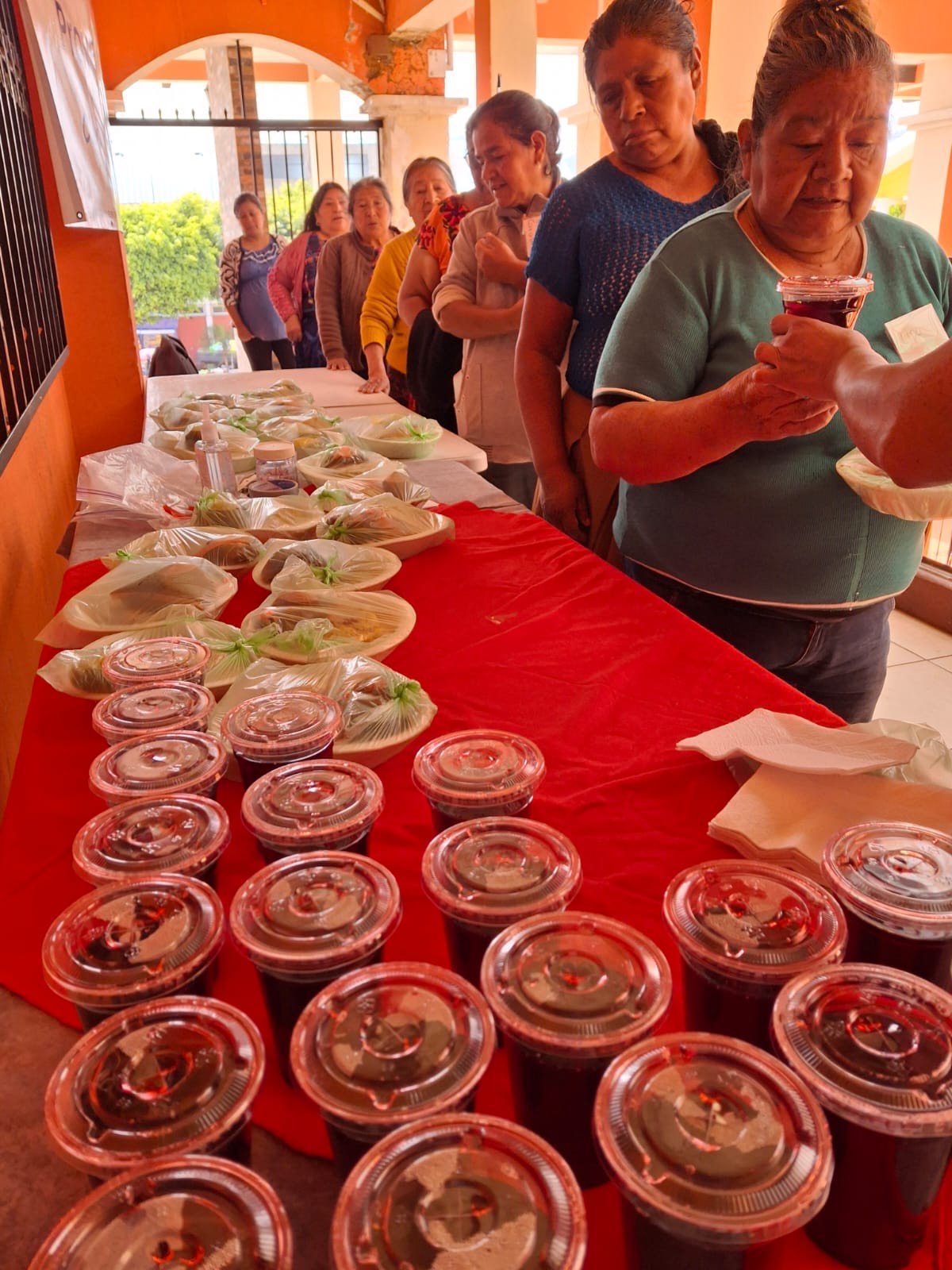
Day 2 – Handwashing, Review of the day before, A complete prenatal exam, history and physical, Nutrition.
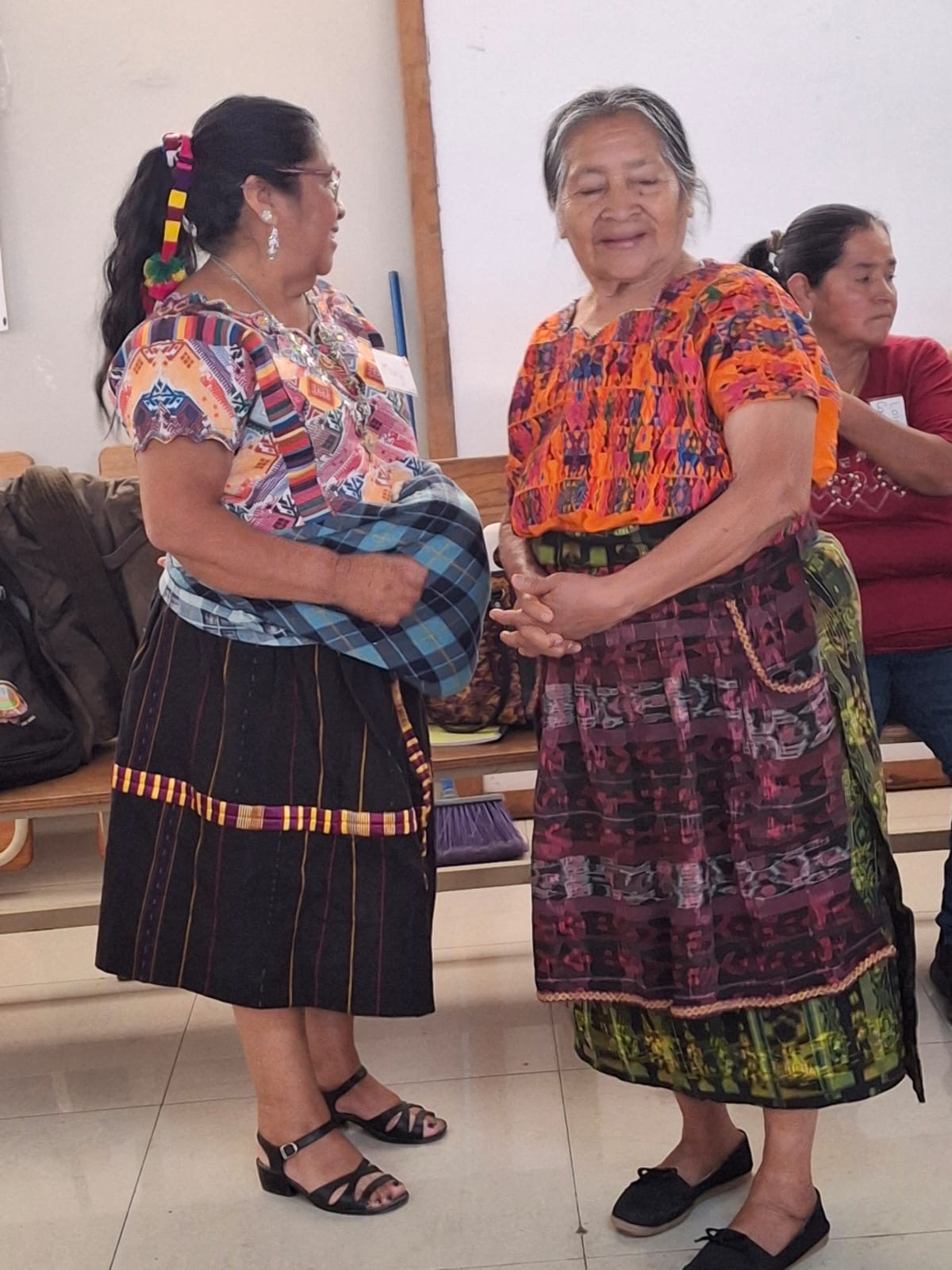
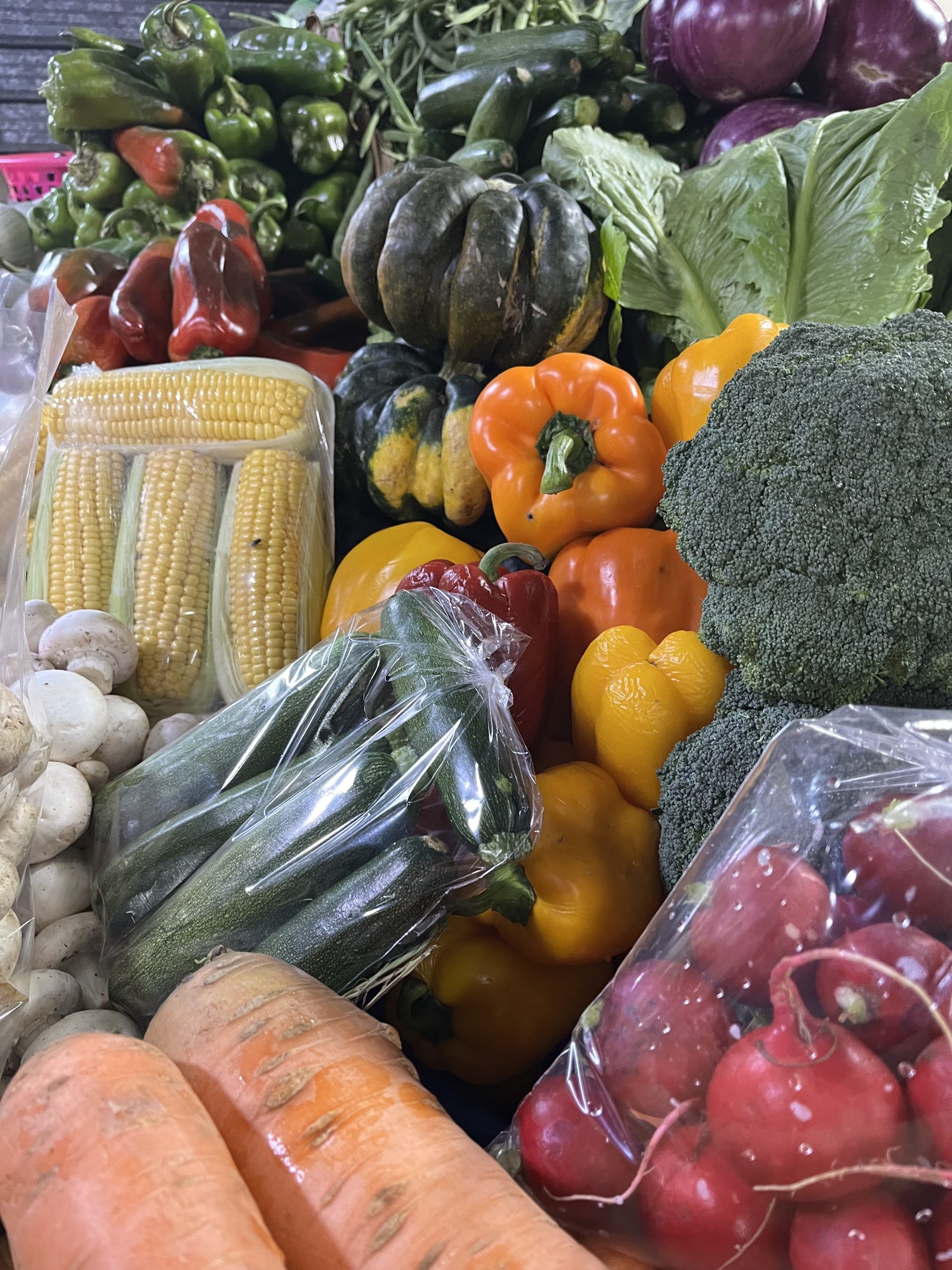
Photos of interviews and nutrition
Day 3 – Handwashing, Review of the day before, Attending a normal vaginal birth in the home, Emergency planning if complications occur, Breastfeeding.
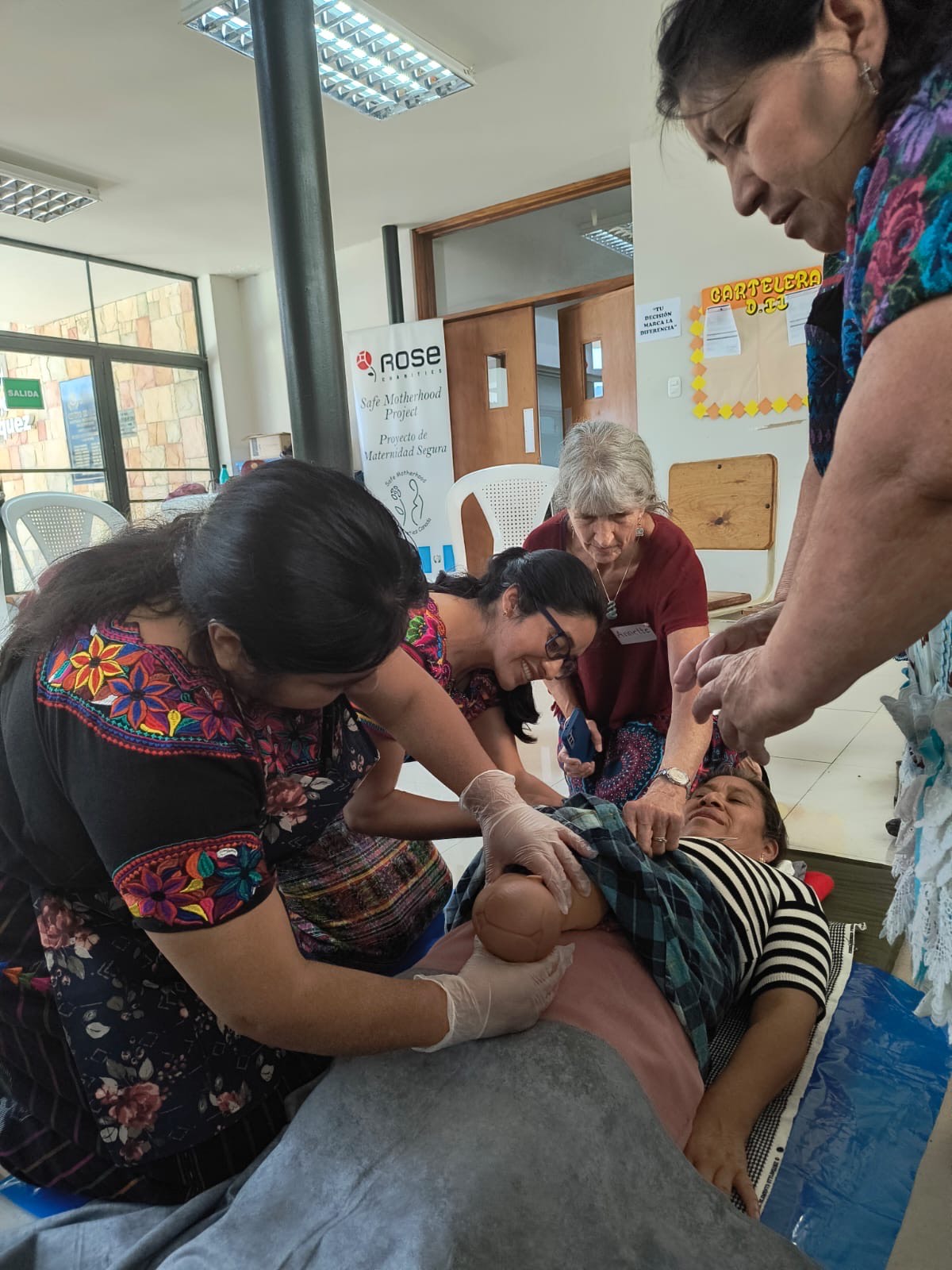
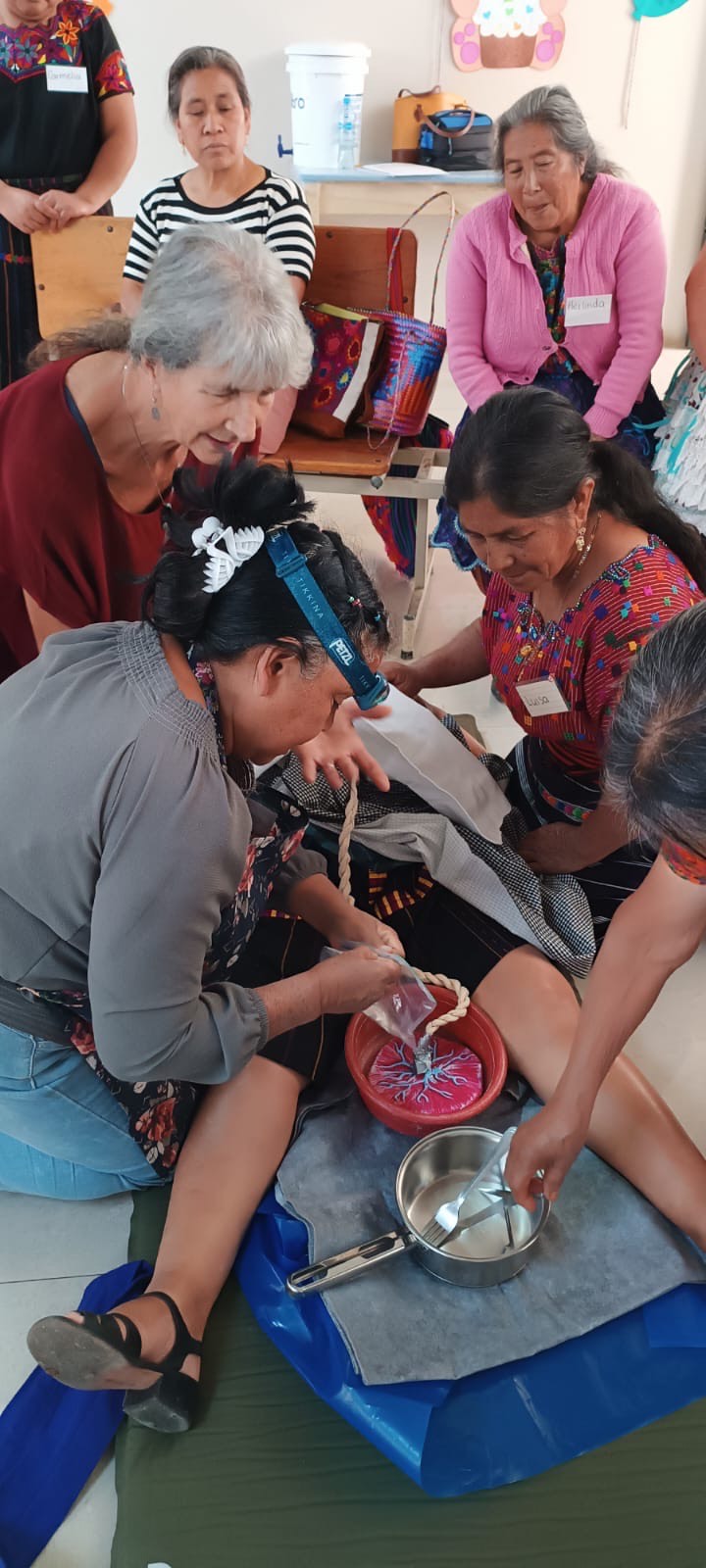
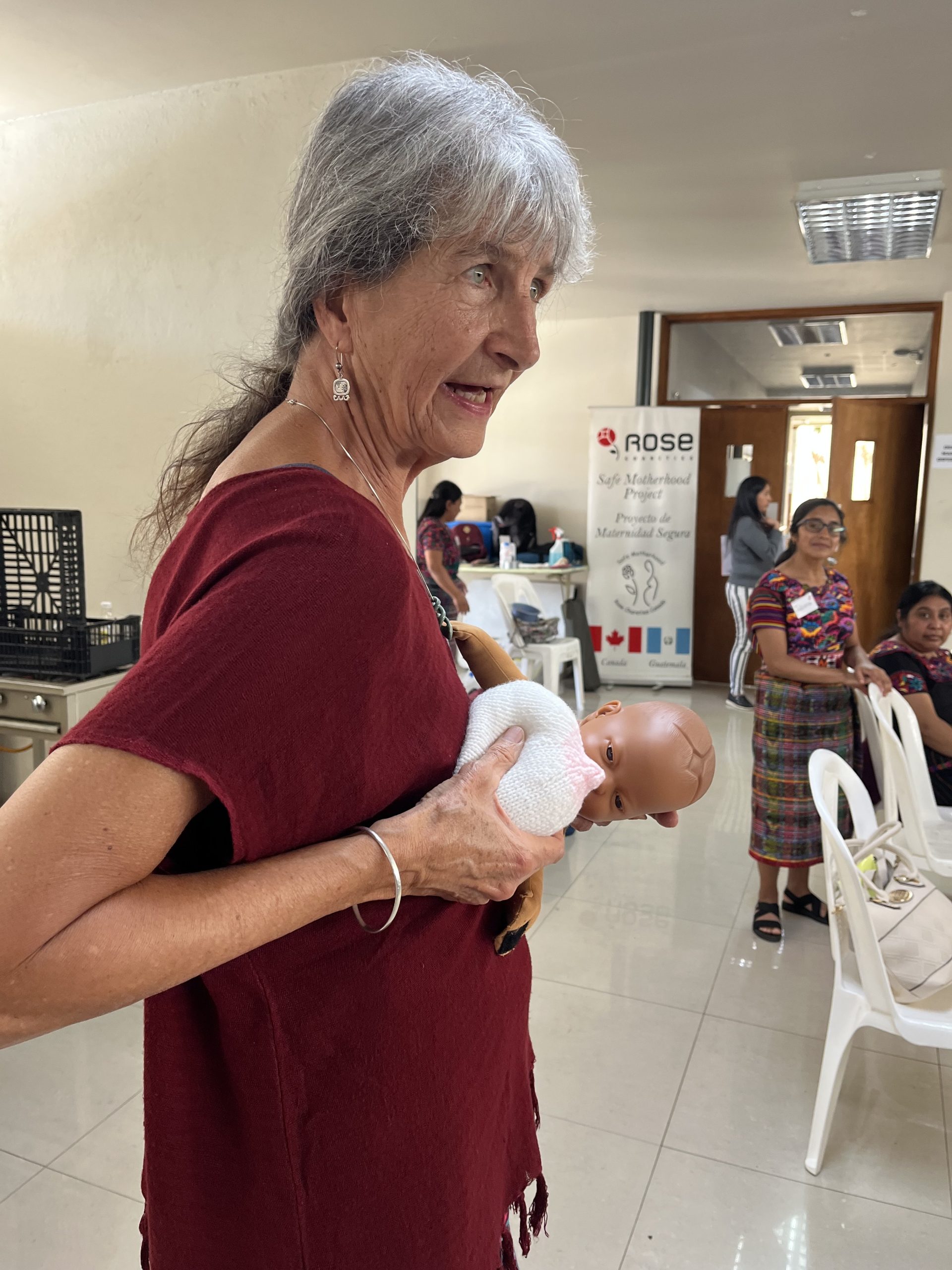
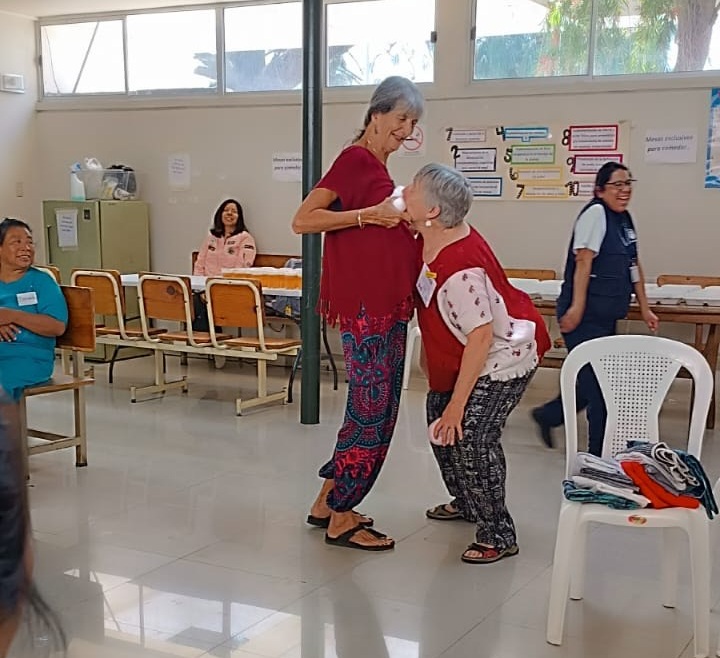
Day 4 – Handwashing, Common complications in childbirth such as hemorrhage, umbilical cord around baby’s neck, helping newborn breathe, retained placenta, convulsions of eclampsia, undiagnosed breech birth. Review of helpful upright birth positions that create more space in mother’s pelvis.
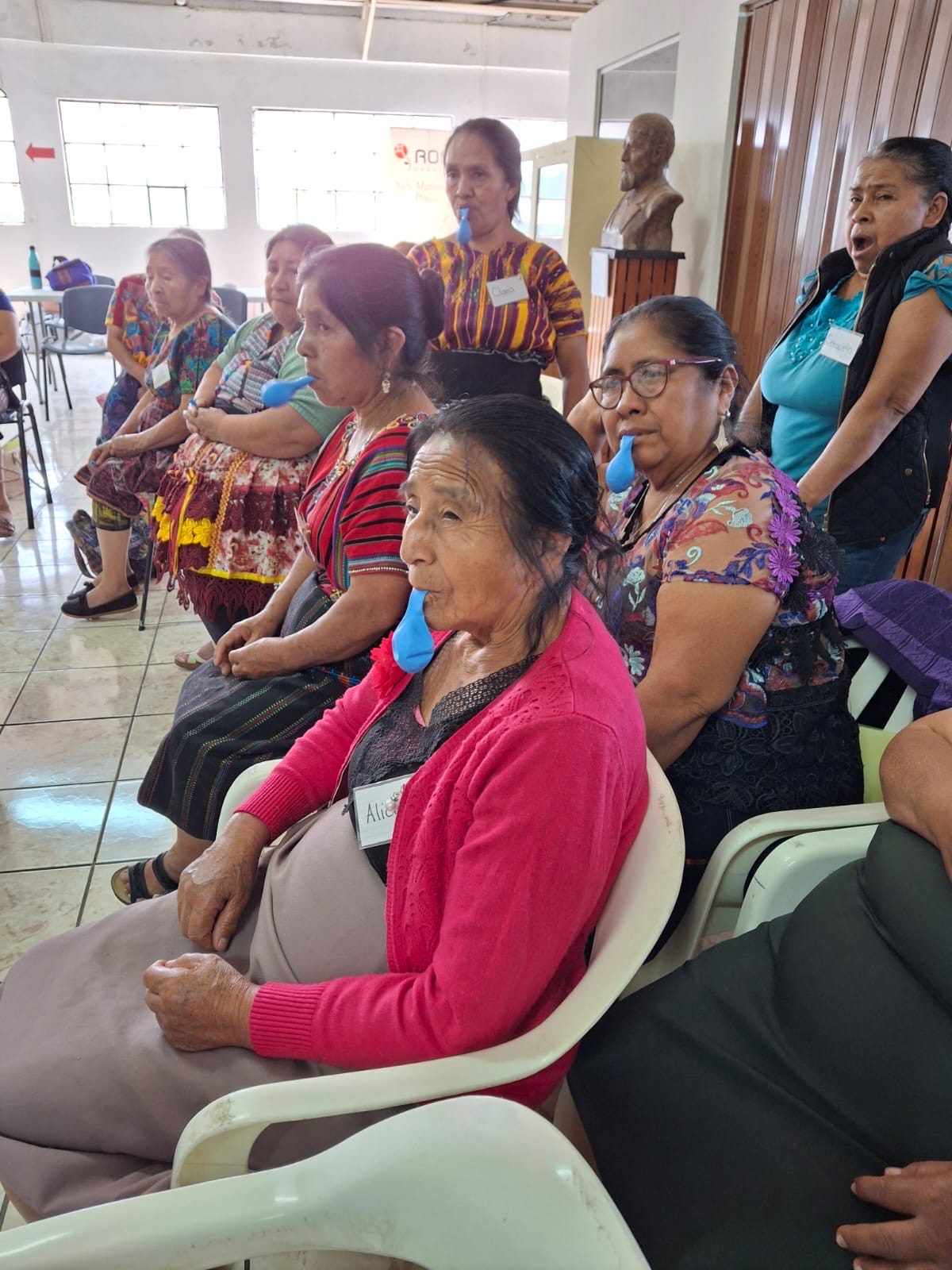
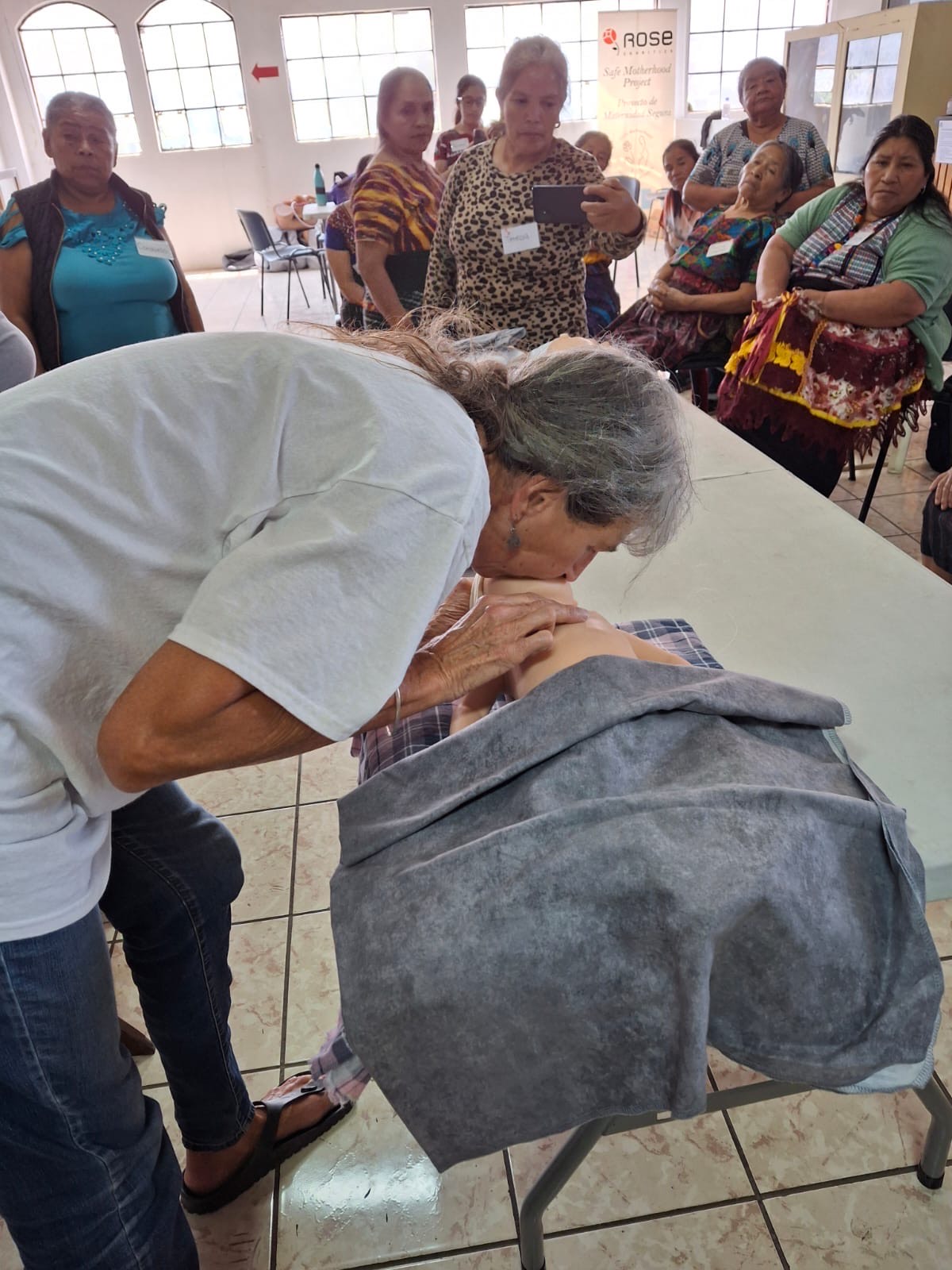
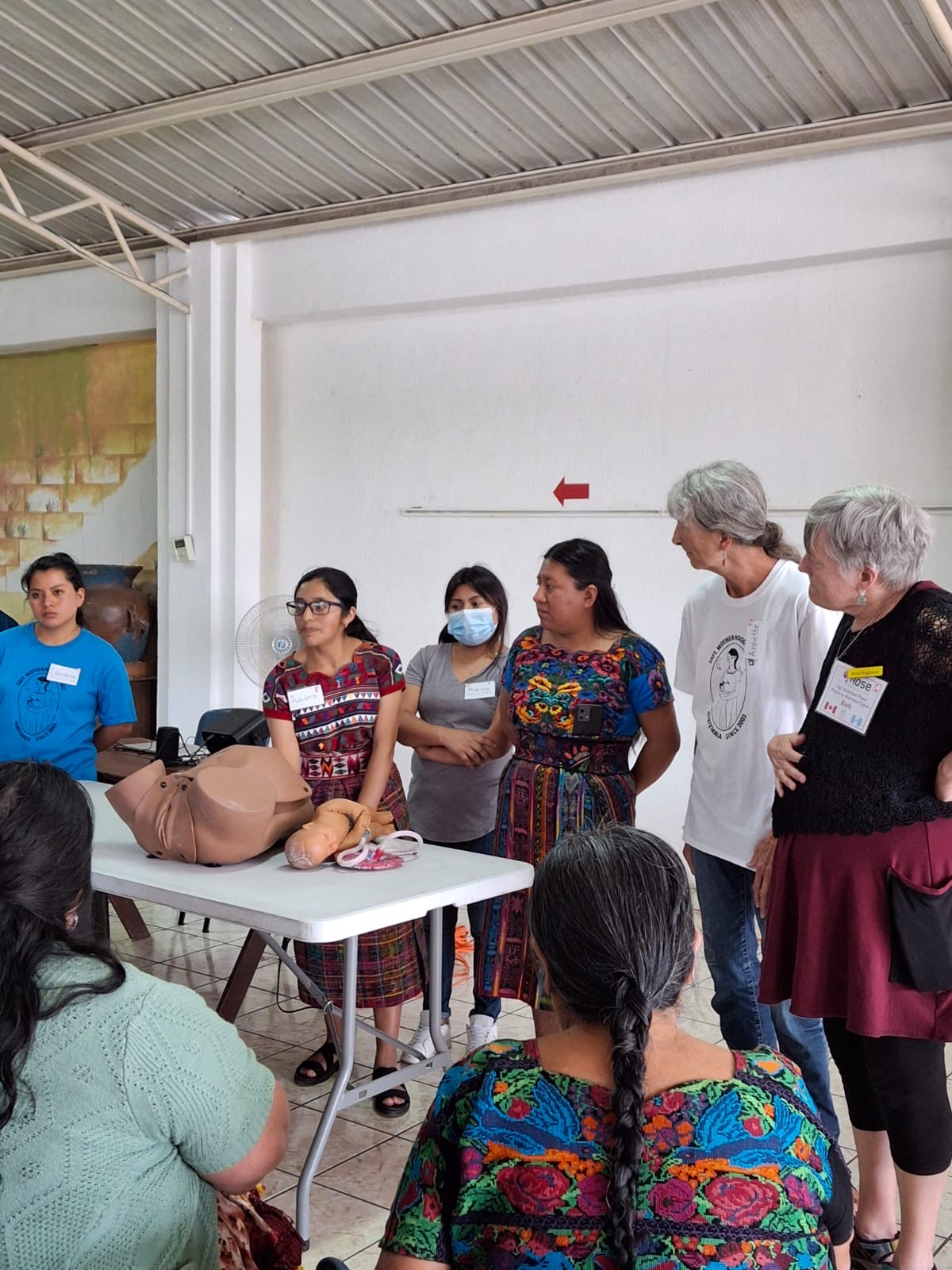
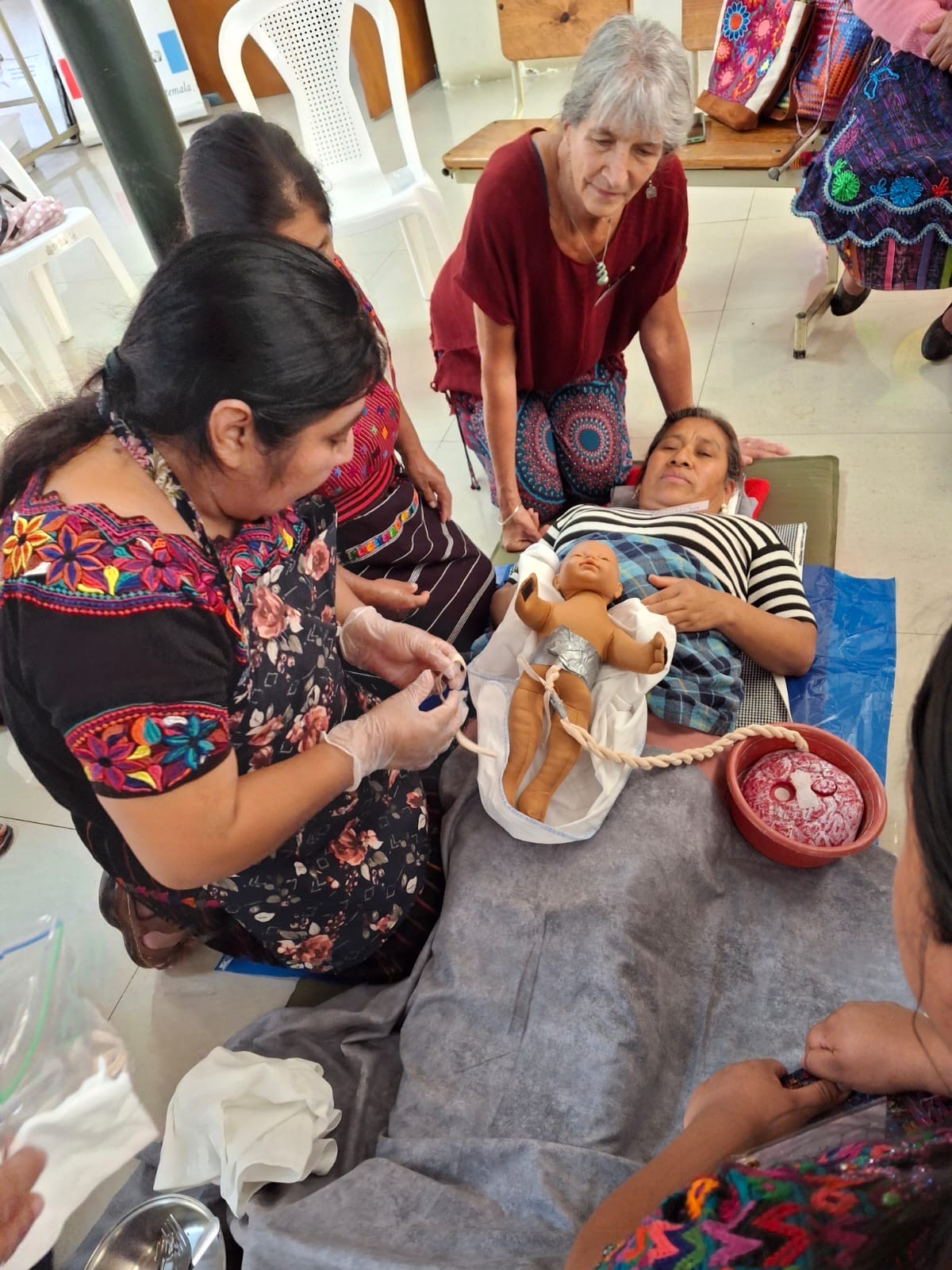
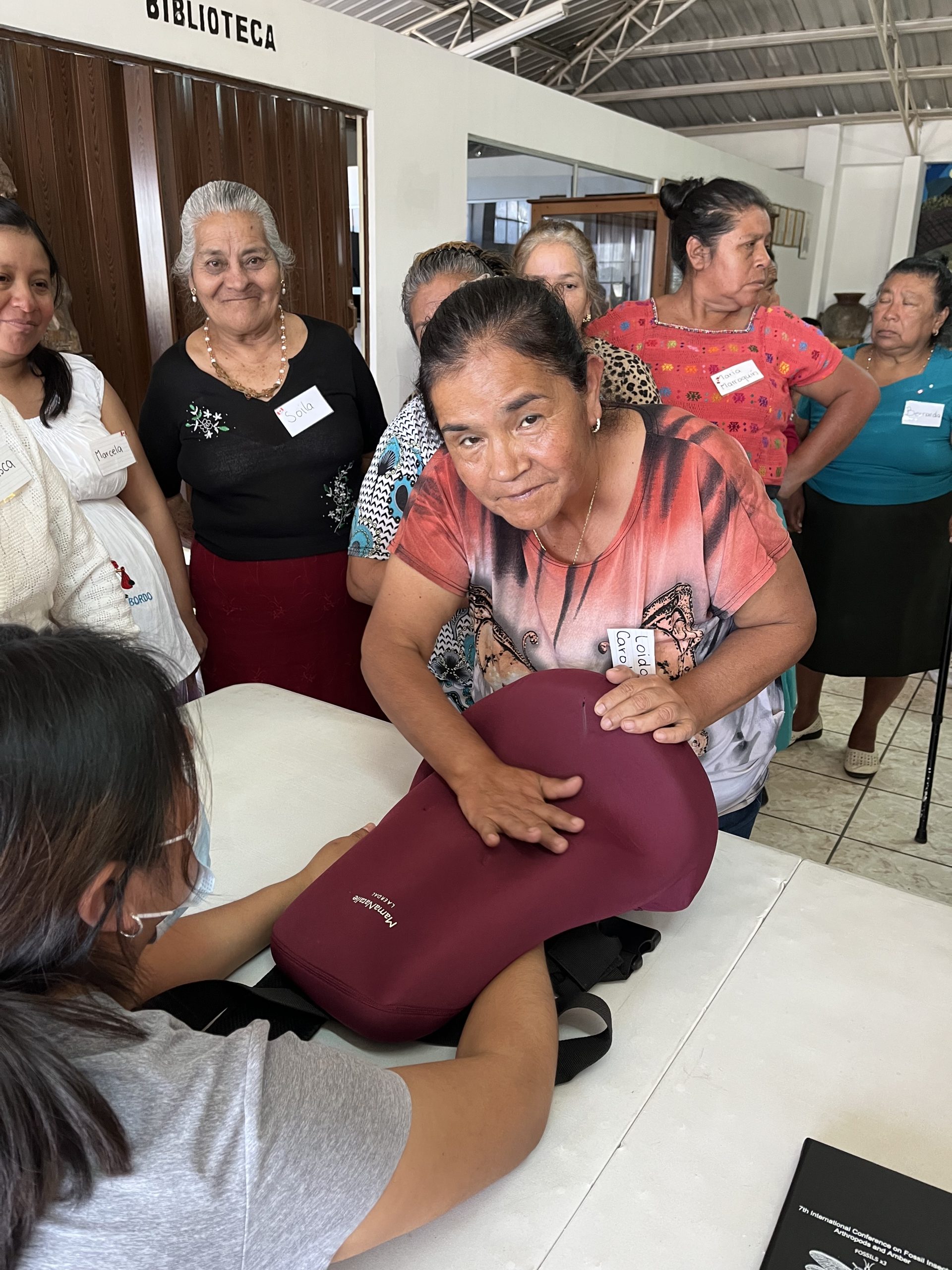
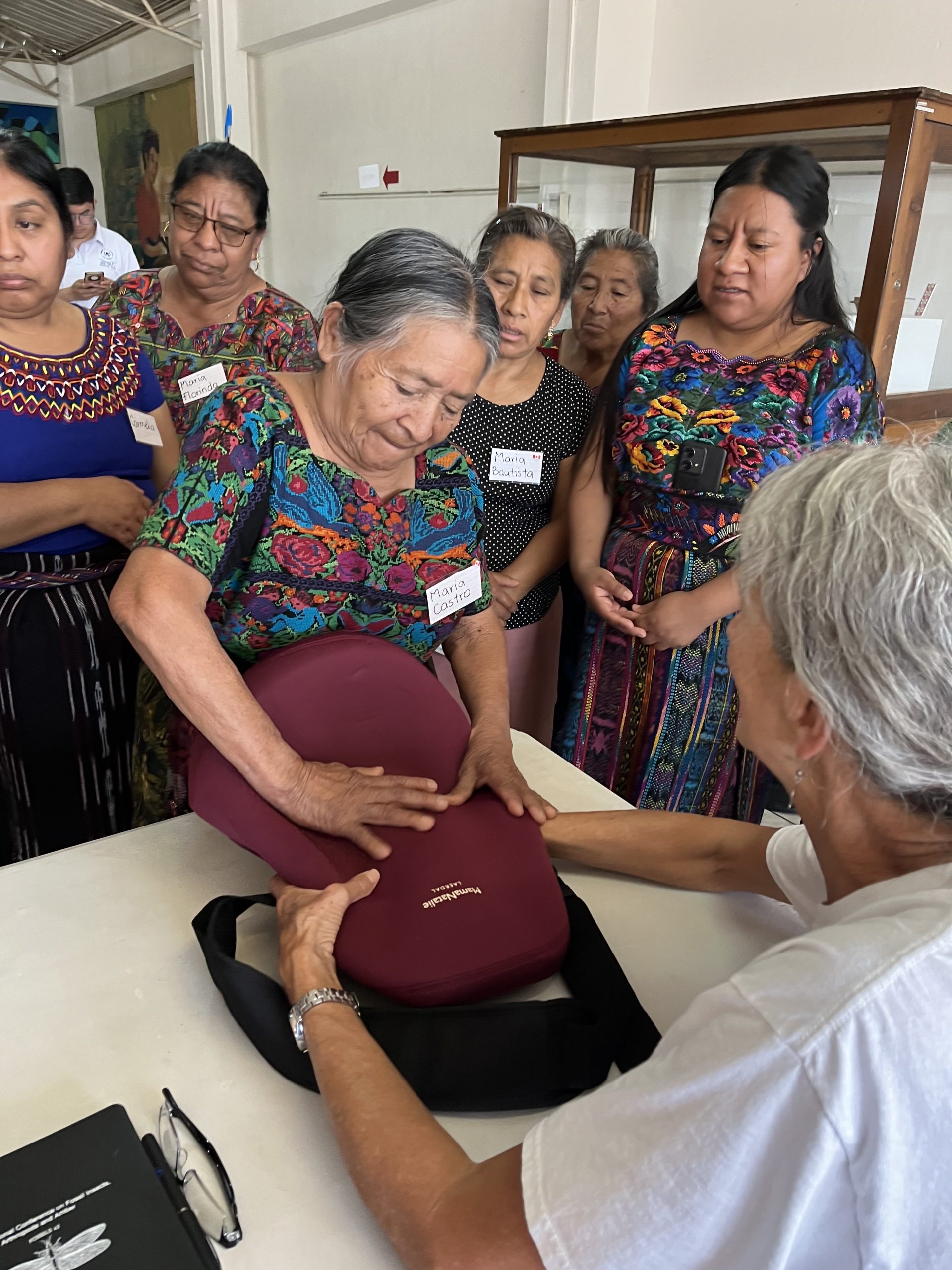
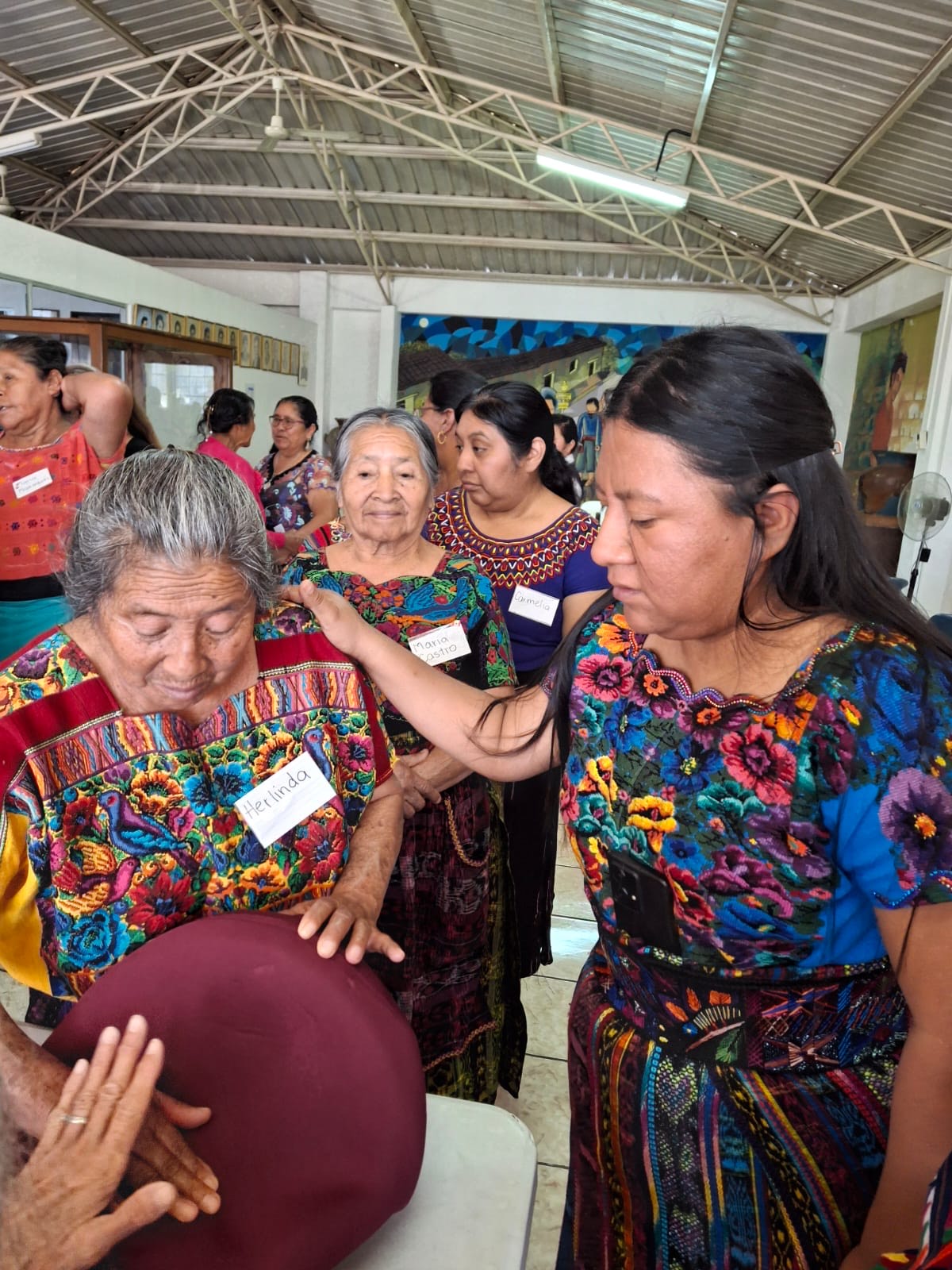
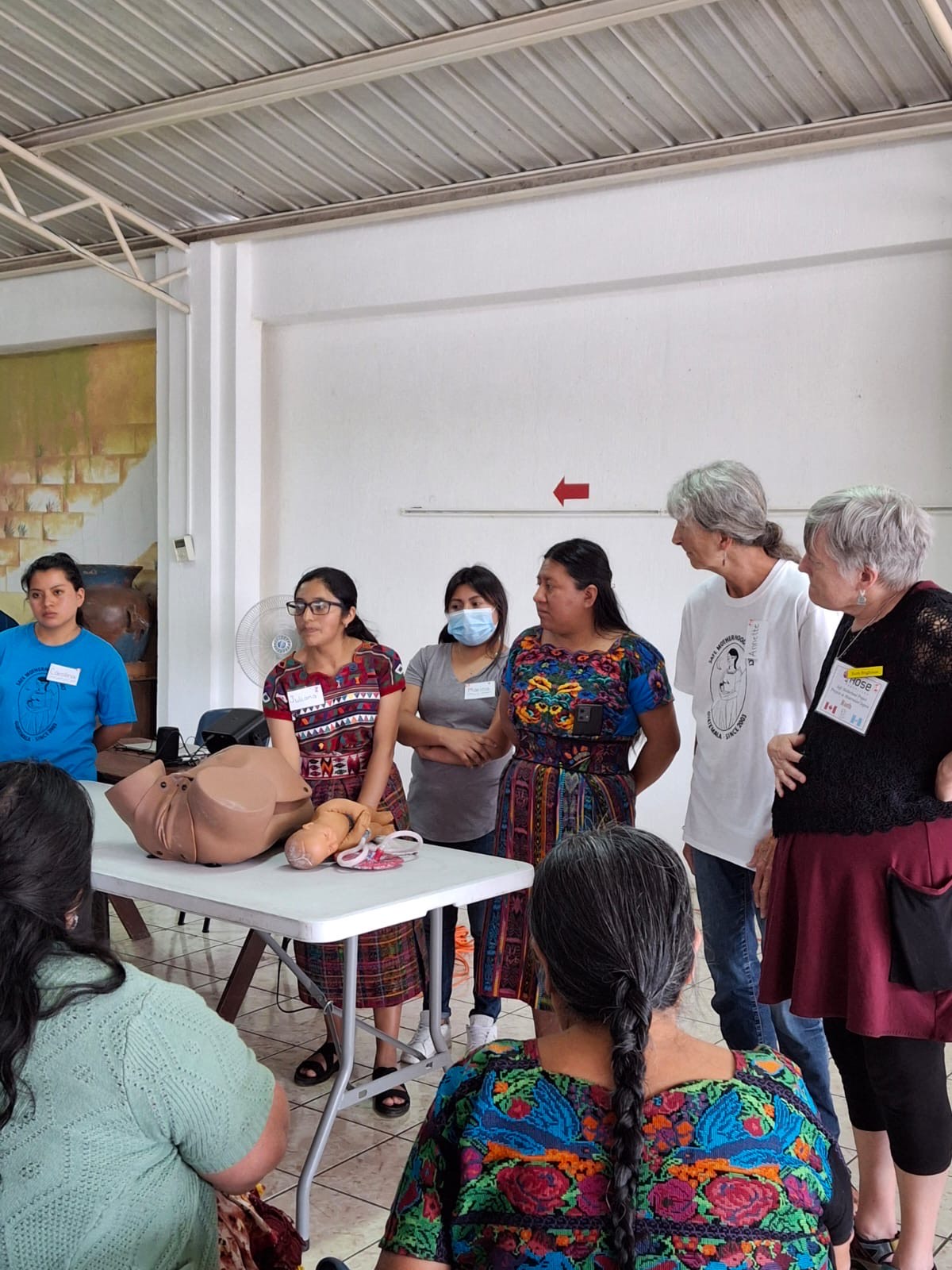
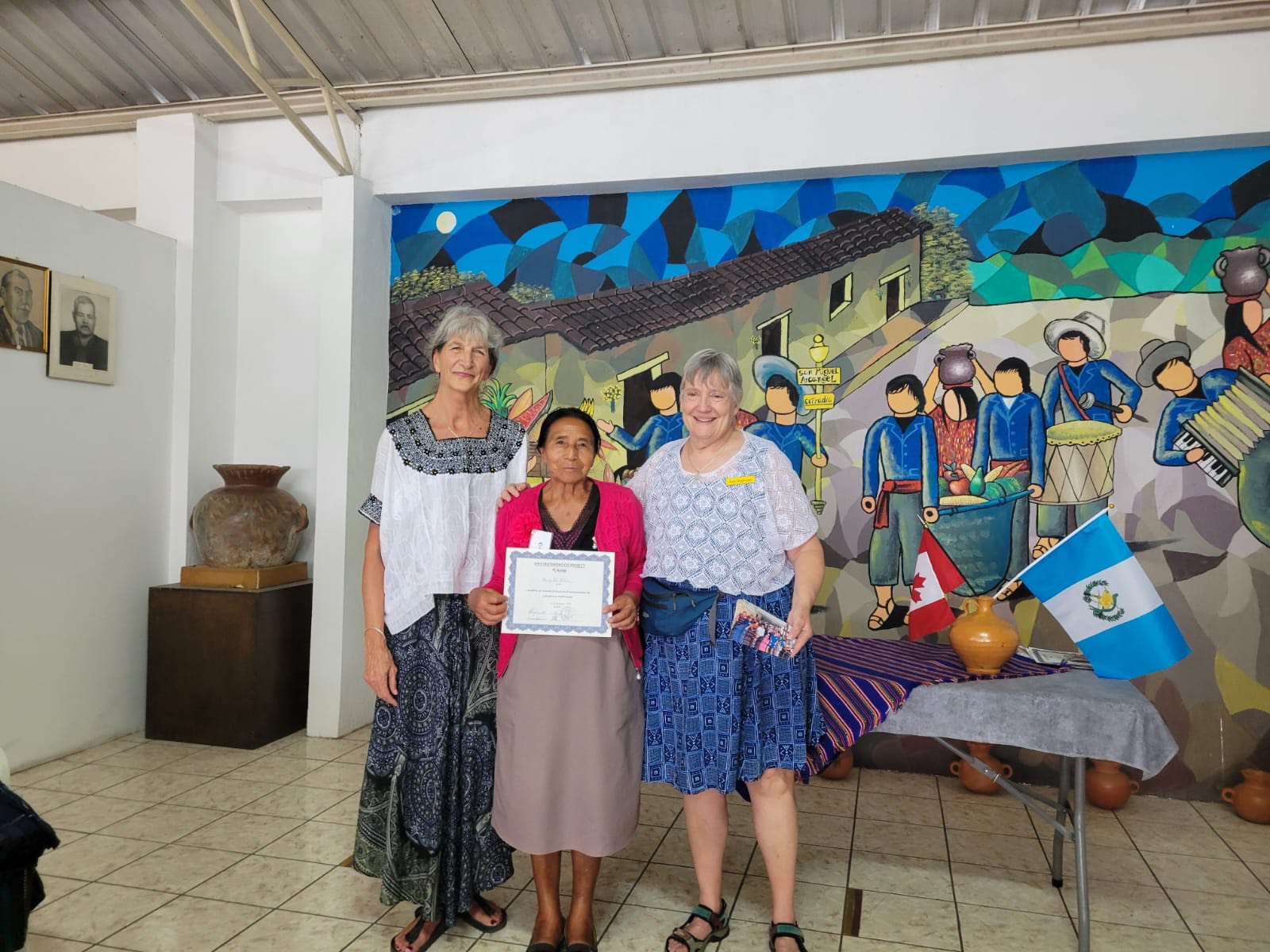
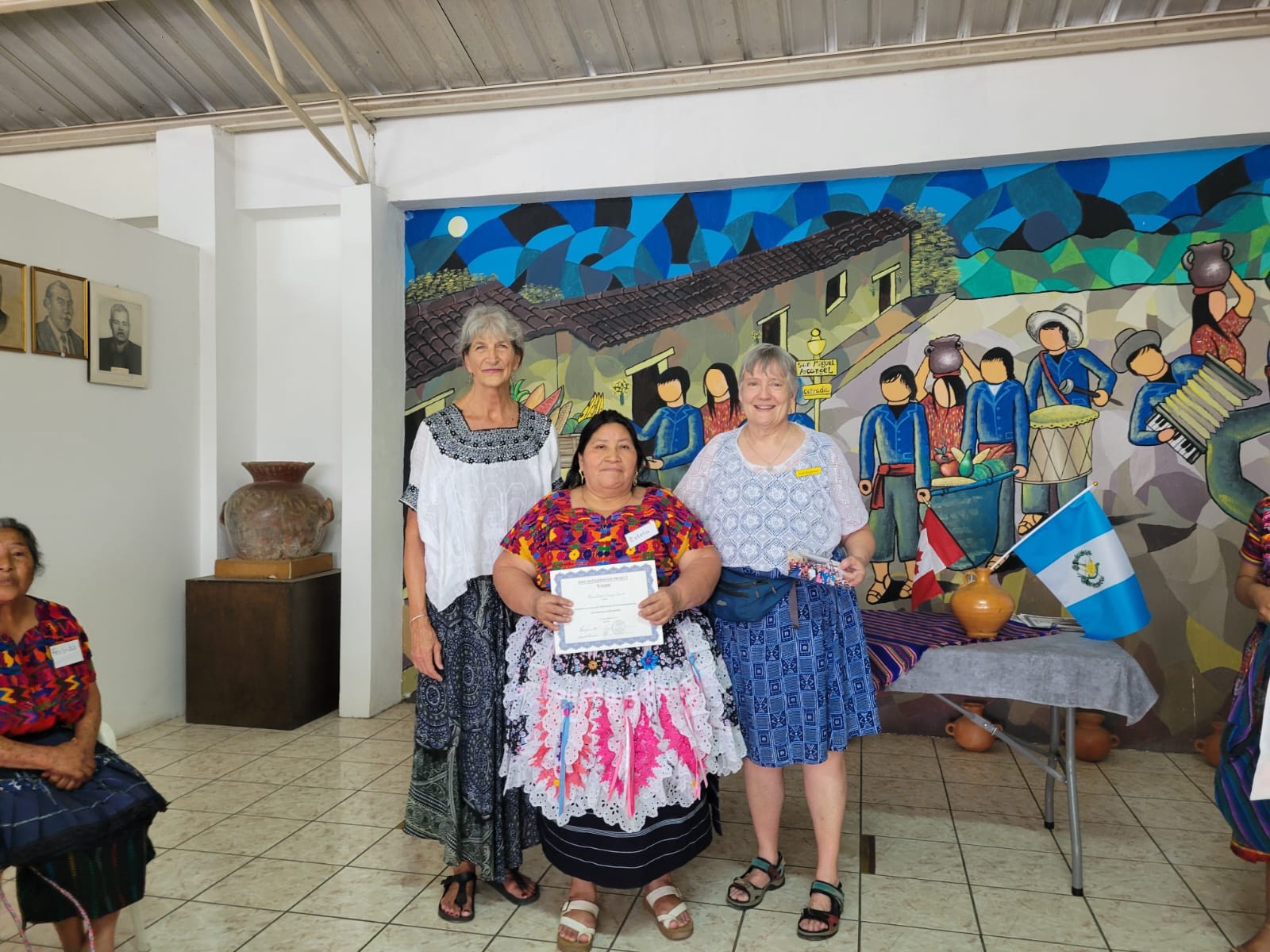
Day 5 – Handwashing, Contraception, Domestic violence and safety plan, Closing circle, Presentation of diplomas and birth kits.
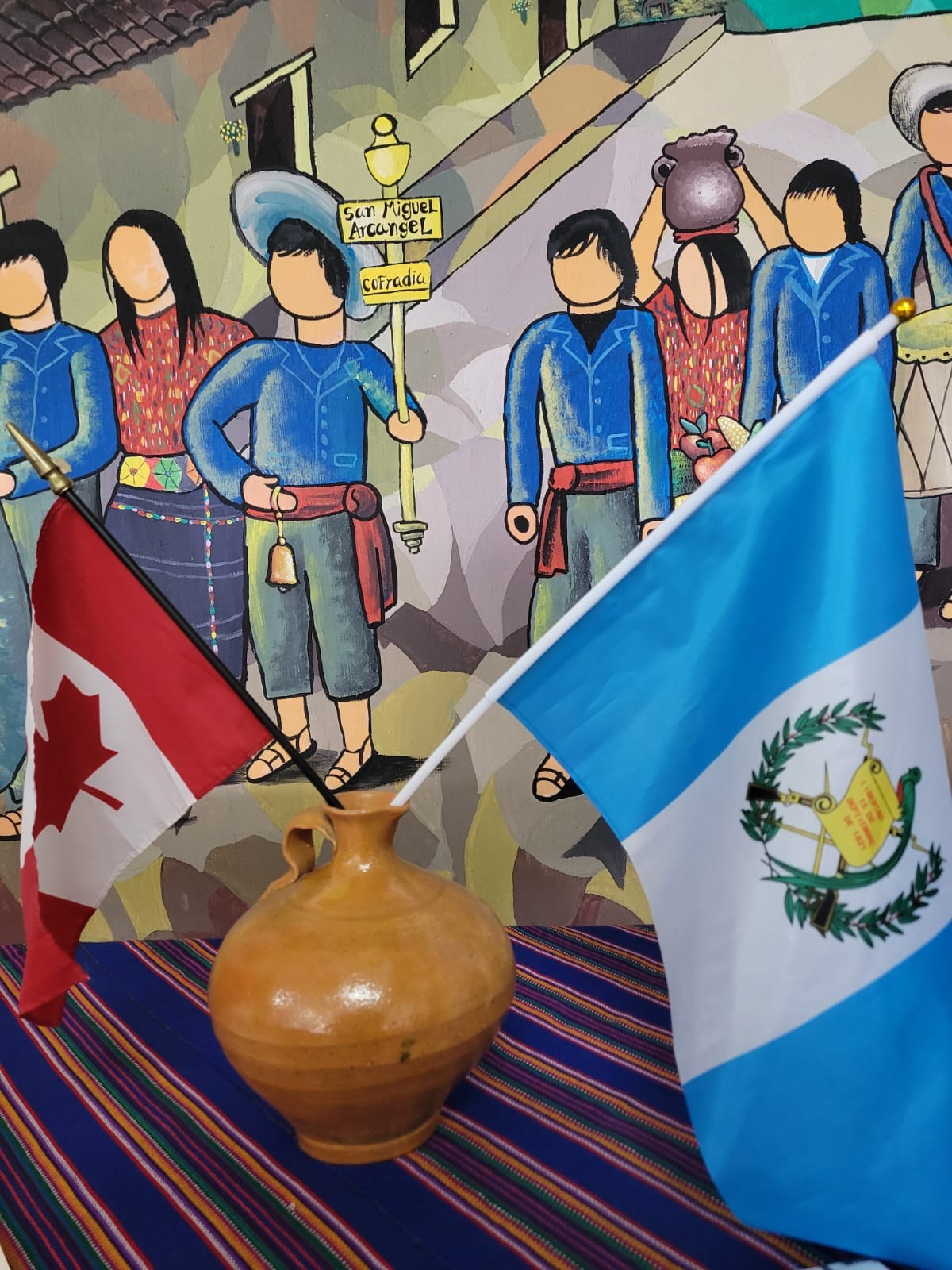
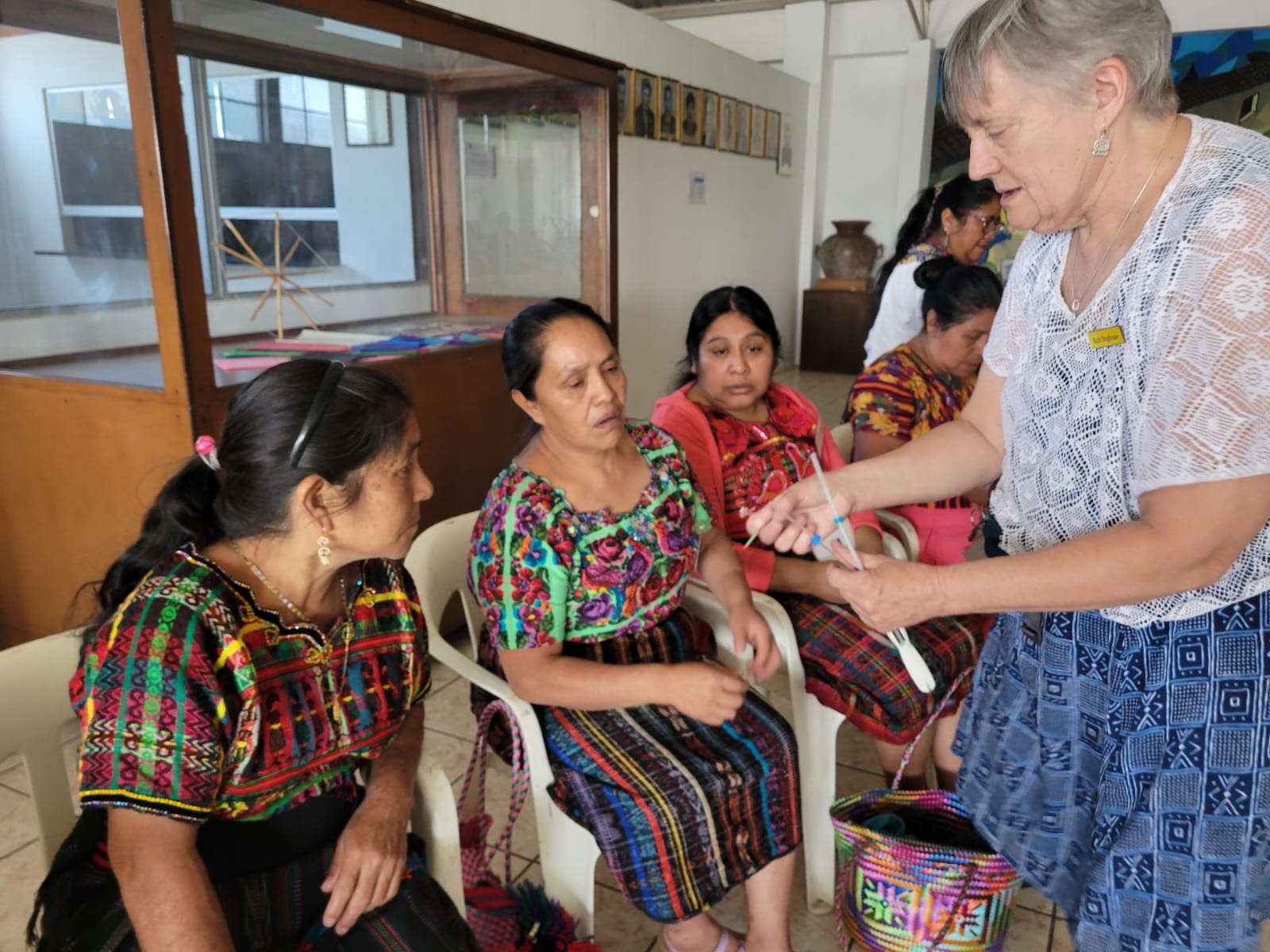
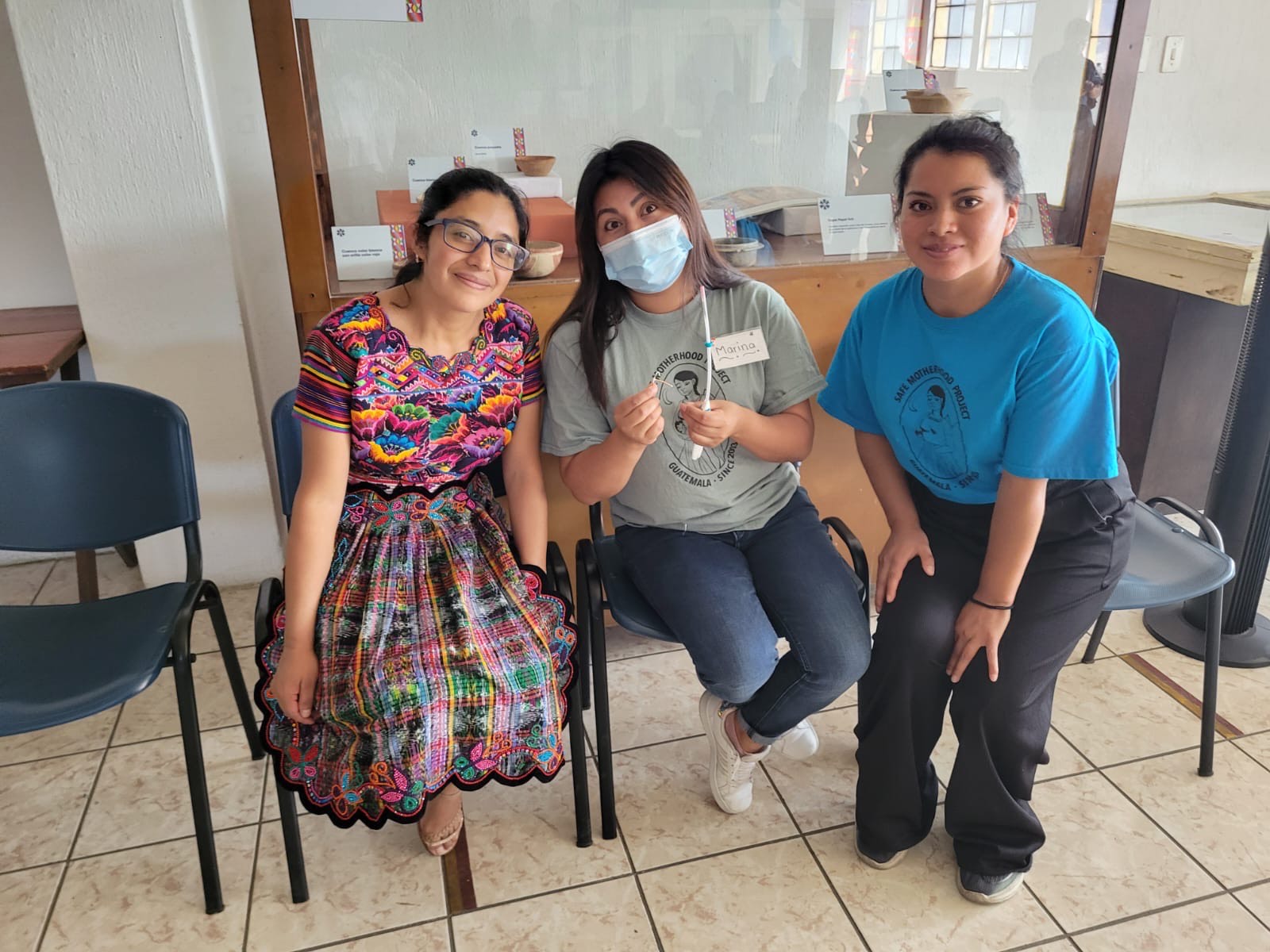
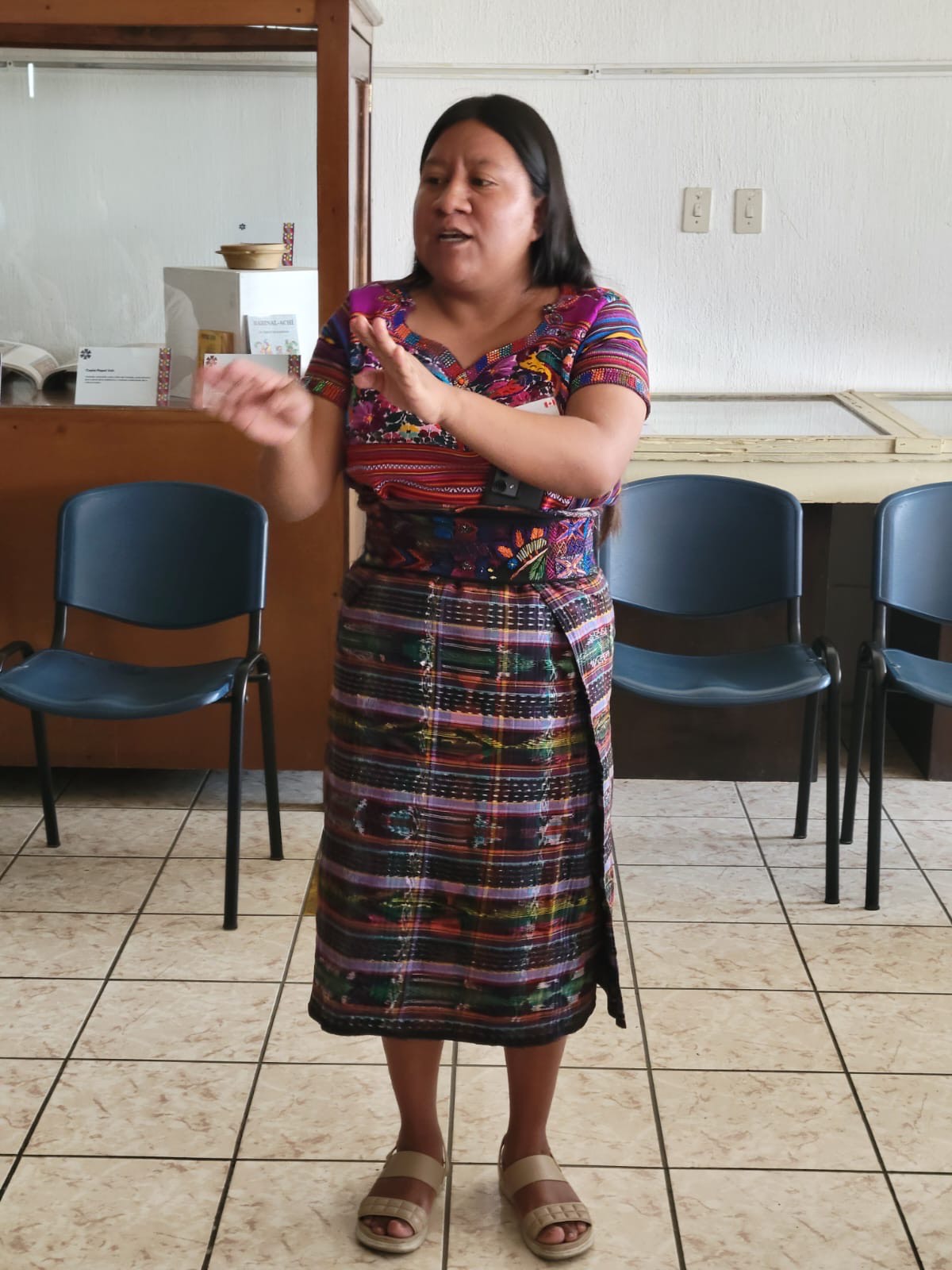
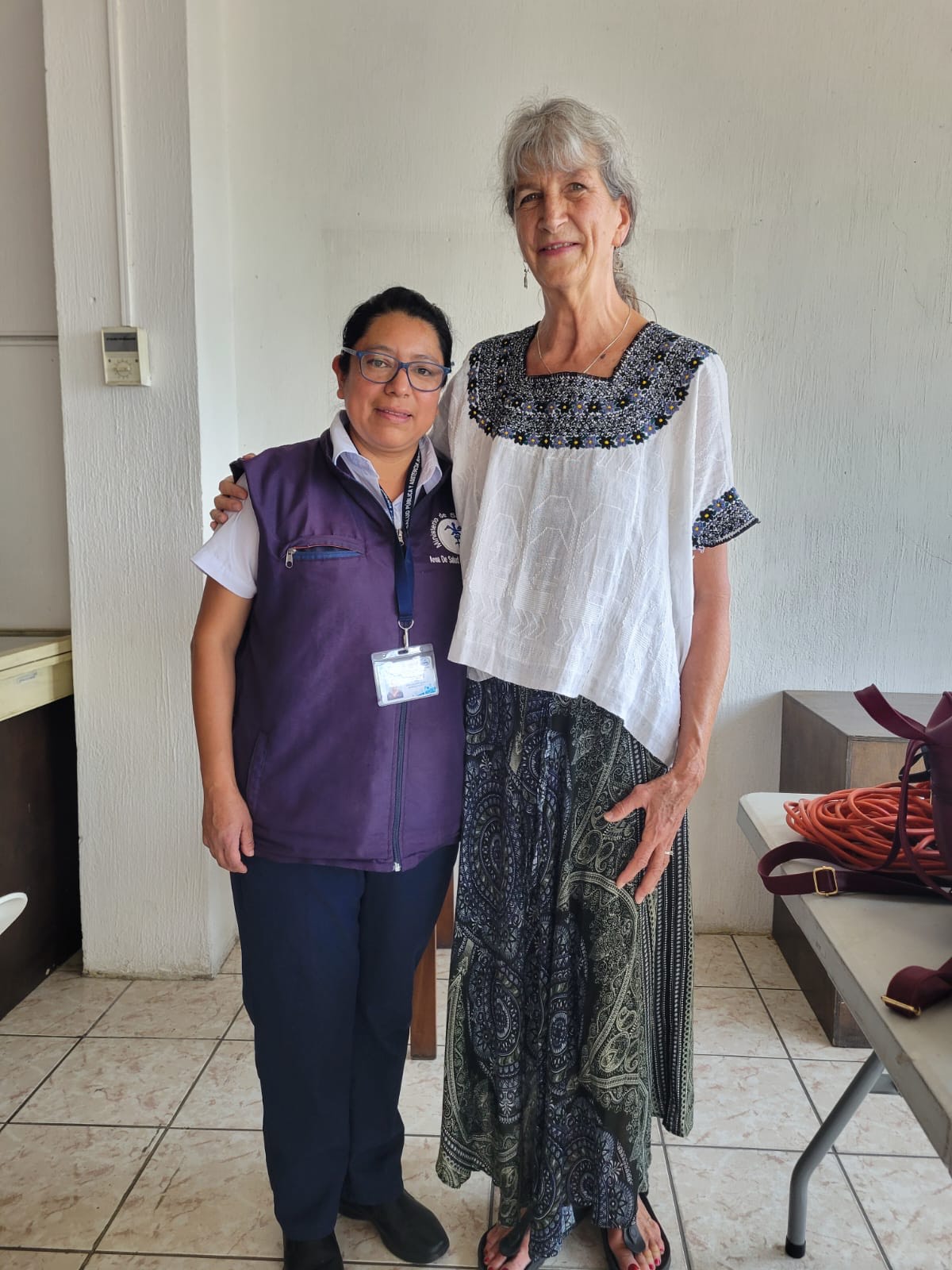
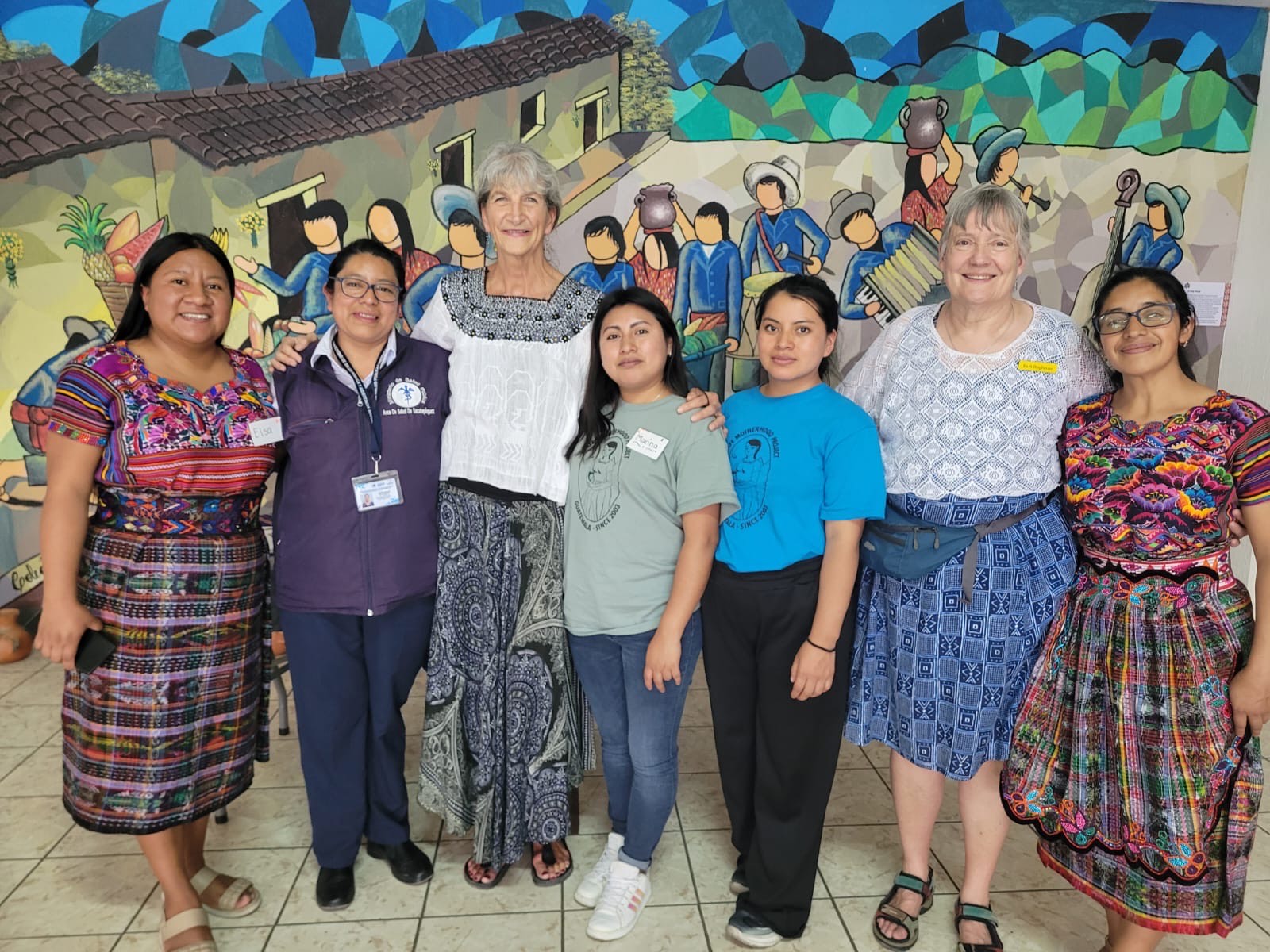
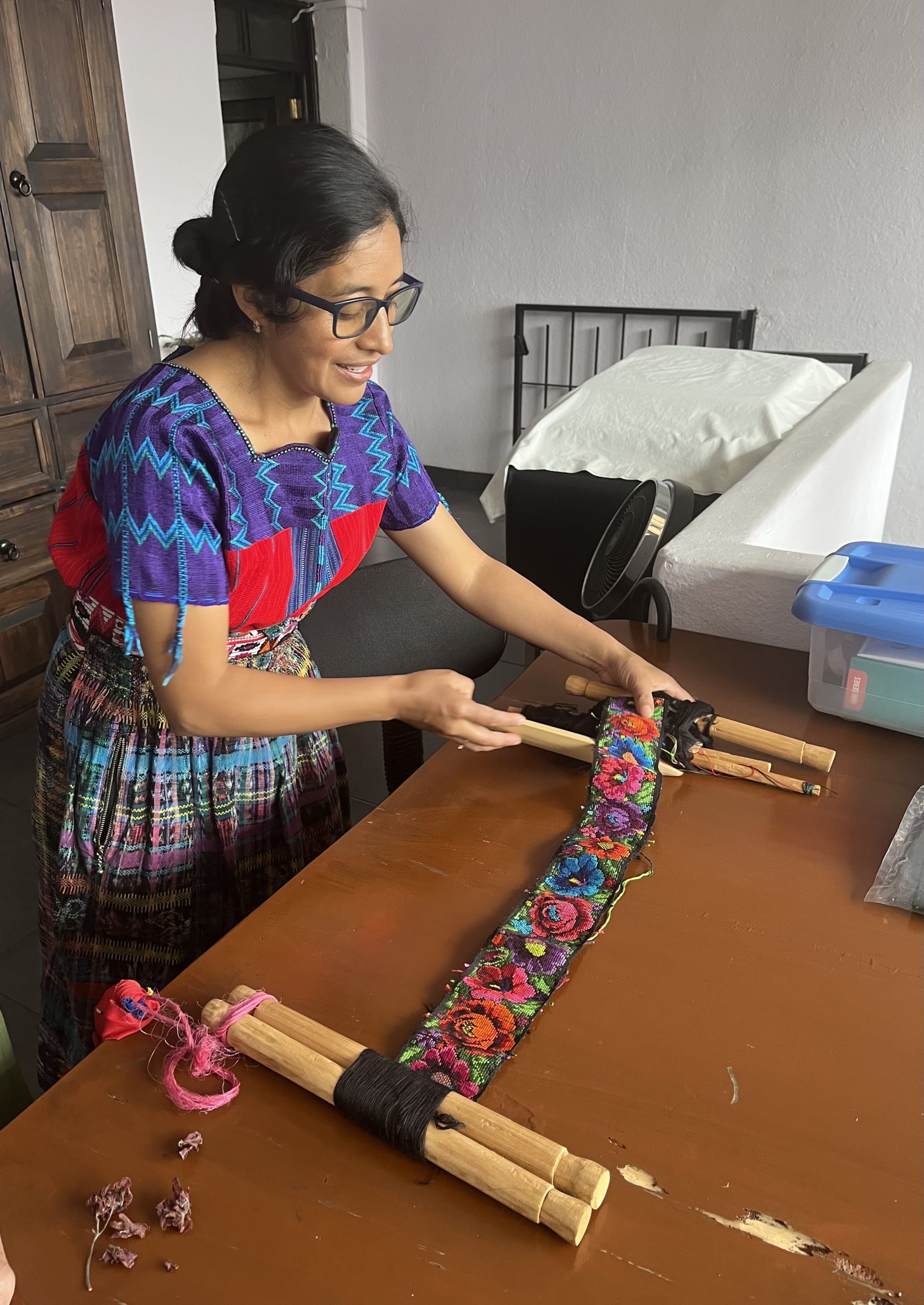
The Guatemalan professional midwives that worked with us this year were excellent teachers! They were very knowledgeable. Each had completed 3 years of university education and 1-2 years of practicums before they were certified. They had no problem jumping in to explain a topic in great detail. Their familiarity with local culture, indigenous language, and ways of doing things was indispensable. We were delighted with their assistance.
Unfortunately, the Guatemalan government does not acknowledge certified midwives as a part of the health system. There is no official licensing system in the country. Certified midwives work in a legal “grey” zone in the private sector. They have private practices or are hired by non-governmental organizations who operate birth centers. This is where British Columbia was situated 27 years ago before midwives were officially recognized.
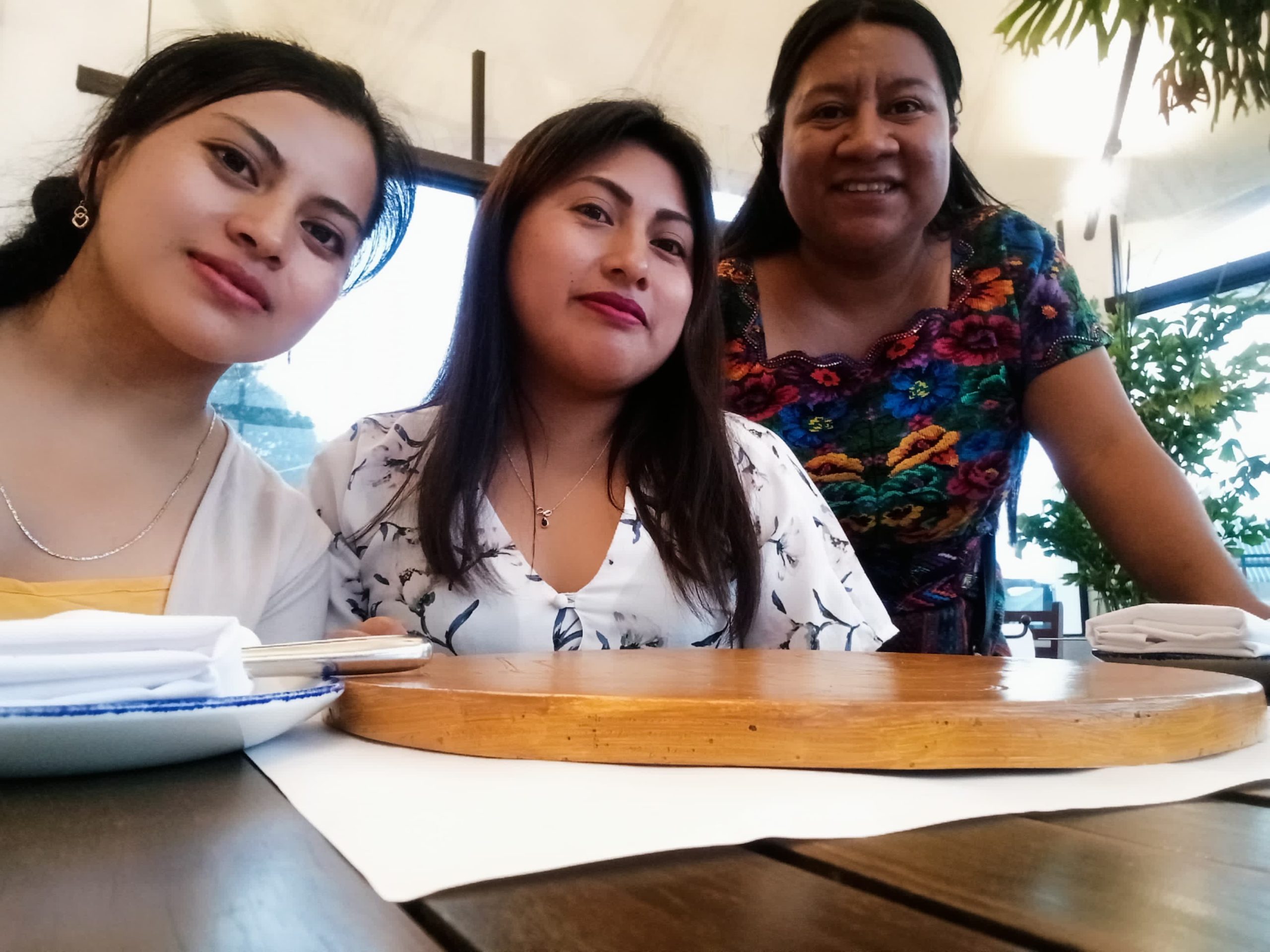
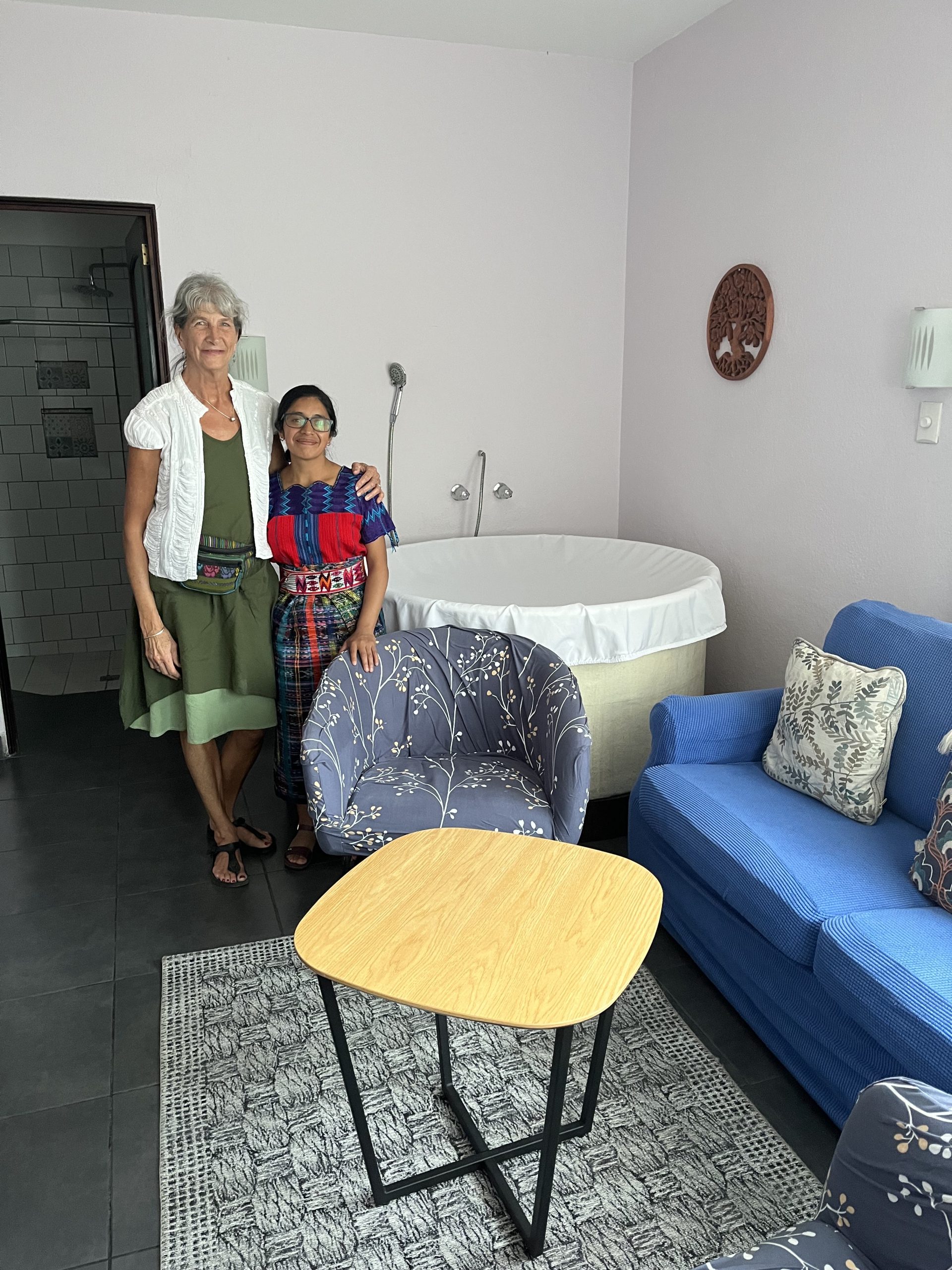
Nevertheless, our collaboration with Guatemalan certified midwives, has rejuvenated our project. The enthusiasm of these midwives was infectious and it was clear they felt the course we offer was still very important to Guatemalan maternity care especially in rural and remote areas of the country where access to hospital facilities is difficult.
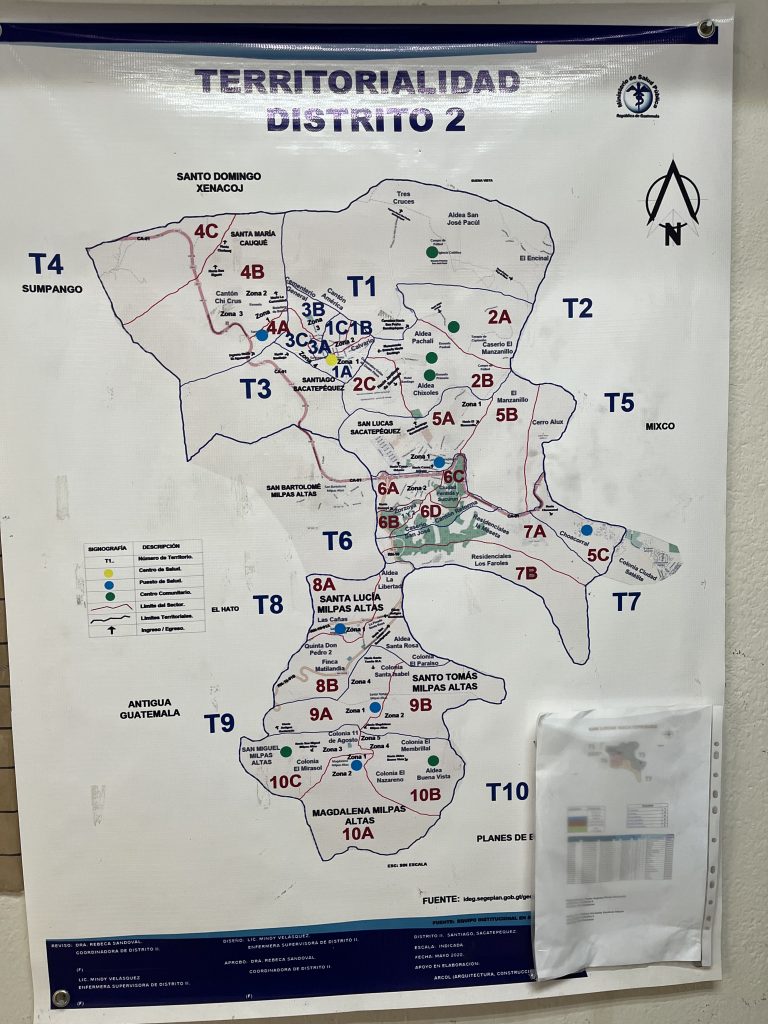
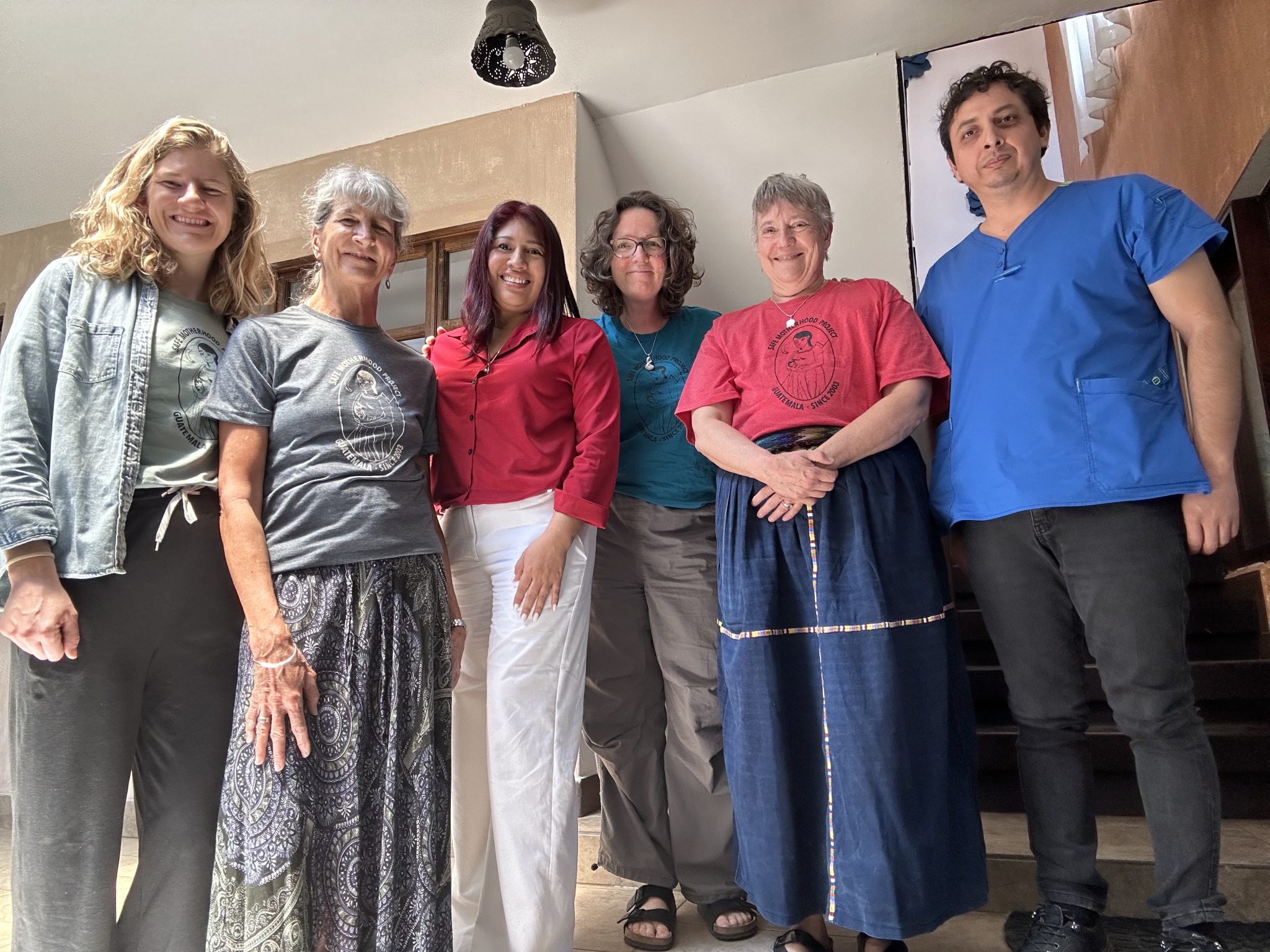
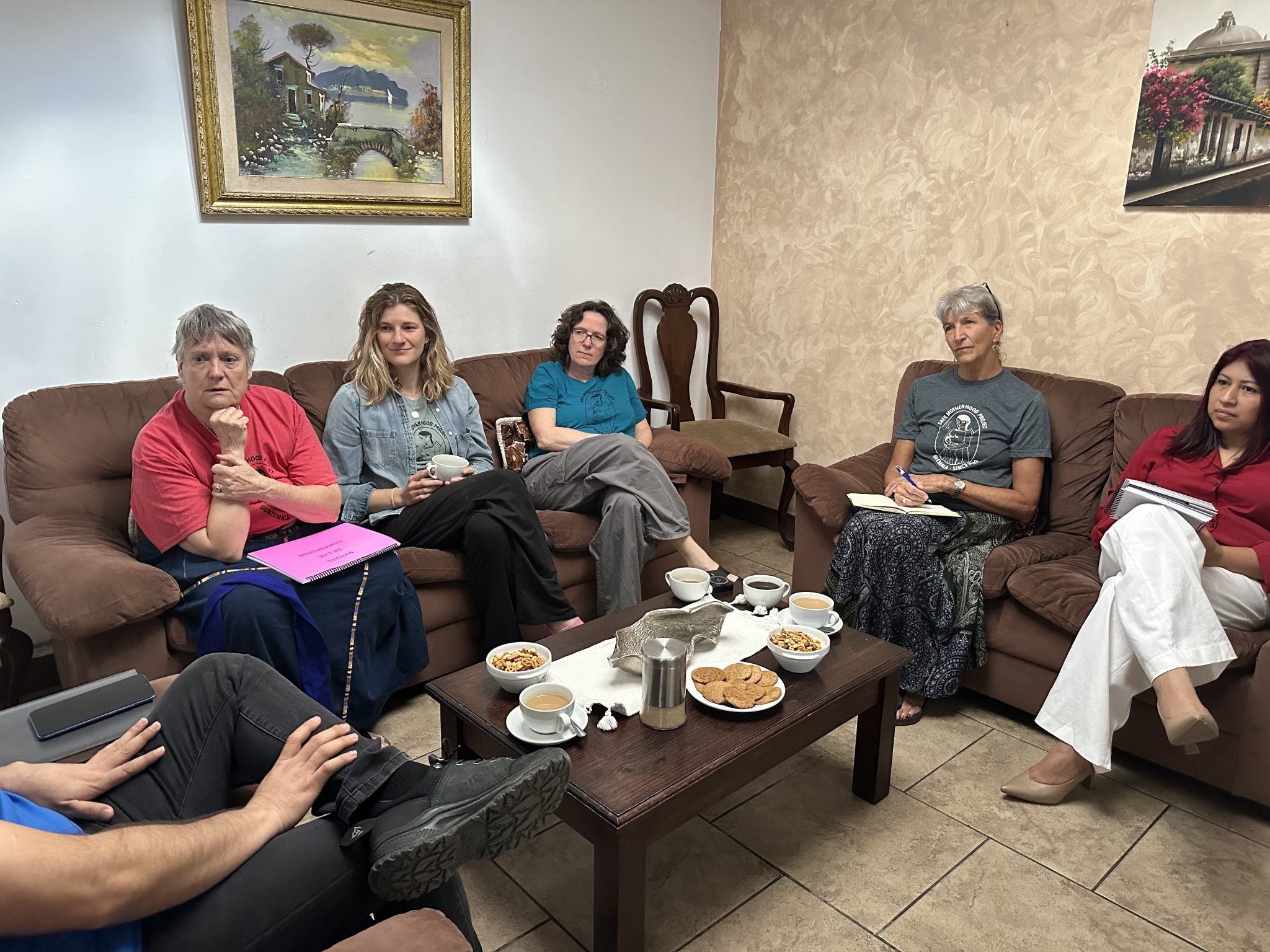
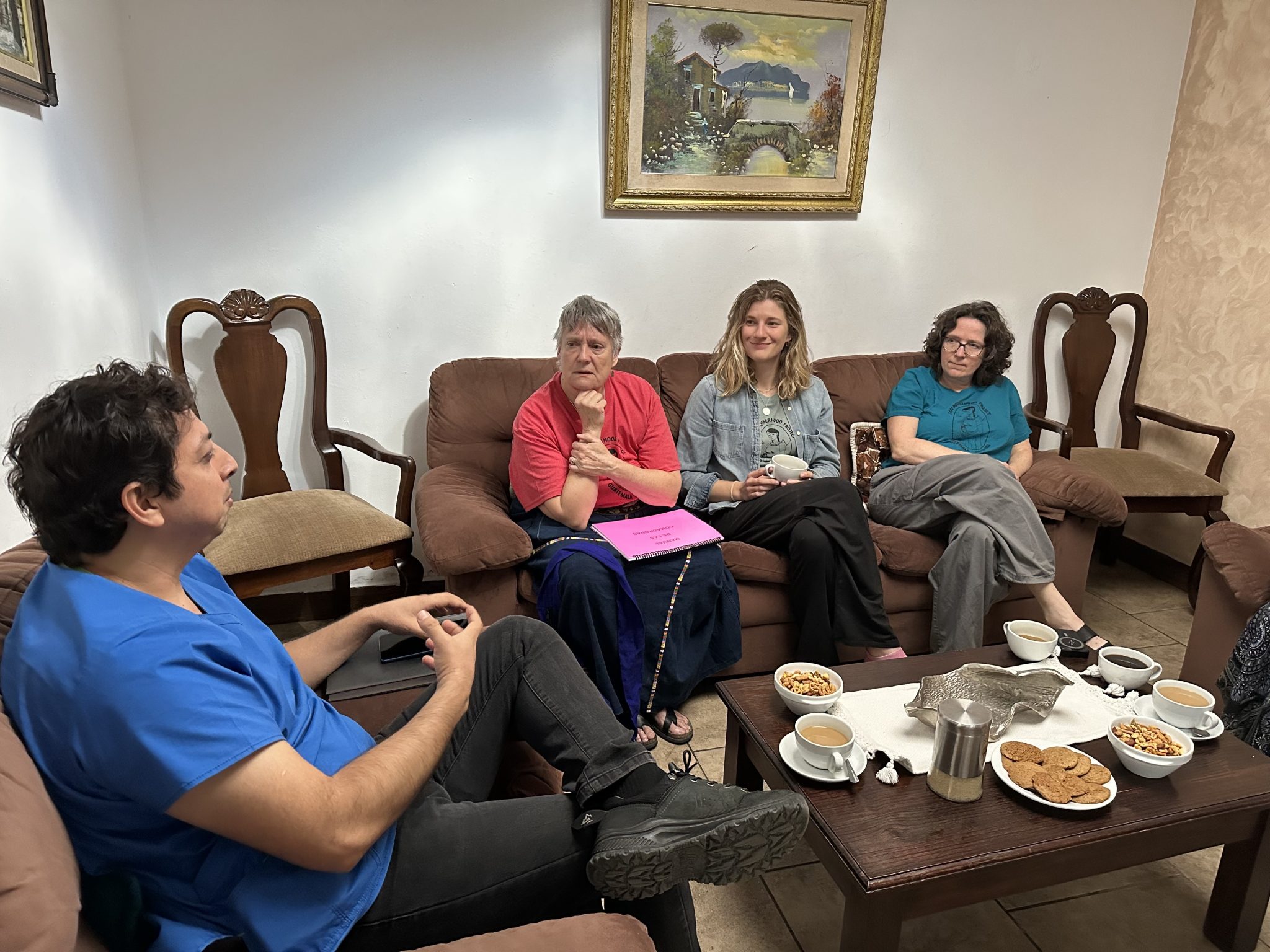
We had a meeting with a physician and public health nurse from the Department of Suchítepequez, where we have been invited to teach comadronas in San Juan, Suchítepequez next year. We also have an opportunity to teach in the far north of the country in El Remate, Peten.
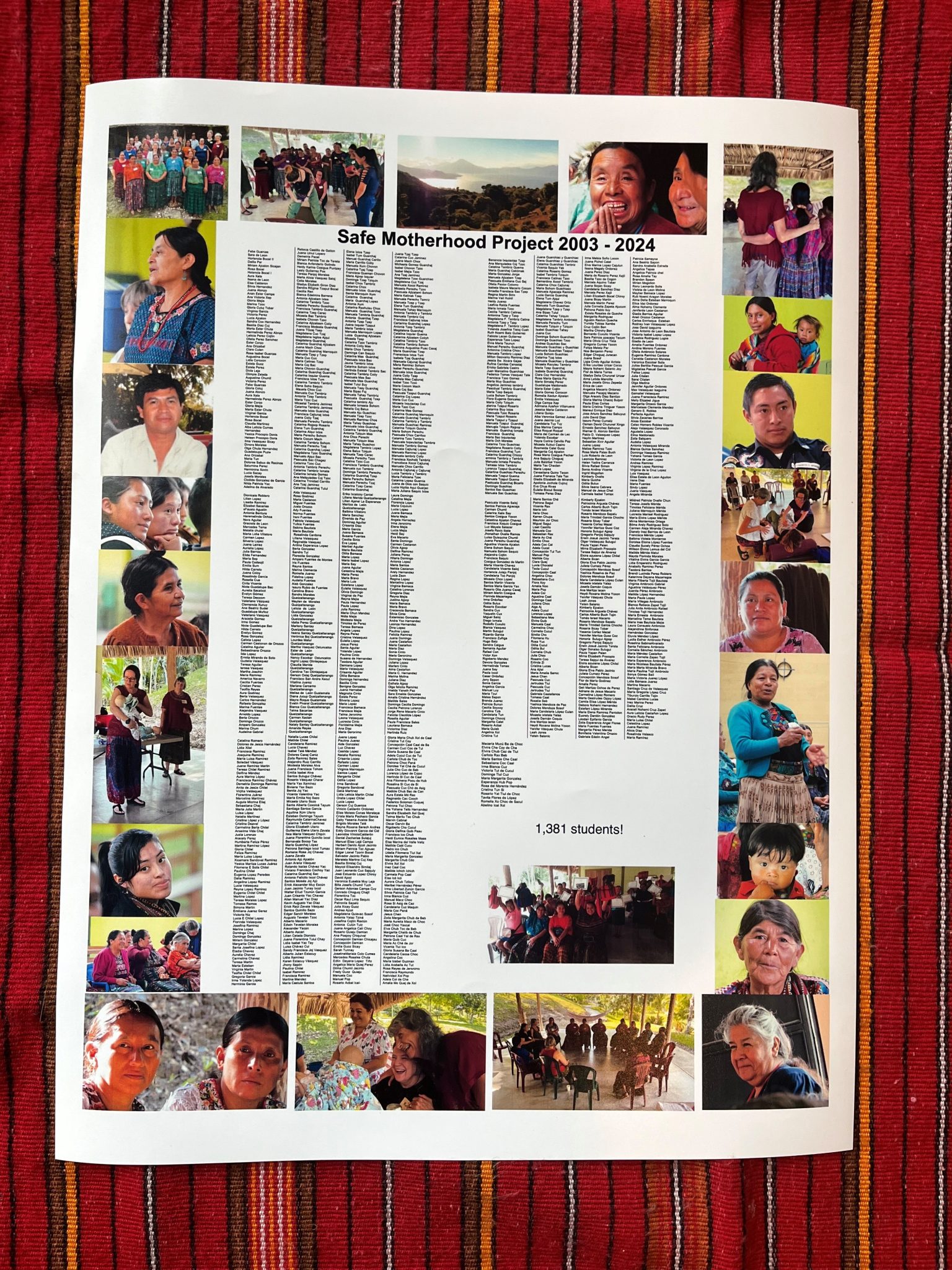
This poster was made by Annette’s husband featuring the name of every student we taught 2003-2024.
The possibilities seem endless and we continue moving forward. With this year’s class we have taught 1,401 students to date. It is thanks to the support of our financial donors like you, that we have been able to keep this wonderful project going for so long.