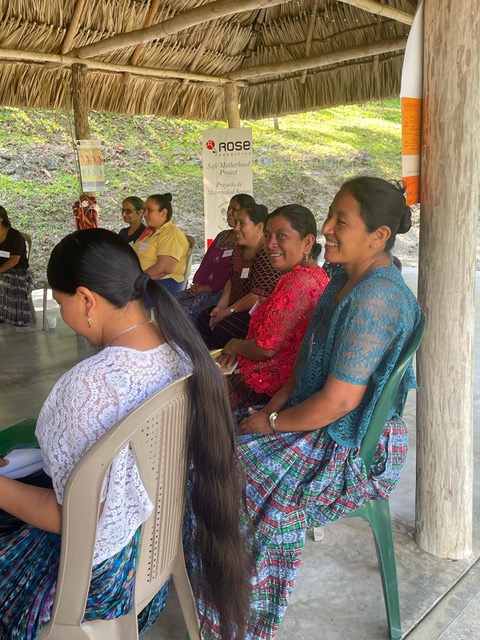
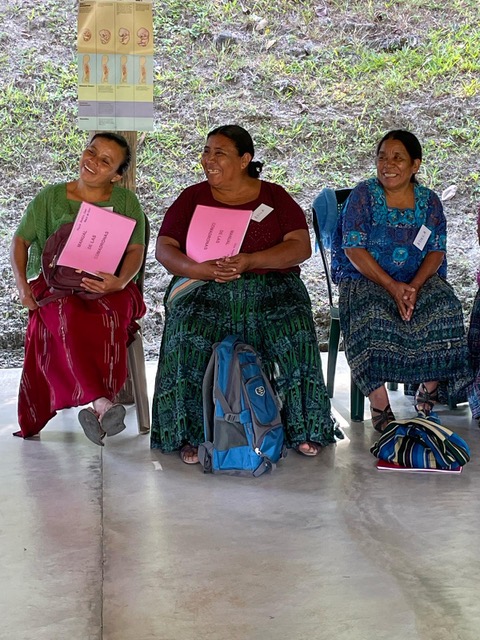
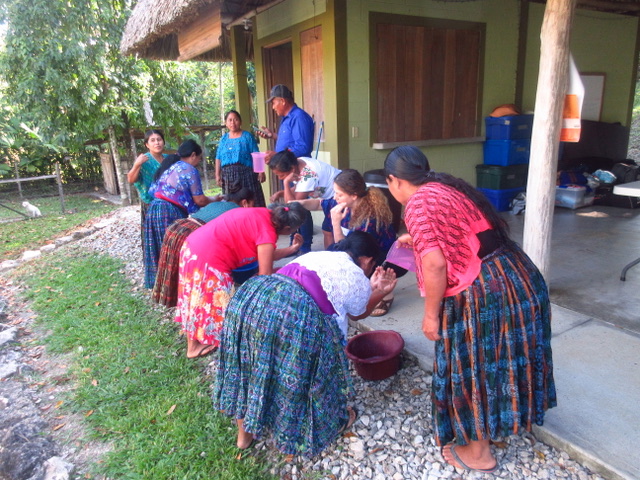
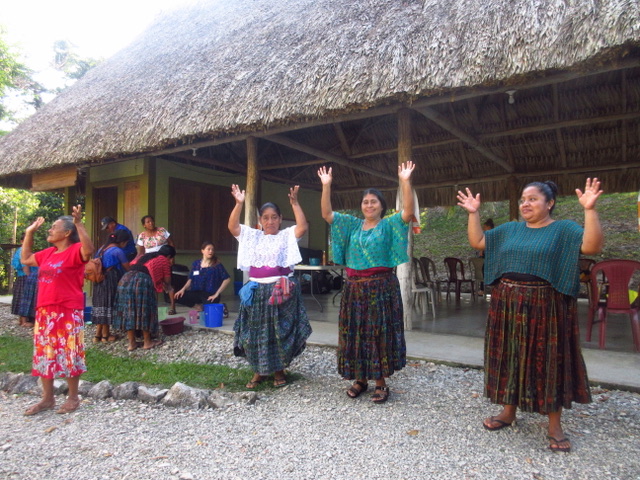
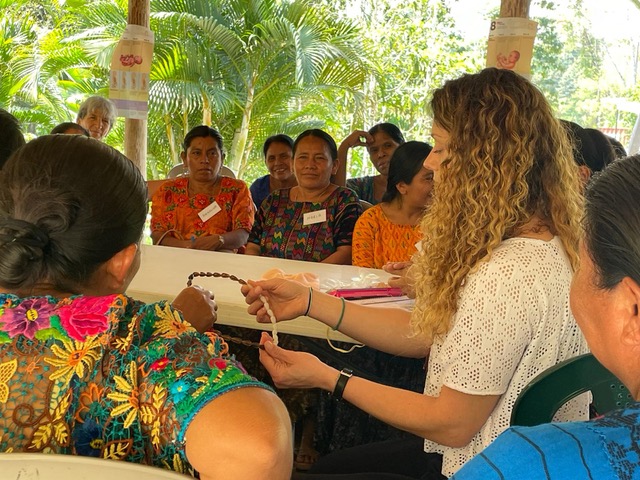
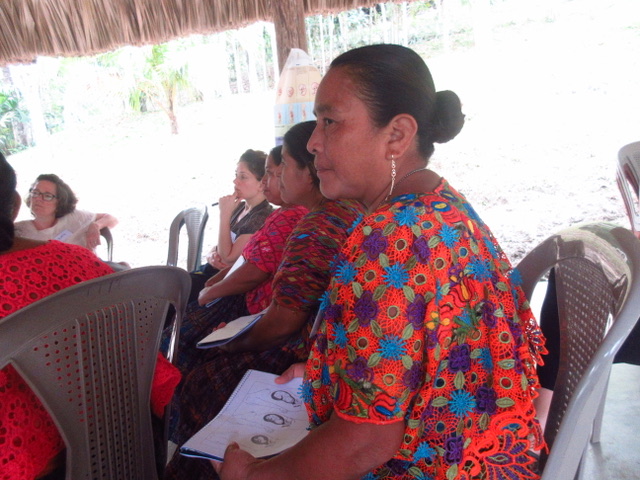
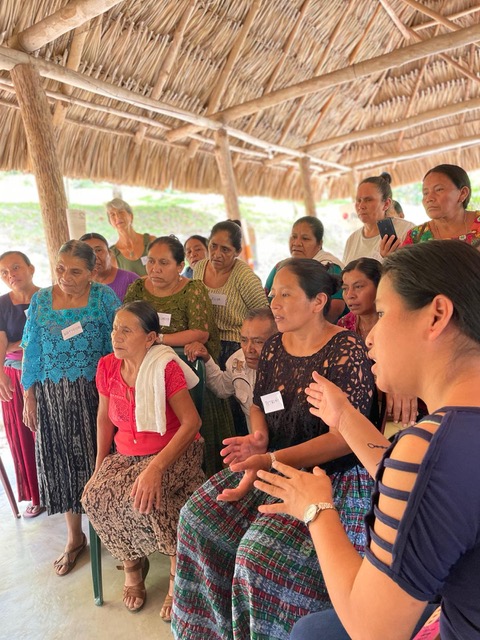
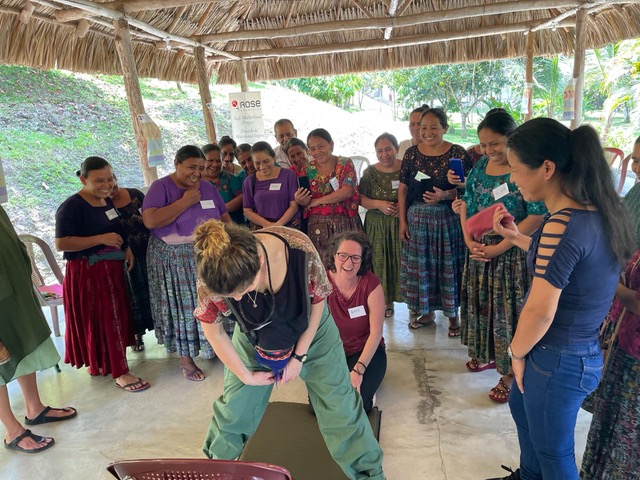
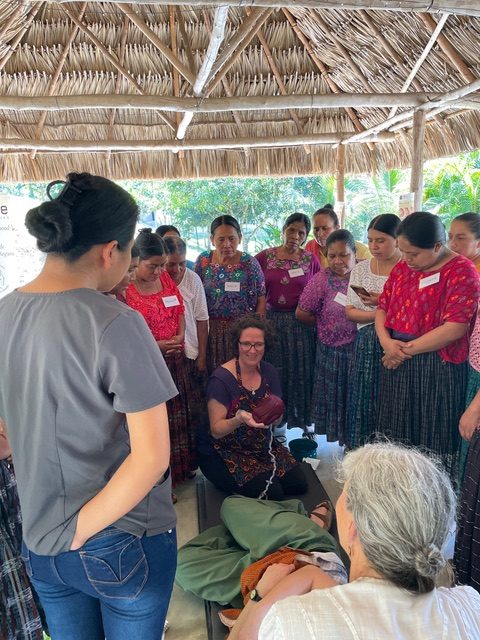
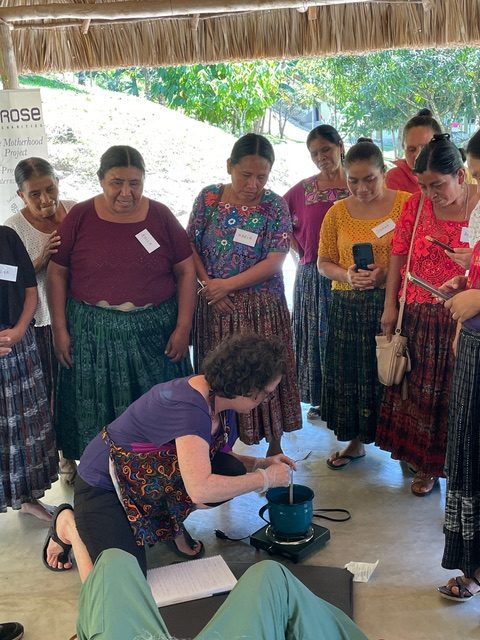
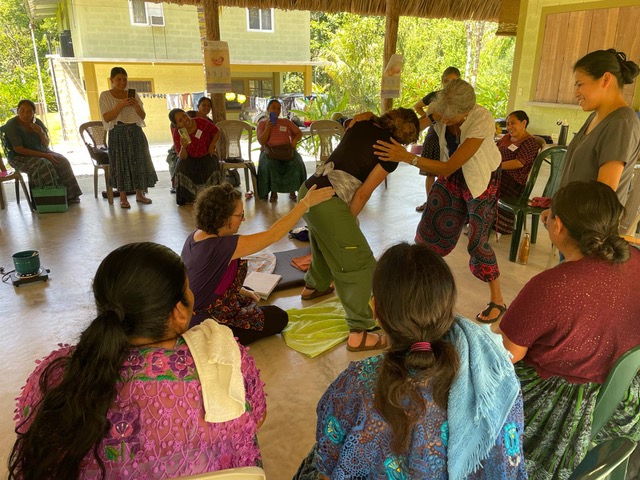
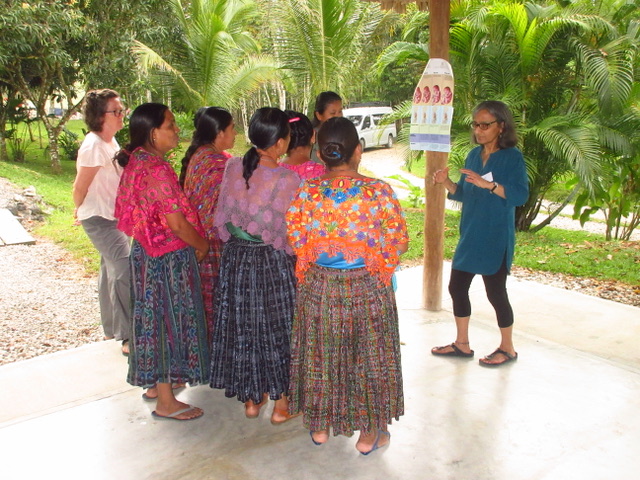
We had another amazing trip to Guatemala in March 2024, teaching traditional midwives (comadronas) important new skills in prenatal, birthing, and postnatal care. Once again, we spent our time in Chisec in the lowlands, 6 hours north of Guatemala City. Karren and Rocky Chupa, the founders of Compelling Love Ministries, hosted us, providing excellent facilities for sleeping, eating and teaching our course.
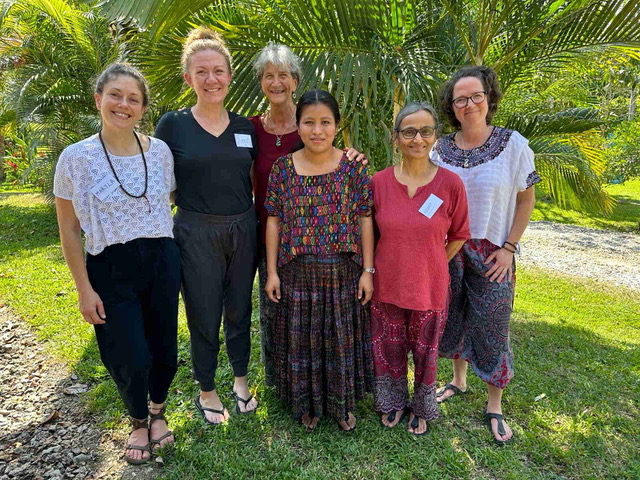
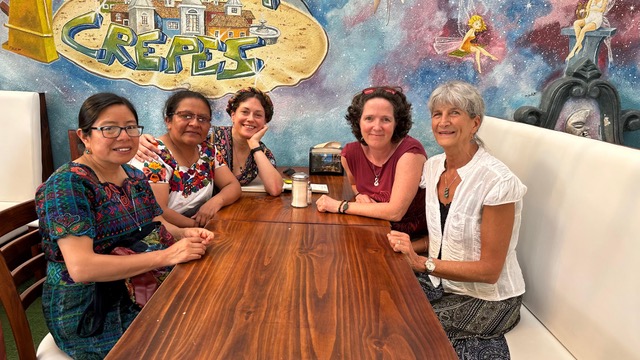
This year our team was composed of Dr. Naseem Janmohamed, Birte Paschen and Maryla Cross, both of whom are registered midwives, Hannah Beeke and Annette Borkent, both Obstetrical RNs. Maryla is currently doing her Masters on Global Maternal Health and is keen to study the impact of our project! We appreciated her valuable comments and input to help us fine-tune our approach and improve our course. We had many productive conversations as a team throughout our time together.
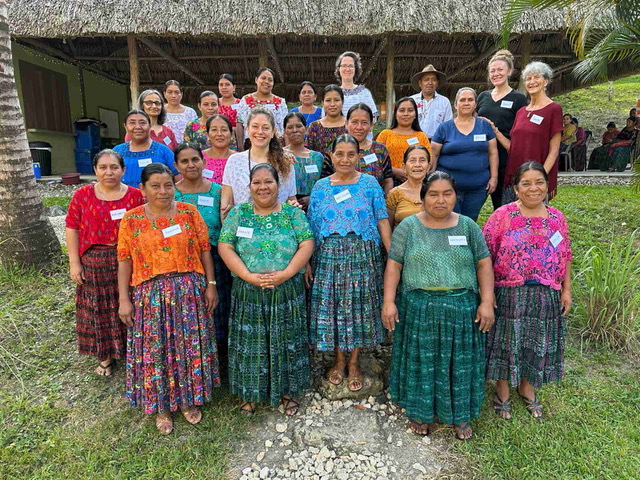
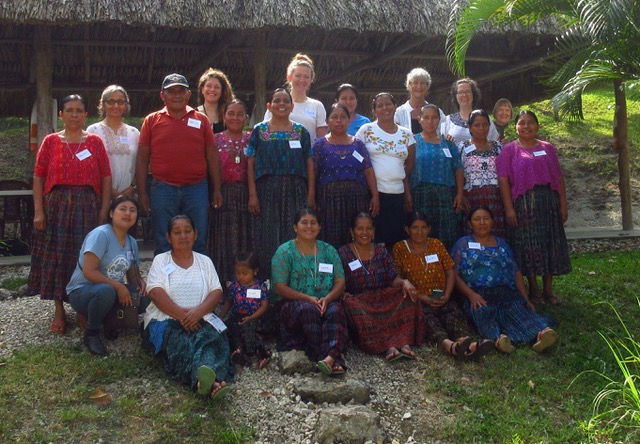
During our 2 weeks, we trained 39 comadronas. Aura, a RN running a nutrition centre and prenatal clinic in Chisec, was an amazing gift for our team as she helped us teach and translated everything from Spanish to Q’eqchi, the Mayan language of the comadronas of this area (for many Spanish is their second language). This was especially important as it was the first time in the history of our project that none of the teammates spoke Spanish as our first language. We also had the privilege of having Gloria, a professional Guatemalan Midwife, join us for 1.5 days to observe our course in action and then help us teach some topics in Q’eqchi as well. We hope to have her join our team.
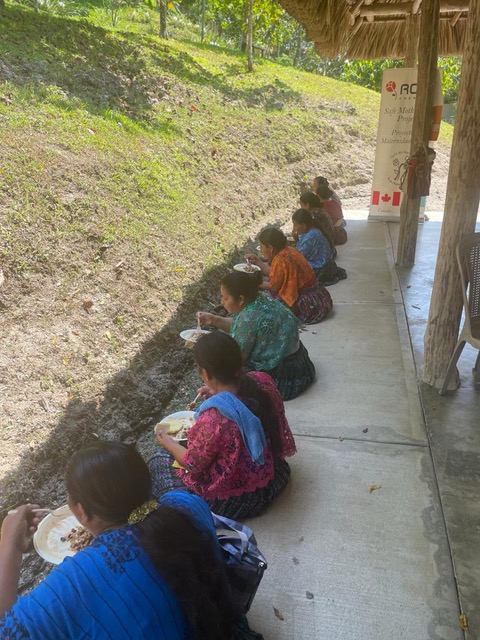
Karren provided a snack and lunch for all participants and Rocky provided transportation from a central location in Chisec to and from the course for the comadronas. They also provided some housing for the students who had come from a long distance away, so they didn’t have to travel back and forth every day. The municipality kindly provided breakfast and supper for these women.
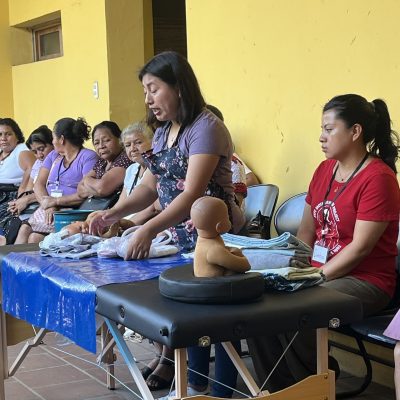
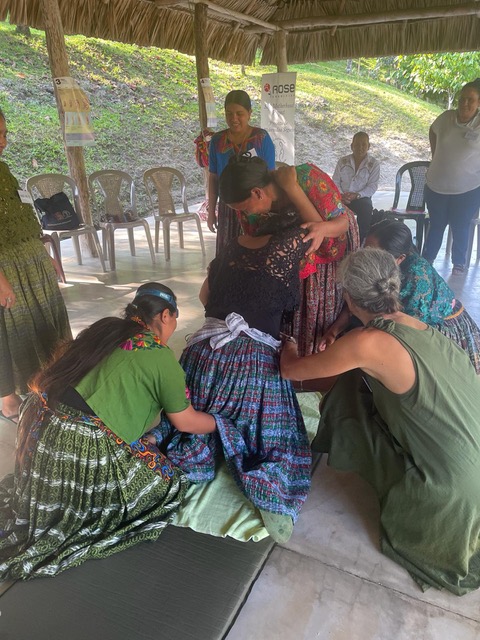
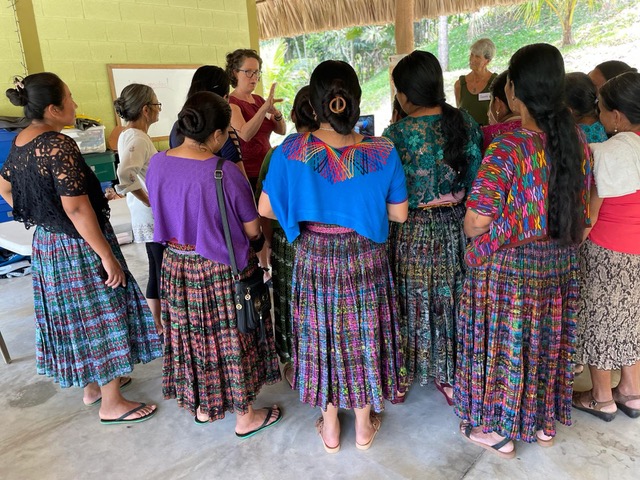
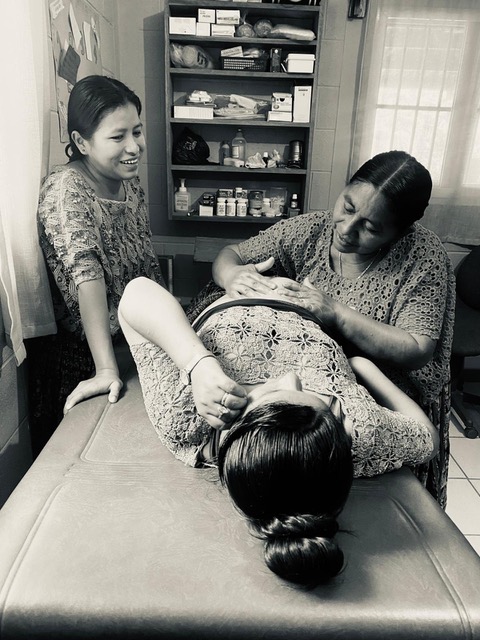
The courses were, once again, very well received and during our final talking circles (at the end of each week-long course) we heard from many how valuable the training was, that the “hands-on” format was vital, and how they felt so grateful for this opportunity. Many are illiterate and have not had the previous opportunity for any formal education. Even the comadronas with up to 35 years of experience said they had learned new skills, and that this was the first time they had a course where they were shown, and then practised the skills. It was obvious that all the students understood the various topics and were able to demonstrate their newly learned skills. We heard stories from previous students who, for example, had saved the lives of babies that required resuscitation at birth and mothers who were haemorrhaging and responded well to the specific massage that was taught. The day after we taught the technique to help birth a baby with the umbilical cord wrapped tightly around the baby’s neck, we heard one of our students share how she used the technique with great success during that night!
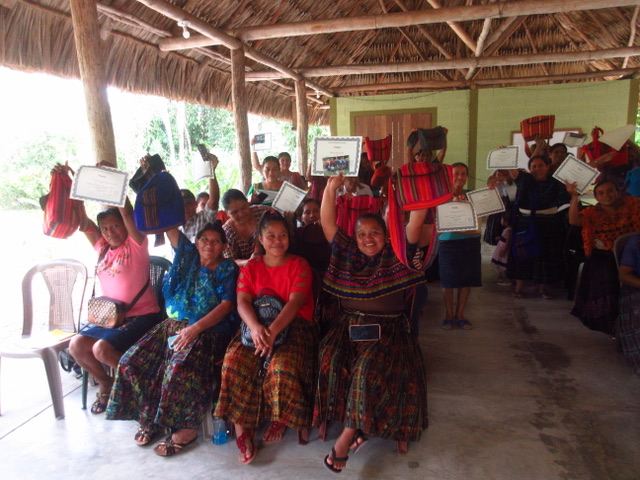
We held a “live clinic” where each of our students had the opportunity to check the position of the baby in pregnant women who had volunteered to be examined by the students (each volunteer received some prenatal vitamins and also a packet of baby clothes wrapped in a receiving blanket, made or obtained and donated by local Canadian women). We had a wonderful graduation ceremony to celebrate the students completing each course and each student received their diploma, a 50-page illustrated manual, a photo of their graduating class, as well as a kit of supplies to help them during their next number of births.
In communities where we have taught, the comadronas and the Public Health Unit personnel have been giving resounding approval of the courses. The comadronas feel much more confident in their assessments of pregnant women, prenatally and during birth. The health personnel are seeing the comadronas refer many more mothers to them when they determine that there are risk factors that need to be addressed. This important step saves many lives, of mothers and babies.
In addition, we see throughout each week a rise in the self-esteem of many of the women, some of whom have not had any previous education and no official recognition of the value of their important role in their communities. Many have experienced racism and gender inequality and this course provides a small but important contribution to their empowerment.
As we completed our 22nd year of this project, we have now taught 1,385 people!